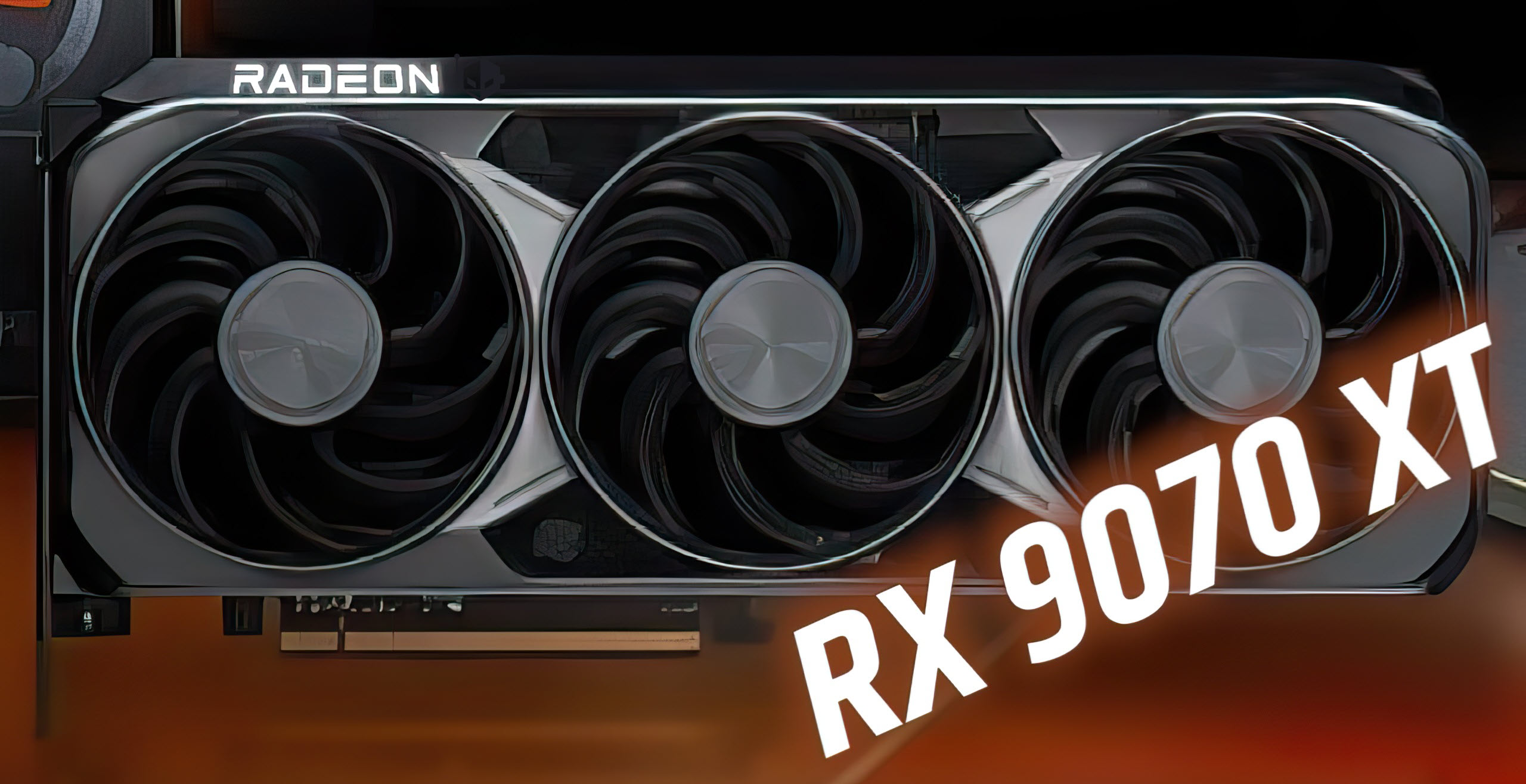
Excitement is brewing in the tech world as rumors suggest AMD is preparing to unveil its highly anticipated RX 9070 series GPUs by the end of February. This news has enthusiasts and gamers eagerly awaiting what Team Red has in store, as these new graphics cards are set to become fierce competitors in the mid-range market.
AMD’s journey to the RDNA 4 GPU launch has been filled with speculation and shifting timelines. While initial whispers suggested a January release, it seems AMD decided to push the launch to March to ensure the software support for the RDNA 4 SKUs is optimal. Sources indicate that a formal unveiling is expected towards the end of February, although the exact date remains under wraps.
If all goes as planned, AMD will host a dedicated press conference to showcase the Radeon RX 9000 series based on the RDNA 4 architecture. This event will not only spotlight the RX 9070 series but also introduce new X3D CPUs, adding another layer of excitement to the lineup. This will mark AMD’s first major hardware launch in March, a strategic move intended to respond adeptly to NVIDIA’s advancements with its RTX Blackwell SKUs.
The spotlight will likely be on two graphics cards from this series: the Radeon RX 9070 XT and the Radeon RX 9070. These powerful GPUs are expected to feature up to 16 GB of video memory. The RX 9070 XT aims to rival the RTX 4070 Ti, while the RX 9070 will go head-to-head with the RTX 4070. This indicates AMD’s deliberate focus on capturing the mainstream GPU market, with no immediate plans to challenge NVIDIA’s high-end GeForce RTX 5090.
For consumers, the anticipation builds as they look forward to AMD’s offerings. Initial leaks suggest these GPUs will significantly benefit mid-range buyers, promising an impressive release that could shake up the competition. While patience is required, the wait seems to be promising an exciting leap in gaming and graphic performance for those in the mid-range category.