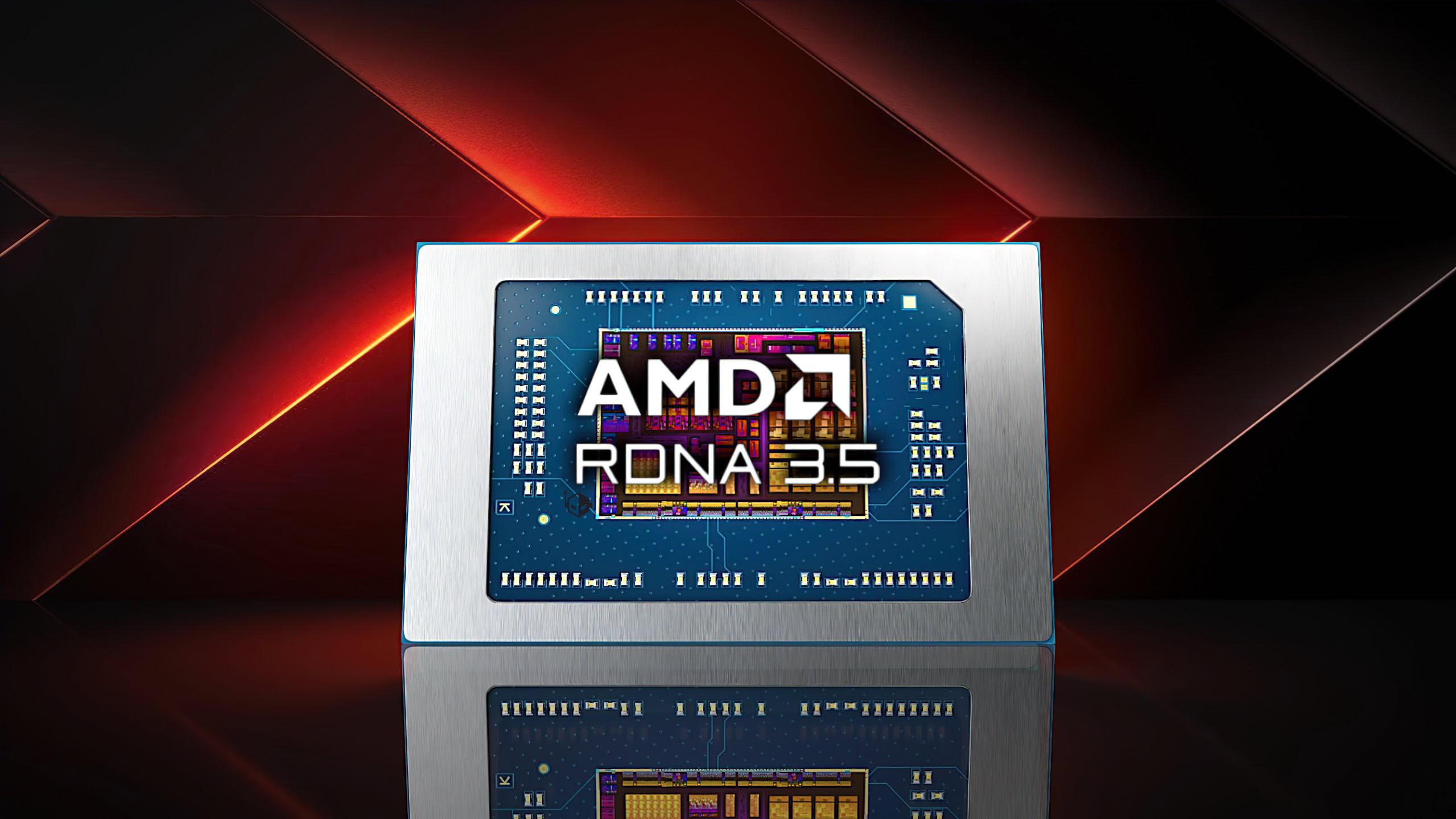
Exciting news from the realm of AMD reveals a fascinating twist in the trajectory of their upcoming technology. AMD is set to leapfrog its RDNA 4 architecture for the next-gen APUs, opting instead for RDNA 3.5. This strategic move whispers hints about the future of their tech approach.
Recent discoveries from AMD’s GPUOpen Drivers highlight that RDNA 4, designated by Device ID “GfxIp12,” will be solely for discrete GPUs, specifically the anticipated RX 9000 series. This revelation means that fans awaiting the Medusa Point mobile APUs, which are prepared to embrace the robust Zen 6 architecture, will not see the new RDNA 4 architecture integrated into its DNA.
The Medusa Point will follow on from the powerful Strix Point/Krackan Point family, relying on the familiar strengths of RDNA 3.5. While some enthusiasts may feel a pang of disappointment at RDNA 4’s absence in integrated graphics, it’s worth noting that RDNA 3.5, through Zen 5’s lineup including Strix Halo, has delivered exceptional iGPU performance on mobile platforms already.
Hints of the future come into clearer view with AMD’s nod towards the UDNA (Unified DNA) architecture. Announced last year, this promises to be a groundbreaking leap and is designed to rival NVIDIA’s CUDA powerhouse in the tech universe. Although its deployment is still a generation away, expectations build that it will surface as a robust successor to the Strix Halo.
The choice to hold off RDNA 4 for Medusa Point APUs does mean missing out on the FSR 4 (FidelityFX Super Resolution 4) for now, though AMD’s strategic pacing hints at broader visions. Medusa Point, expected to make its debut next year, aims to offer stellar performance for high-powered mobile computing, squarely targeting the same class trail blazed by Strix Halo.
While complete details on AMD’s Zen 6 architecture remain elusive, the tech community buzzes with anticipation, readying to welcome another chapter in AMD’s dynamic evolution.