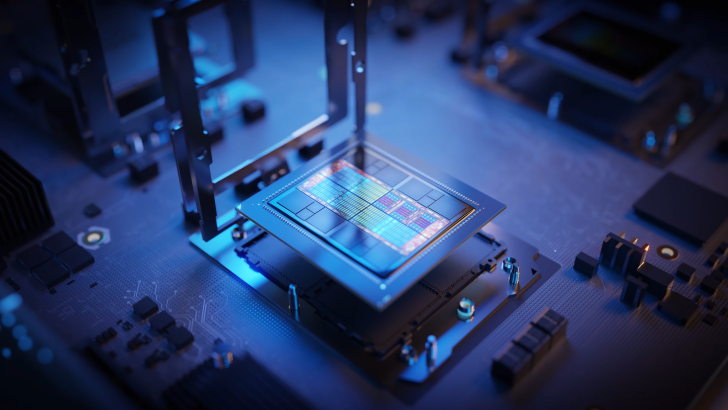
AMD is gearing up to make a significant shift in its chip production strategy, with plans to move part of its high-performance chip manufacturing to TSMC’s new facility in Arizona by 2025. Traditionally relying on Taiwan for its chip production needs, AMD’s latest decision marks a momentous shift closer to home.
Historically, AMD has leveraged TSMC’s highly advanced process nodes for its powerful silicon lineup, including the Radeon RX 7000 series crafted on the RDNA 3 architecture and the cutting-edge Zen 4 and Zen 5 processors. However, the imminent relocation of some production to U.S. soil could invigorate the domestic semiconductor landscape.
TSMC, a global leader in chip manufacturing, embarked on establishing its fabrication facility in Arizona in 2021. Though this facility is still in its early stages of development, it appears poised to welcome AMD as one of its pioneering clientele. According to insider reports, AMD’s high-performance chips will take advantage of the sophisticated 5nm process node—specifically the N4 variant—laying the groundwork for what promises to be a technological marvel.
Chatter around this strategic move is somewhat hush-hush, with both AMD and TSMC keeping tight-lipped about specifics. Nonetheless, the U.S. is seemingly on course to develop a comprehensive AI hardware supply chain, building on victories such as Apple’s A16 chipset’s production in Arizona.
The spotlight is also on Amkor’s recent collaboration with TSMC in advanced packaging technology within the Arizona hub. This partnership underscores a commitment to cutting-edge packaging, featuring innovations like Integrated Fan-Out (InFO) and Chip Wafer on Substrate (CoWoS), designed to enhance chip performance and efficiency.
The InFO technology is tailored for closely packed, cost-effective solutions—a boon for mobile devices like those from Apple. Meanwhile, CoWoS, though more costly, is indispensable for high-performance chips, promising to significantly boost memory connectivity for leaders like AMD and NVIDIA.
As we inch closer to AMD’s U.S.-centric production era, this move doesn’t just signify a manufacturing shift but heralds a new chapter in the quest for technological advancement and supply chain resilience.