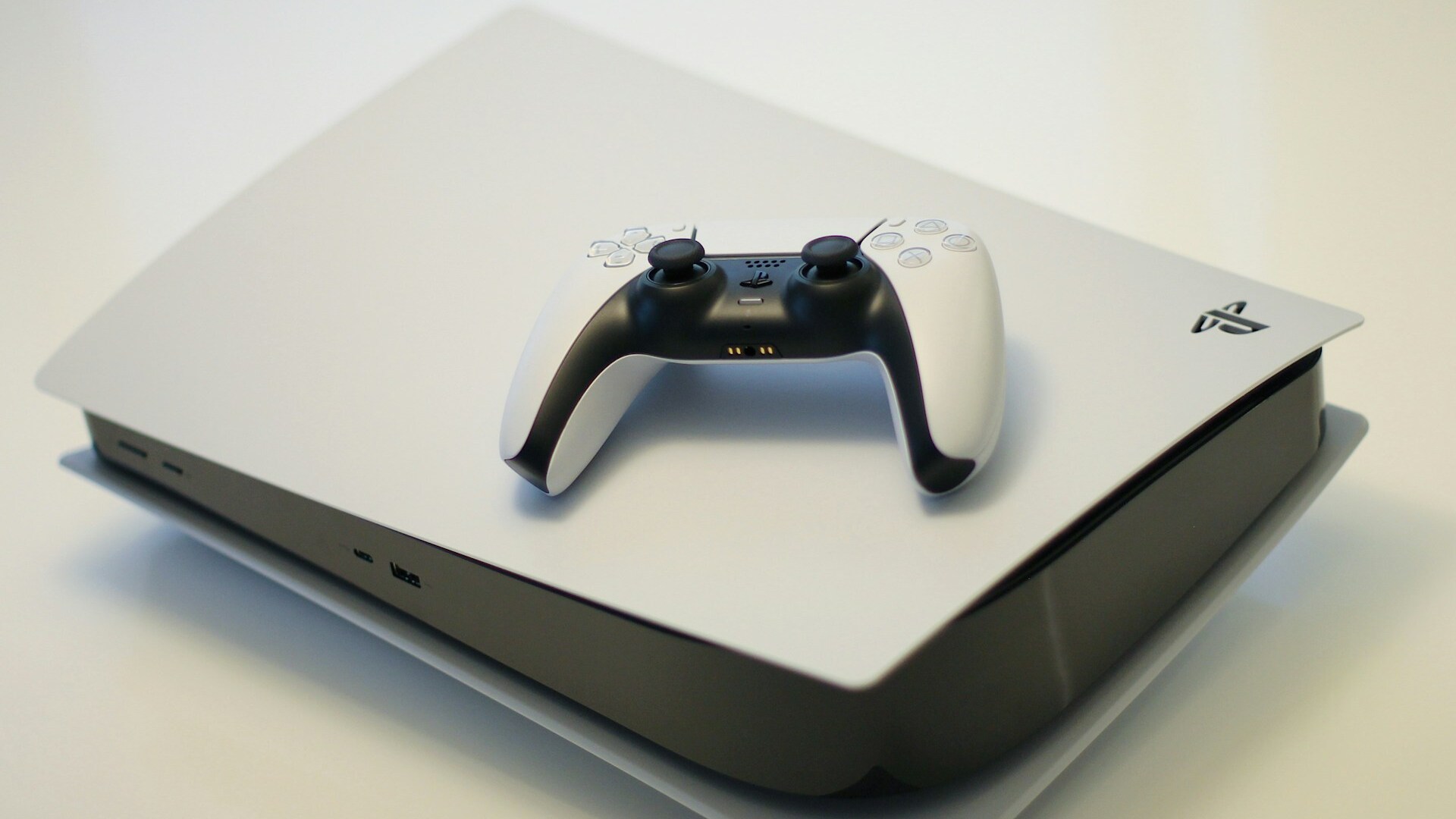
PS5 Surpasses 100 Million Shipments as Sony Enters a New Phase of the Console Cycle
Sony’s PlayStation 5 has officially passed a major milestone, with the company’s business data showing more than 100 million PS5 consoles shipped as of November 10, 2026. This figure refers to sell-in shipments, meaning units sent to retailers rather than consoles sold directly to players. It also includes returned and refurbished units.
Even with that distinction, the achievement places the PS5 among Sony’s most successful gaming systems. It becomes the fourth PlayStation console to cross 100 million shipments, joining the original PlayStation, which exceeded 102.4 million units, the PlayStation 2, which surpassed 160 million, and the PlayStation 4, which cleared 117 million.
The PS5 reached the milestone nearly six years after its November 2020 launch. That makes it slightly slower than some of its legendary predecessors. The PS4 reached 100 million in around five years and seven months, while the PS2 achieved the mark in roughly five years and nine months. As a result, the PS5 is now the third-fastest PlayStation console to reach 100 million shipments.
The final push appears to have happened quickly. Sony’s quarterly shipment totals placed the PS5 at around 97.9 million units by the end of September 2026. That means approximately 2.1 million more consoles were shipped in the following six weeks before November 10.
A likely driver behind that late surge is the buildup to Grand Theft Auto VI, which launches on November 19 for PS5 and Xbox Series X|S. Market estimates suggest that PlayStation 5 accounts for the overwhelming majority of the game’s digital pre-orders, giving Sony’s console a strong boost heading into one of the biggest game releases of the generation.
However, the 100 million figure does not tell the full story. Before the recent demand spike, PS5 hardware shipments had been slowing.
Sony shipped 2.6 million PS5 units during the July to September quarter. That was an improvement over the 1.6 million units shipped from April to June, but still well below the 4 million units shipped during the same quarter the previous year. The April to June period was also weaker than the year before, when Sony shipped 2.5 million consoles.
One of the biggest factors affecting demand is price. Sony announced another PS5 price increase on March 27, with the new pricing taking effect on April 2. The company cited ongoing pressure from global economic conditions.
In the United States, the standard PS5 with a disc drive now costs $649.99. The PS5 Digital Edition is priced at $599.99, while the PS5 Pro has risen to $899.99. For comparison, the original PS5 launched in 2020 at $499.99, and the PS5 Pro arrived in 2024 at $699.99.
The increase comes during a broader shortage of memory and storage components across the technology industry. Sony has linked part of the pressure to rising demand from AI data centers. During the PS5’s early years, the main problem was limited supply, with many players struggling to find consoles at retail. Now, the challenge has shifted from availability to affordability.
That shift has already affected sales momentum. Industry tracking data showed that U.S. PlayStation console sales dropped 30% year over year in April, the first month after the latest price increases took effect.
Still, Sony does not appear to be treating the slowdown as a crisis. Sony Group CEO Hiroki Totoki said in August that, with the PS5 now in the second half of its life cycle, the company does not need to push console sales as aggressively as before. Instead, Sony is focusing more on recurring revenue from its existing user base, including game sales, subscriptions, digital purchases and live-service spending.
Sony has also faced criticism for its plan to stop producing physical discs for new PlayStation games starting in January 2028. Games released on disc before that date will not be affected, but the decision has raised concerns among collectors and players who prefer physical ownership.
AMD also joined the celebration of the PS5’s 100 million milestone. Jack Huynh, senior vice president and general manager of AMD’s Computing and Graphics Group, shared a celebratory moment with Hideaki Nishino, president and CEO of Sony Interactive Entertainment.
In the shared image description, Huynh is shown holding a PS5 Pro signed by Nishino, AMD CEO Lisa Su and himself. Nishino is holding a special PS5 Pro created to mark the milestone.
Huynh praised the achievement, calling it especially meaningful as a lifelong gamer. He described gaming as something that connects generations, brings family and friends together, and creates lasting memories. He also congratulated Nishino and the PlayStation team while highlighting the partnership between AMD and Sony.
AMD plays a central role in the PS5 family, supplying the custom processors used in both the PS5 and PS5 Pro. That collaboration is expected to continue into future PlayStation hardware.
In 2025, Huynh and PlayStation lead system architect Mark Cerny discussed technologies being developed through their Project Amethyst partnership. These included Radiance Cores for ray tracing and path tracing, Neural Arrays, and Universal Compression. Cerny said the technologies were intended for a future console, though Sony has not officially announced the PlayStation 6.
For now, the PS5’s 100 million shipment milestone confirms its place among the most successful gaming consoles ever made. Its journey has not been simple, with supply shortages, price hikes and changing market conditions shaping its life cycle. Even so, strong software demand, a massive player base and Sony’s ongoing hardware partnerships suggest that the PlayStation 5 still has an important role to play before the next generation arrives.