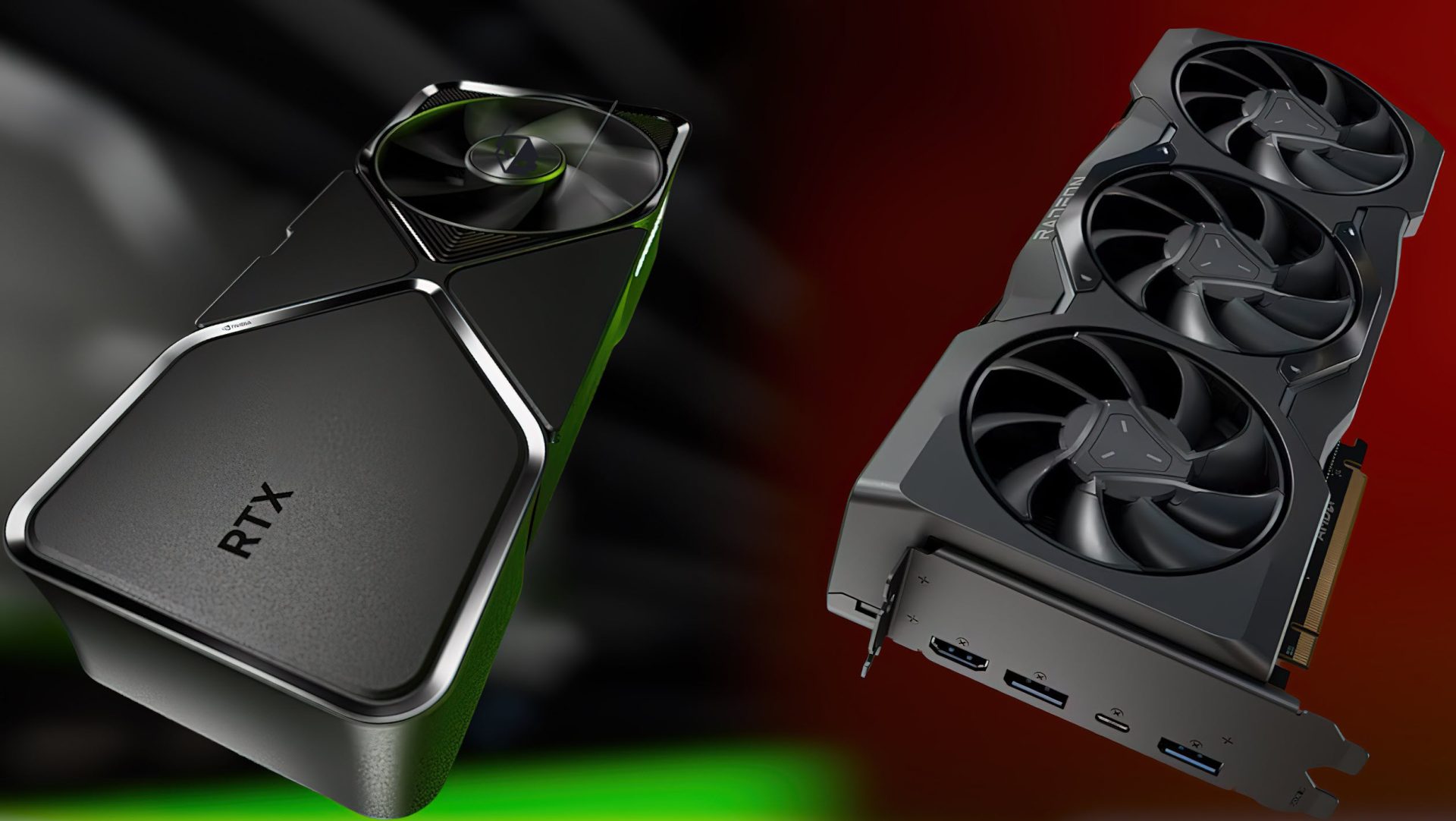
AMD and NVIDIA Next-Gen GPUs May Not Arrive Until 2028, With One RDNA 5 Card Rumored for 2027
The next big graphics card upgrade cycle may be farther away than many PC gamers expected. According to recent claims from a well-known hardware leaker, both AMD and NVIDIA could hold back their next-generation GPU families until 2028, leaving 2027 with only a limited release rather than a full wave of new graphics cards.
The rumor suggests that AMD may launch just one RDNA 5-based GPU in 2027, while the broader next-gen lineup could arrive later. NVIDIA, meanwhile, is also said to be targeting 2028 for its RTX 60 series, despite earlier speculation that the company might be preparing a 2027 debut.
As always, these details should be treated as unofficial. The information is based on leaks, industry chatter, and claims from insiders rather than confirmed announcements from AMD or NVIDIA. Still, the latest reports line up with what many in the PC hardware community have been noticing: the GPU market is in a complicated place, and launching an entirely new generation may not be as simple as it once was.
One AMD RDNA 5 GPU could launch in 2027
While AMD’s full RDNA 5 graphics card family may not arrive next year, one chip is reportedly still on track for a 2027 launch. The GPU in question is referred to as AT2, and it is believed to be a mid-range RDNA 5 die.
According to the leak, AT2 may feature 40 Compute Units, with each Shader Engine carrying 5 Compute Units. If accurate, this would place the chip well above entry-level territory and potentially make it one of AMD’s most important releases before the full RDNA 5 lineup lands.
The rumored RDNA 5 family is expected to cover several performance classes. The flagship-tier configuration could reportedly offer up to 96 Compute Units and as many as 12,288 cores, paired with a wide 384-bit to 512-bit memory bus and 24 GB to 32 GB of VRAM. A mid-tier model may include up to 40 Compute Units and 5,120 cores, with a 192-bit to 384-bit memory bus and 12 GB to 24 GB of VRAM. Lower-tier versions could feature 24 Compute Units or 12 Compute Units, with memory capacities ranging from 8 GB to 16 GB.
If these specifications are close to reality, AMD may be preparing a much broader attack on the GPU market than it did with RDNA 4. The current RDNA 4 lineup does not directly challenge the absolute high-end segment, with AMD’s strongest card competing more closely against NVIDIA’s upper-midrange offerings rather than its most powerful models.
That could change with RDNA 5. The rumored AT2 GPU is said to be positioned strongly enough to challenge high-end Blackwell-based graphics cards such as the GeForce RTX 5080. If AMD manages to release AT2 in 2027 while NVIDIA waits until 2028 for its next generation, AMD could briefly gain an important timing advantage in the enthusiast market.
NVIDIA RTX 60 series may also shift to 2028
The same leak claims that NVIDIA’s RTX 60 series is not expected to launch in 2027. This contradicts earlier rumors suggesting the company was preparing for a faster transition after the RTX 50 series.
NVIDIA’s next-generation GPU family is widely expected to follow Blackwell and may be tied to the company’s future Rubin architecture. If the latest claims are accurate, NVIDIA may choose to extend the life of its current RTX 50 lineup rather than rush out a successor.
One major factor could be memory supply. The graphics card market has been affected by rising memory costs and tighter availability, especially as demand for advanced memory products grows across gaming, AI, and data center markets. This has already contributed to higher GPU prices, and it may be influencing launch schedules for both AMD and NVIDIA.
There have also been claims that NVIDIA reconsidered or canceled plans for an RTX 50 SUPER refresh. That refresh was expected to use 3 GB GDDR7 memory chips, allowing higher VRAM capacities on updated Blackwell graphics cards. However, if memory pricing and supply remain unfavorable, NVIDIA may decide that a refresh is not worth the added complexity and instead move directly toward its next major architecture later.
Why a 2028 GPU launch window makes sense
A delay into 2028 may frustrate gamers, but it would not be surprising given the current state of the PC hardware market. GPU development cycles have become more expensive, memory technologies are becoming more complex, and consumer pricing remains a sensitive issue.
Launching a new generation too soon can also create problems for existing inventory. If AMD and NVIDIA still have current-generation cards to sell, introducing next-gen models early could pressure prices and reduce margins. Waiting until 2028 gives both companies more time to prepare, manage supply chains, and position their next products more carefully.
For gamers, however, the situation is less exciting. Many users have been waiting for a meaningful jump in performance, better ray tracing, improved power efficiency, and more VRAM at reasonable prices. If next-generation GPUs are pushed to 2028, that wait could stretch much longer than expected.
This also means current graphics cards may remain relevant for an extended period. Owners of recent GPUs may feel less pressure to upgrade, while gamers using older cards may need to decide whether to buy now or wait another year or more.
GPU prices may stay high for longer
One of the biggest concerns is pricing. The GPU market has not fully returned to the more predictable patterns many gamers hoped for. Memory shortages and strong demand from AI-related industries have placed pressure on component supply, making it harder for graphics card prices to fall.
If there is no major new generation in 2027, price competition may remain limited. A single AMD RDNA 5 GPU could shake things up in one performance category, but it may not be enough to reset the entire market. Without a full lineup from AMD and NVIDIA, consumers may continue to face elevated prices across many segments.
That could lead many PC gamers to hold onto their existing graphics cards for longer. Enthusiasts who typically upgrade every generation may decide to wait until the 2028 products arrive. Budget-focused buyers may look for discounts on current-generation cards, used GPUs, or mid-range models that offer the best value.
What this means for PC gamers
If the rumors are accurate, 2027 may be a quieter year for graphics card launches than expected. AMD could still introduce one important RDNA 5 GPU, but the full next-generation battle between AMD and NVIDIA may not begin until 2028.
For now, anyone planning a GPU upgrade should avoid making decisions based only on leaks. AMD and NVIDIA have not officially confirmed their next-gen launch timelines, and plans can change depending on market conditions, supply chains, and competitive pressure.
Still, the message is clear: the next major graphics card generation may take longer to arrive. With GPU prices still under pressure and memory supply remaining a challenge, the PC gaming market could be entering a longer holding period before the next big performance leap.