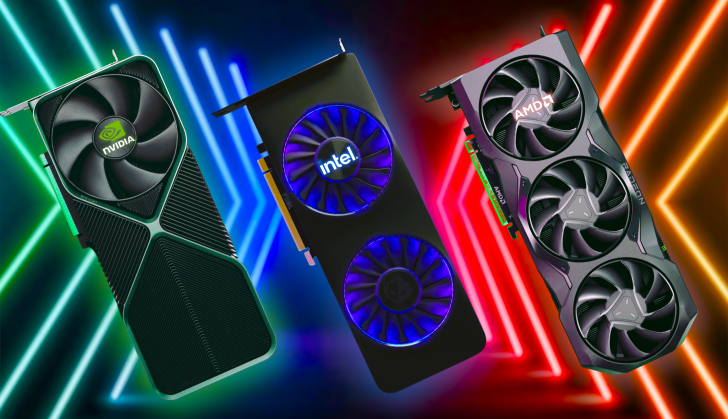
In a remarkable shift in the GPU landscape, AMD has seen an impressive surge in market share, doubling their presence compared to the previous year and reaching almost 15%. This is the highest market share AMD has captured in the last 12 months, fueled by a sharp increase in demand for their Radeon GPUs. Meanwhile, Intel has also crossed a milestone, garnishing over 1% of the GPU market share for the first time, as both companies capitalize on NVIDIA’s current market challenges.
The Korean DIY market has experienced a staggering rise in sales, particularly for AMD’s Radeon RX 7700 XT, which has seen a tenfold increase since early 2024, jumping to a 10.26% market share as of January 2025. The RX 7600 is also showing impressive numbers, capturing a 35.16% share within AMD’s graphics cards sector. These achievements highlight AMD’s strong footing as we kick off 2025.
This surge is not primarily due to a revolutionary leap in AMD’s hardware but rather because of the scarce availability of NVIDIA’s RTX GPUs in the market. Shoppers browsing through major online retailers have noted the significant shortage of NVIDIA’s high-end RTX 40 and 50 series, especially the premium 70-class cards. In contrast, AMD maintains a decent supply of their RX 7000 and some RX 6000 series graphics cards, which has allowed them to take advantage of NVIDIA’s supply struggles.
In January 2025, the Korean DIY market recorded an AMD market share of 14.65%, nearly doubling from what it was in February 2024. This upward trend is on a steady incline, showcasing AMD’s ability to quicken its market hold, even reaching a 20.8% market share in early February. According to Danawa Research, this is an unprecedented peak in their statistical records.
While Intel’s overall GPU market share may seem modest at 1.2%, it’s noteworthy progress from their 0.09% position at the beginning of 2024. These advances have collectively chipped away at NVIDIA’s dominance, reducing their market share from over 90% to 84.16%.
The duration of this trend remains uncertain, hinging on NVIDIA’s capacity to meet the burgeoning demand for its latest RTX 50 series GPUs. If NVIDIA resolves its supply issues, it could rapidly change the dynamics once more. For now, AMD and Intel continue to benefit from NVIDIA’s lapse, reshaping the competitive landscape in the GPU market.