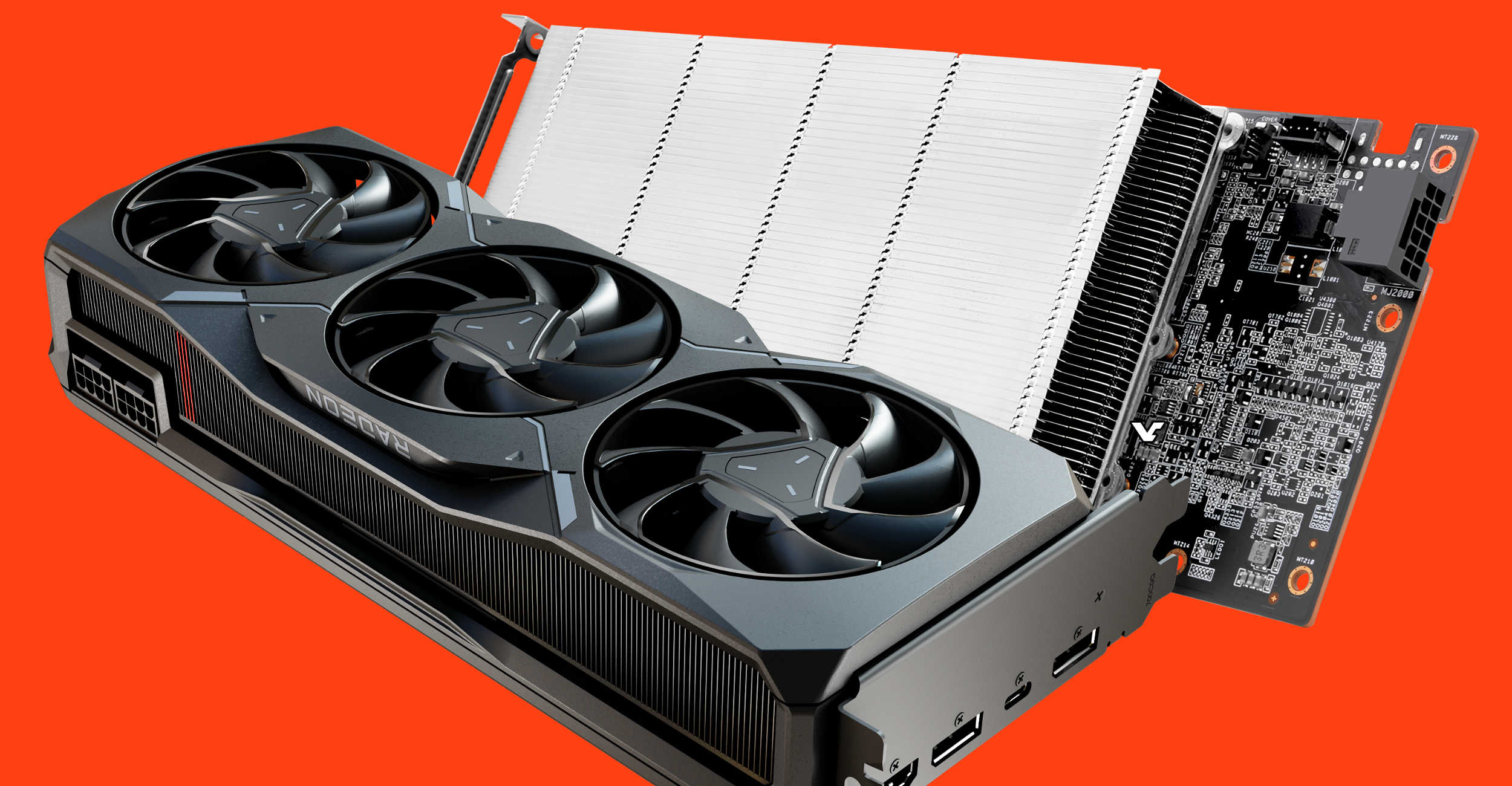
In the ever-evolving world of technology, AMD and Intel are currently experimenting with innovative power connectors for their next-generation GPUs. This development comes as no surprise, considering that adjustments to power delivery methods for graphics cards have been in the pipeline since the advent of NVIDIA’s RTX 30 series. However, a critical question arises: Are these new connectors genuinely necessary for both companies?
According to industry reports, AMD and Intel are evaluating an enhanced version of the 12VHPWR connector, known as the 12V-2×6. This comes in response to challenges faced by users of the RTX 4090, who experienced issues with overheating and melting. Following this, NVIDIA and its partners have adopted the updated connector, significantly reducing such incidents.
The innovative 12V-2×6 connector is capable of delivering up to a whopping 600W of power through a single cable. This advancement eliminates the need for the multiple 8-pin connectors typically found on high-end models, although they haven’t yet become standard for mainstream cards. This advancement was recently seen with NVIDIA’s RTX 4070 SUPER cards, which are now equipped with the new connector, standardizing it across the board for this model.
Interestingly, both Intel and AMD are meticulously testing their new VGA generations with both the conventional and updated power connectors. Despite the improvements, the traditional 8-pin PCI Express connector continues to outperform the newer alternative in load tests, offering a familiar sense of reliability and security.
It’s unlikely that Intel and AMD are aiming for the higher power consumption levels of 600W or even 450W. AMD’s strategic focus with its upcoming Radeon RX 8000 series is expected to steer clear of the enthusiast market, and Intel’s plans remain somewhat mysterious. Currently, the most demanding configuration in Intel’s Arc GPU lineup requires dual 8-pin connectors, consuming less than 250W. Although AMD hasn’t fully embraced the new connector yet, some of its partners, like ASRock, have begun incorporating it into select series.
A looming question now pertains to the readiness of power supply manufacturers. Can they mass-produce new designs compatible with the ATX 3.1 and PCIe 5.1 specifications, which include the updated connector? Without these new supplies, users might have to depend on adapters, whose reliability has been questionable, as demonstrated by the recent CableMod issues.
As AMD and Intel continue to navigate these waters, the industry watches with anticipation, eager to see how these advancements will shape the future of power delivery for graphics cards.