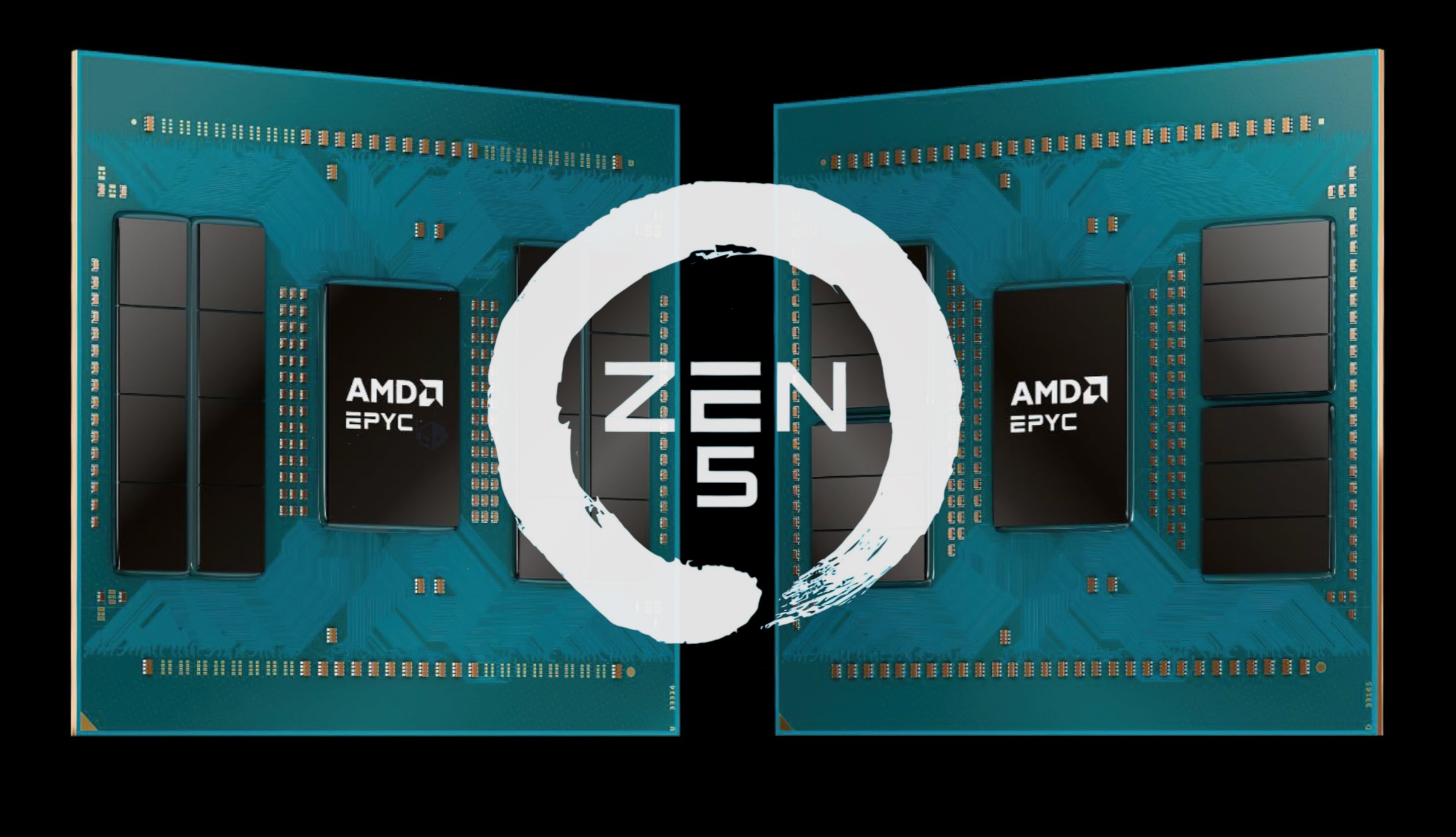
AMD has recently taken a significant step in enhancing the performance and efficiency of its latest EPYC 9005 “Zen 5” CPUs. By implementing the AMD P-State driver in the Linux kernel, the company aims to improve the performance per watt for these powerhouse chips commonly utilized in data centers.
Previously, EPYC families relied on the ACPI CPUFreq Linux driver, which offered limited control over CPU power and performance management. With the new patches, AMD has transitioned to the ACPI Collaborative Processor Performance Control (CPPC), a move that promises better handling of power and performance states across CPU cores.
This update marks a departure from the generic driver and aligns EPYC processors with the more sophisticated and efficient P-State driver already utilized by various Zen processor architectures since Zen 2. The implementation into the EPYC 9005 series brings these data center CPUs in line with mainstream Ryzen processors that benefit from similar efficient power controls.
The shift isn’t just about keeping up with mainstream desktops. Tests have indicated that when the P-State driver is in active mode with a performance-focused governor, the result is an equal or often improved performance per watt compared to the older ACPI CPUFreq driver. This enhancement ensures that EPYC processors maintain optimal frequency levels, even in power-limited scenarios, thanks to the refined handling capabilities of the P-State driver.
Recognizing the importance of flexibility, AMD is also providing an option for users who prefer the older setup. By using the “amd_pstate=disable” kernel command, they can revert to the ACPI CPUFreq driver if necessary.
As these patches find their way into the anticipated Linux Kernel 6.13, they are set to shape the future of AMD’s processor efficiency, particularly within demanding data center environments. Whether through enhanced performance or more efficient power use, AMD’s latest update seems to promise a lot for developers and tech enthusiasts alike.