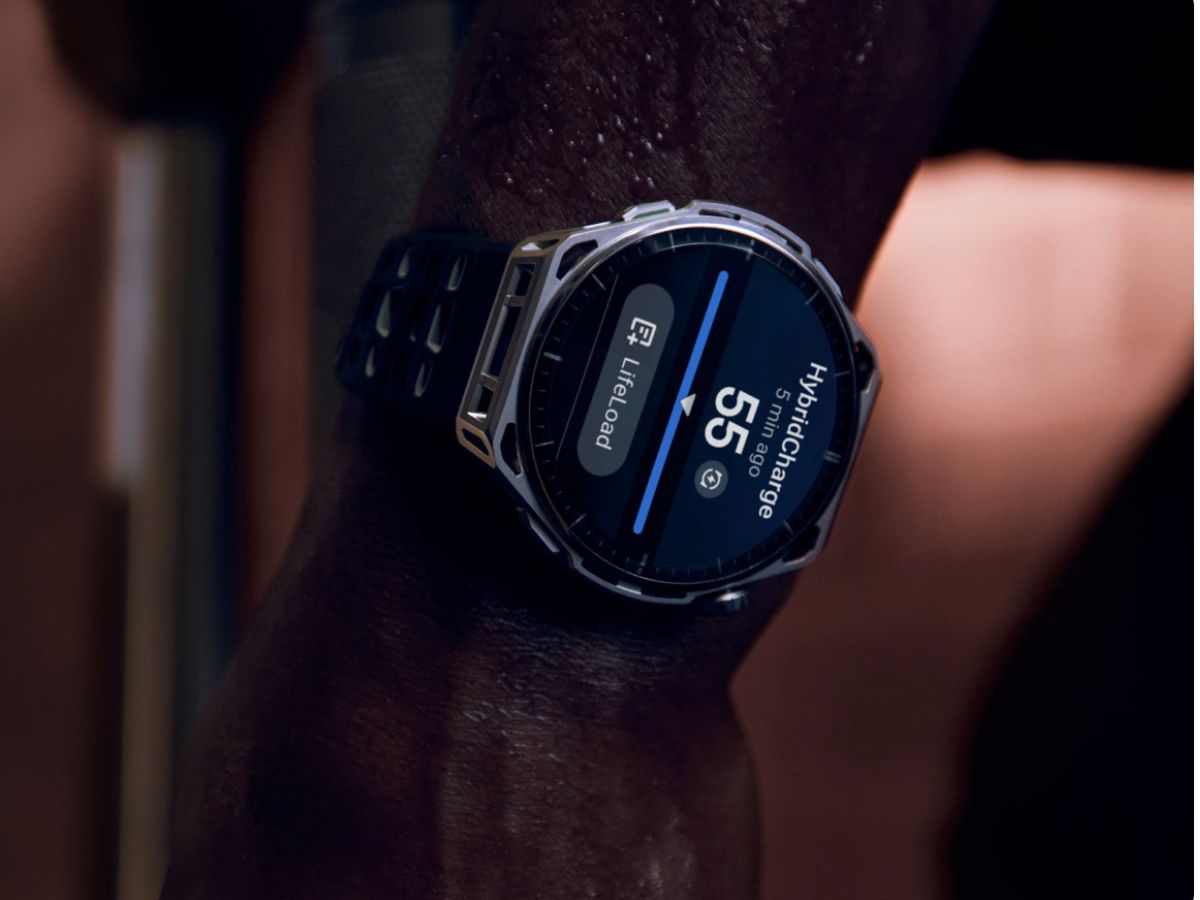
Amazfit is preparing to bring its new HybridCharge feature to more smartwatch users, expanding one of the key wellness tools introduced with Zepp OS 6. The feature first launched on the Amazfit Balance 3 and Balance Ultra, and it is now scheduled to arrive on ten additional Amazfit smartwatch models throughout 2026.
HybridCharge is designed to give users a clearer picture of their daily energy, recovery, and workout readiness. Instead of focusing only on basic fitness stats, the feature combines multiple health and activity insights to help users decide when to train hard, take it easy, or prioritize rest.
The new Amazfit HybridCharge Energy Intelligence system brings together three main elements: BioCharge, LifeLoad, and Training Load.
BioCharge monitors recovery and energy levels using biometric data, giving users a real-time sense of how prepared their body may be for physical activity. LifeLoad adds more personal context by allowing users to record lifestyle factors that can affect energy levels, such as stress, travel, alcohol consumption, or other daily pressures. Training Load then factors in workout intensity and physical strain, helping users understand how recent exercise may be impacting their body.
By combining these insights, HybridCharge aims to offer more practical fitness guidance. Rather than simply showing how active a user has been, it helps explain how ready they may be for another workout and when recovery could be more beneficial.
According to a recent update from an Amazfit representative, several models will receive HybridCharge in the coming weeks and months. The first group is expected to get the feature later in June 2026 and includes the Amazfit Active 3 Premium, Balance 2, Cheetah 2 Pro, Cheetah 2 Ultra, T-Rex 3, T-Rex 3 Pro, and T-Rex Ultra 2.
The Amazfit Bip Max is expected to receive the HybridCharge update in June or July 2026. The Amazfit Active Max is scheduled to get the feature in July or August 2026. Meanwhile, the original Amazfit Balance is also planned to receive HybridCharge later in 2026.
The rollout is good news for Amazfit users who want more advanced health and fitness insights without needing to upgrade to the newest smartwatch. With HybridCharge, compatible devices should become more useful for tracking not just exercise, but overall readiness, recovery, and lifestyle balance.
For fitness-focused users, the feature could be especially helpful when planning training sessions. By looking at energy, recovery, workout strain, and lifestyle factors together, HybridCharge may help users avoid overtraining and make smarter decisions about rest days.
Amazfit continues to expand its smartwatch software features, and the wider release of HybridCharge shows the company’s growing focus on personalized health tracking. As Zepp OS 6 reaches more devices, users can expect a more connected approach to wellness, recovery, and performance management.