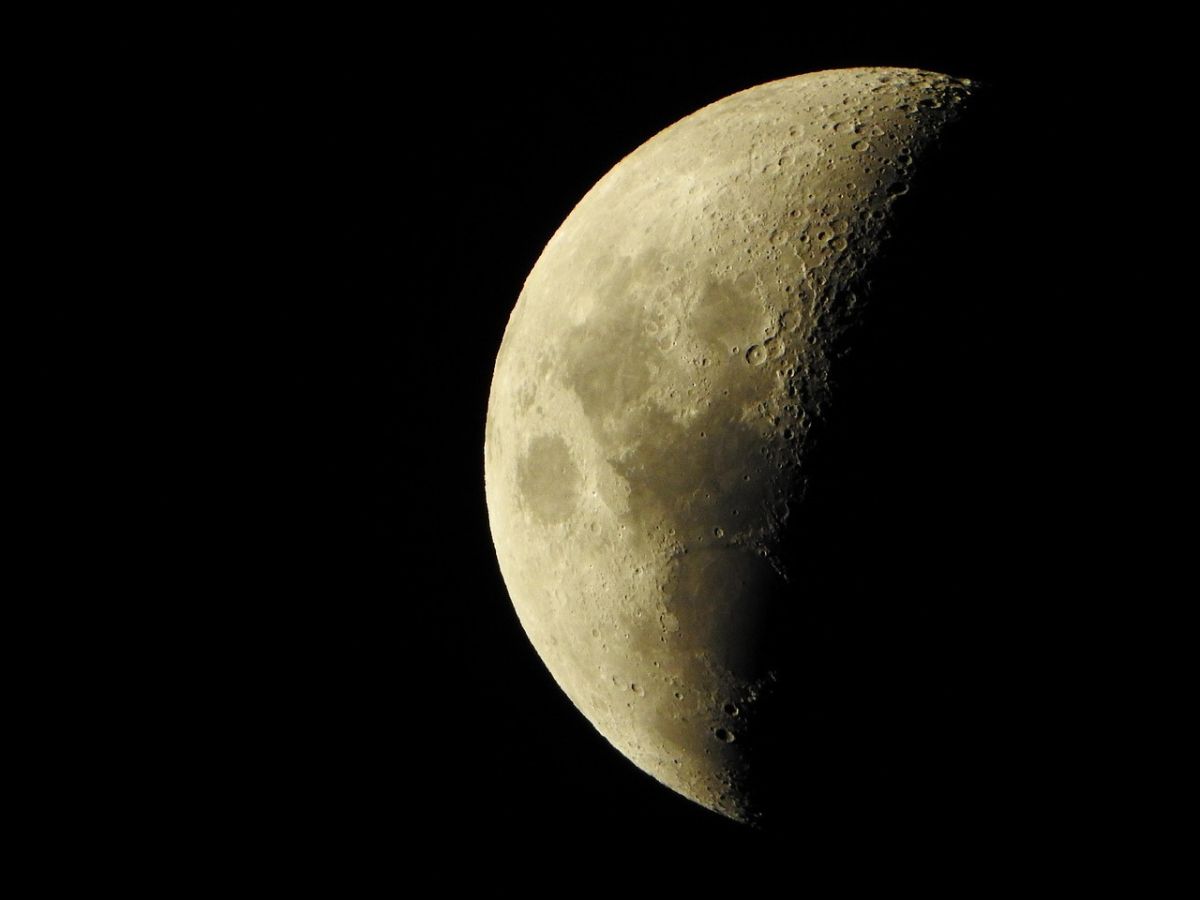
Two asteroid strikes on the Moon were captured on video just two days apart, offering a rare, real-time look at how our lunar neighbor is still being shaped. The footage was recorded by Japanese amateur astronomer Daichi Fujii, who works at the Hiratsuka Museum of Art and keeps a telescope fixed on the Moon to catch fleeting events most observers miss.
The first impact was filmed on the evening of October 30. In the video, a sharp, brilliant flash erupts against the dark lunar surface—an asteroid slamming into the Moon at an estimated 100,000 km/h (about 62,000 mph). Remarkably, a second flash appeared on November 1 at a different location, signaling another impact just 48 hours later. Capturing one event is uncommon; recording two so closely together is extraordinary.
Because of a shutdown affecting observing facilities in the United States, telescopes there were not able to confirm these flashes. That left Japanese instruments as the only sources of images for these two impacts, underscoring the importance of continuous, distributed monitoring of the Moon from multiple regions around the world.
Although the Moon’s face is covered in craters from billions of years of collisions, seeing a fresh impact in real time is rare. These brief flashes—often lasting less than a second—are vital for scientists. Each detection helps refine estimates of how often the Moon is hit, how bright impact flashes should be for objects of different sizes, and how much material is ejected during a strike. Those details feed directly into models of the lunar environment and help plan safer exploration.
Why this matters for future missions:
– Better impact frequency data can guide the design of shielding for landers, rovers, habitats, and orbiters.
– Understanding ejecta plumes and debris spread helps mission planners choose safer landing and construction sites.
– Coordinated monitoring networks improve the odds of catching impacts, building a more accurate picture of current hazards on and around the Moon.
Events like these also highlight the growing role of skilled amateurs. A telescope patiently trained on the Moon, combined with today’s sensitive cameras, can capture scientifically valuable data that complements professional observatories. When those observatories are offline or skies are unfavorable in one region, observations from elsewhere can keep the record complete.
As agencies and companies prepare for a sustained human presence on the lunar surface, every observed impact adds to the playbook for living and working there. Expect researchers to analyze the brightness, duration, and locations of these flashes to estimate the size and energy of the impactors and to update impact-rate models. The Moon may be quiet to the eye, but these sudden bursts of light remind us it’s still an active target in a busy solar system—and that watching closely can pay off for science and exploration alike.