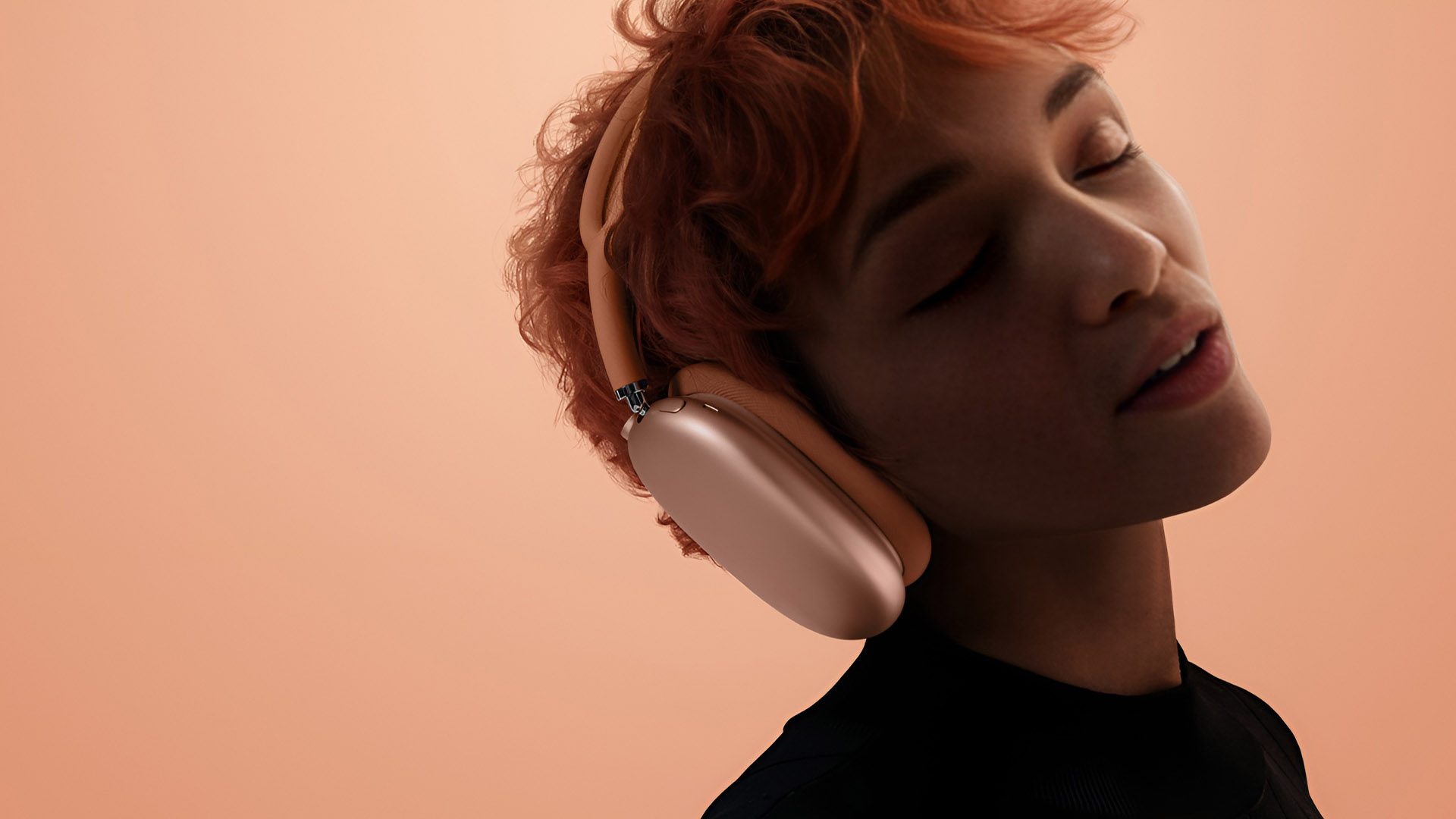
It’s been six years since Apple launched the first AirPods Max, and the “new” AirPods Max 2 is shaping up to be one of the most incremental updates the company has released in its premium audio lineup. According to the latest reporting, Apple’s focus this time isn’t bold innovation—it’s improving production efficiency and keeping the product selling, even if the changes don’t truly justify the expectations that come with a second-generation name.
The biggest visible change is the switch from Apple’s Lightning connector to USB-C, along with a few new color options. Beyond that, the overall design and core specifications remain largely the same. Even the internal approach reportedly reflects how minor this refresh is, with talk that the updated model doesn’t even have a new codename—something that typically signals meaningful generational change behind the scenes.
Some improvements that are being discussed are tied mainly to Apple’s H2 chip, which enhances areas people actually care about in daily use, such as Active Noise Cancellation and sound quality. But even that upgrade feels less like a major leap and more like Apple bringing the AirPods Max in line with the rest of its modern audio ecosystem. The bigger takeaway from the report is that the AirPods Max 2 isn’t meant to push the category forward—it’s meant to sustain sales.
The AirPods Max sits in an unusual position. At $549, it’s profitable and highly visible, and it has become a recognizable lifestyle product—frequently seen at gyms and throughout social media. At the same time, it’s apparently not selling strongly enough to justify Apple pouring resources into a complete redesign. That creates an awkward middle ground: not dominant enough to demand major investment, but too culturally embedded for Apple to walk away from it.
What’s missing is what many buyers would expect from a true second-generation AirPods Max: meaningful comfort and usability upgrades. The report points out common wishes that remain unaddressed, including getting rid of the much-criticized Smart Case, reducing the headset’s weight for long listening sessions, and improving battery life beyond the 20-hour mark. Even with the AirPods Max 2, battery life reportedly stays capped at around the same level instead of moving forward.
And yet, consumer demand continues. That’s part of what makes this refresh interesting. The report suggests that with Apple, product momentum increasingly comes down to presentation: how changes are framed and marketed can matter as much as how substantial those changes really are. For plenty of buyers, the appeal of the Apple brand and the status of the AirPods Max as a premium accessory is enough—even if the step from the original model to the AirPods Max 2 is far smaller than the name implies.
Pricing also complicates the buying decision. Right now, the USB-C AirPods Max can be found for around $449.99 at major retailers. That’s still premium territory, and for roughly $100 more you’re looking at Apple’s newest version with the same overall design and weight—making the upgrade value question even more important for shoppers.
For people who want Apple audio features without paying flagship over-ear prices, there’s also another option in the lineup: AirPods Pro 3. They come in significantly cheaper—often around $199.99 when discounted—and are expected to account for a large portion of Apple’s premium audio shipments simply because they deliver a lot for the money.
In the end, the AirPods Max 2 story isn’t about a breakthrough in wireless headphone technology. It’s about Apple keeping a high-margin, highly visible product alive with just enough updating to stay current—while relying on brand power and marketing to carry a “second-generation” release that, for many shoppers, may feel more like a refresh than a reinvention.