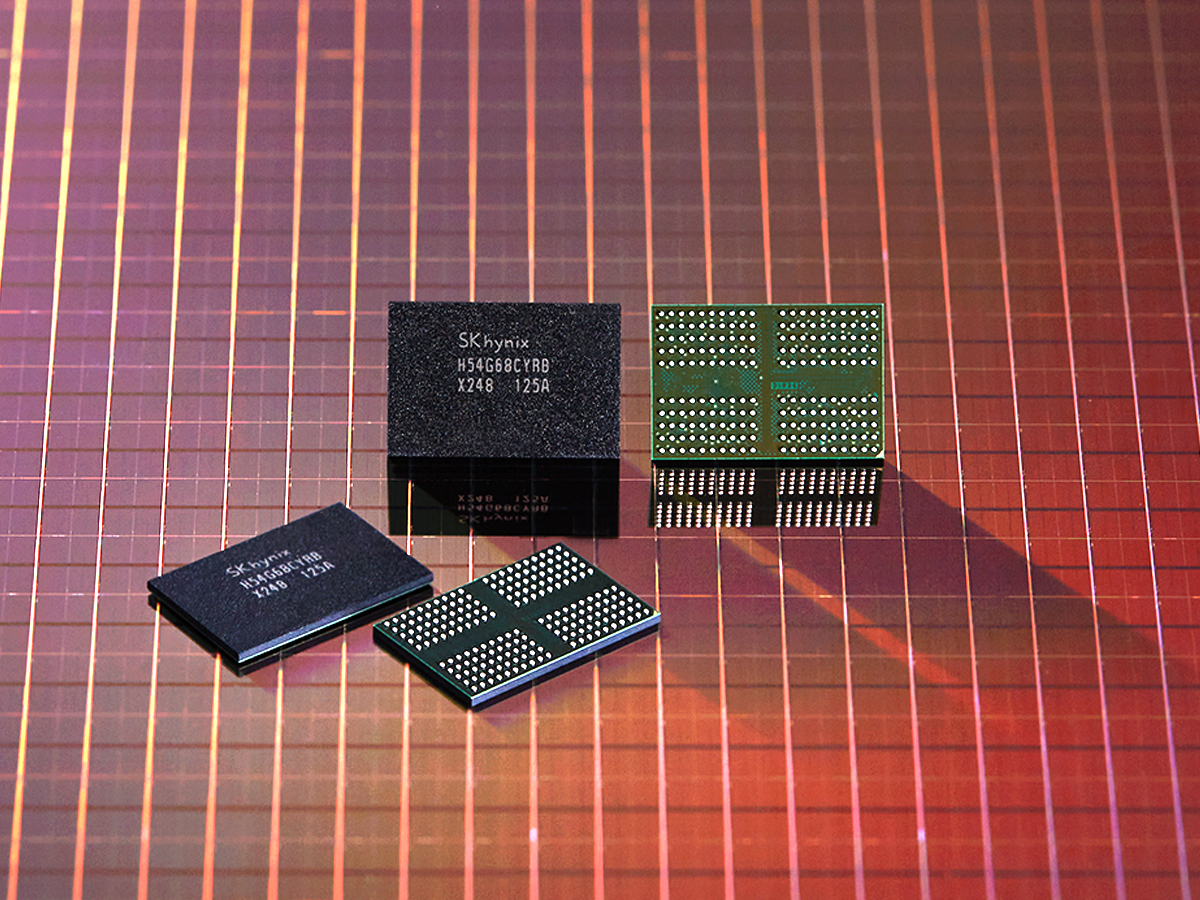
AI is rewriting the rules of the global memory market, and DRAM is becoming the new choke point. As companies train and deploy ever-larger AI models, demand for high-bandwidth memory is exploding. Multiple industry projections now point to a prolonged supply squeeze that could stretch across several years.
Two forces are driving this surge. First, AI accelerators increasingly rely on stacks of high-bandwidth memory attached directly to each processor, making memory capacity and bandwidth as critical as cutting-edge silicon. Second, custom AI chips are on the rise. As major AI players design their own in-house ASICs, DRAM intensity per system keeps climbing faster than traditional supply can expand.
Consider what’s coming. One upcoming AI ASIC is expected to use 12‑high HBM3E stacks, pushing memory density and throughput to new heights. Analyst estimates suggest a single next-gen platform could require about 500,000 to 600,000 DRAM wafer starts per month across 2026 to 2029. Some projections go even further: large-scale infrastructure programs like the Stargate initiative could need around 900,000 WPM—roughly 40% of today’s global output. Numbers vary by source and timing, but the takeaway is consistent: AI-centric architectures are preparing to soak up an unprecedented share of the world’s DRAM production.
Supply, however, isn’t infinitely elastic. Global DRAM output is projected to reach about 1.955 million WPM by 2026, a figure that may still lag demand if AI build-outs continue at the current pace. Inventory is already thin. Recent research indicates DRAM supplier stockpiles sit near 3.3 weeks—well below the typical 10-week buffer and the lowest level in seven years—leaving little room for error if demand jumps or production stumbles.
To keep up with AI workloads, leading memory manufacturers are shifting capacity toward HBM and accelerating process migrations to nodes such as 1c. Samsung, SK hynix, and Micron are converting lines and scaling advanced packaging as HBM becomes essential not only for custom ASICs but also for GPUs and other data center accelerators. This pivot is complex and capital intensive. It also competes with conventional DRAM output, a tension that could keep supply tight and pricing firm as enterprises race to expand AI infrastructure.
Geographically, most DRAM manufacturing remains concentrated in Korea, with fresh investments aimed at diversifying production footprints, including projects in the United States. The challenge is timing. New fabs and advanced packaging facilities take years to build and qualify, and HBM demands stringent yields. With long lead times and compounding demand, the next two to three years will be critical.
The shift to HBM4 will likely intensify these trends. Bigger AI models, faster interconnects, and more memory per package point to higher DRAM content per chip. For hyperscalers and chip designers, the strategy is clear: secure HBM early and at scale. For the memory industry, the mandate is to expand capacity and advance processes without compromising yield or reliability.
What this means for buyers and builders:
– Plan for longer lead times on HBM and premium DRAM.
– Expect firmer pricing as AI demand absorbs more supply.
– Diversify vendor relationships and lock in contracts earlier.
– Align deployment timelines with realistic memory availability.
– Monitor node transitions and packaging capabilities that affect yield.
Bottom line: AI is turning DRAM—especially HBM3E today and HBM4 tomorrow—into the central bottleneck of advanced computing. Unless supply ramps faster than expected, tight market conditions are likely to persist. Organizations building AI infrastructure should prepare for elevated demand, higher costs, and extended procurement cycles for the memory that now powers the AI era.