After a turbulent stretch marked by inventory corrections and shifting buying patterns across the global ICT industry from 2023 through 2025, the market is beginning to separate into clear winners and laggards. Instead of a single, unified rebound, the economic picture now shows a split recovery where a handful of segments are accelerating quickly while others remain stuck in a slower climb.
One of the standout growth engines is AI server demand, driven largely by ongoing data center construction and expansion. As organizations race to scale up AI workloads and processing capacity, investment in server infrastructure continues to surge. This rapid momentum has made AI servers one of the few consistently high-growth areas in an otherwise uneven technology landscape, helping to offset softness elsewhere in the sector.
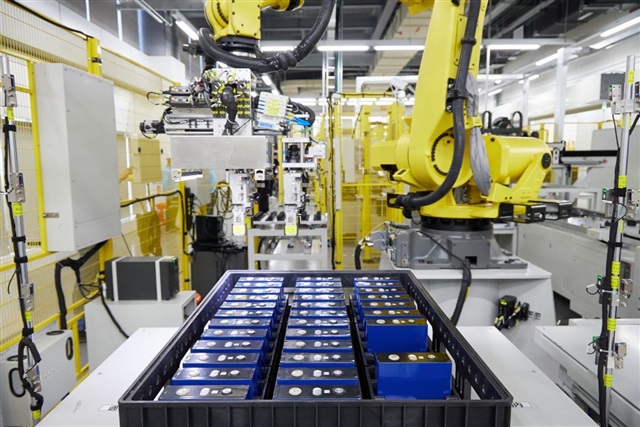
Meanwhile, the story looks very different in industrial technology. Areas tied to factory modernization and production upgrades—such as industrial PCs (IPCs), automation equipment, and machine tools—have not bounced back as strongly as many expected. Even as supply chains stabilize after earlier disruptions, demand in these industrial applications remains hesitant, reflecting a more conservative stance from businesses that rely on long-term capital planning.
Several factors are weighing on the pace of recovery in industrial markets. Persistent inflation continues to pressure operating costs and purchasing decisions. Rising geopolitical risks are adding uncertainty to global manufacturing and trade, pushing companies to delay or scale back big investments. At the same time, corporate capital expenditures remain cautious, with many organizations choosing to protect cash flow and wait for clearer signals before committing to major automation or equipment upgrades.
For businesses tracking the ICT industry outlook, the takeaway is increasingly clear: growth is becoming more concentrated. AI infrastructure spending—especially tied to data center buildouts—is expanding quickly and reshaping where investment flows. Industrial tech, while still strategically important, is facing a slower path back as macroeconomic pressures and risk concerns keep buyers on the sidelines.
As the market moves forward, this divergence will likely remain a defining theme. Companies aligned with AI server deployment and data center construction are positioned to capture outsized demand, while industrial automation and machine tool sectors may need more time—and more stable economic conditions—before a stronger, broad-based recovery takes hold.


