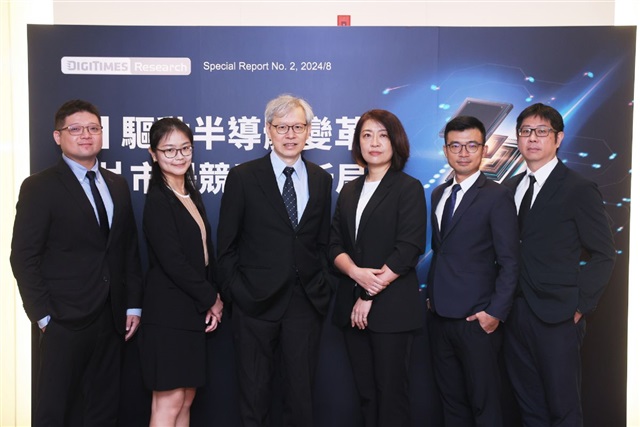
Artificial Intelligence (AI) is poised to transform the system on a chip (SoC) industry, reshaping the competitive landscape of both PC and mobile markets. Advances in AI technology have led to the development of specialized AI chips that are capable of conducting complex computations more efficiently than traditional CPUs. This shift has significant implications for the industry.
AI has been increasingly integrated into a variety of applications, ranging from voice recognition in smartphones to complex data analysis in cloud services. In particular, the rise of AI has accelerated the demand for chips that can process these AI-related tasks quickly and efficiently.
The push for AI-capable hardware has led to emerging trends where major semiconductor companies are investing heavily in developing SoCs with dedicated AI processing units. These specialized units, also known as neural processing units (NPUs) or intelligence processing units (IPUs), are designed to execute machine learning algorithms with greater speed and lower power consumption.
With AI chips, tasks that were once delegated to servers could potentially be processed locally on devices, vastly improving response times and reducing dependence on cloud-based infrastructure. This may lead to more intelligent and responsive applications in the future, offering users more advanced features on their devices.
For the PC market, the effect is just as transformative. AI chips could facilitate smarter and more efficient operations, especially in areas like video editing, gaming, and professional software utilities which can significantly benefit from enhanced AI capabilities. This might redefine hardware requirements for high-performance computing tasks.
The mobile industry, already a hotbed of innovation, stands to benefit as well. AI chips in smartphones and tablets are not just about improving camera image processing anymore. They are increasingly about offering real-time language translation, augmented reality (AR) experiences, and personal assistant functionalities with enhanced capabilities.
Companies that have traditionally focused on CPUs or GPUs now see AI chips as the next frontier. This competition could lead to new alliances and shifts in market dominance as companies vie to provide the most advanced and efficient AI solutions.
For consumers and businesses alike, the integration of AI chips could lead to a wave of innovative products and services tailored to their needs. Enhanced on-device AI capabilities might also address data privacy concerns by allowing local data processing without needing to send information to the cloud.
In summary, AI is shaking up the SoC competition, and the future promises even more significant advances. As AI continues to evolve, staying informed about these developments will be crucial for businesses and individuals looking to leverage these changes for improved technology and services. For users looking to maximize the benefits of AI in their daily lives, considering devices with advanced AI chips could be a wise investment as we steer into a future where on-device intelligence becomes the norm.