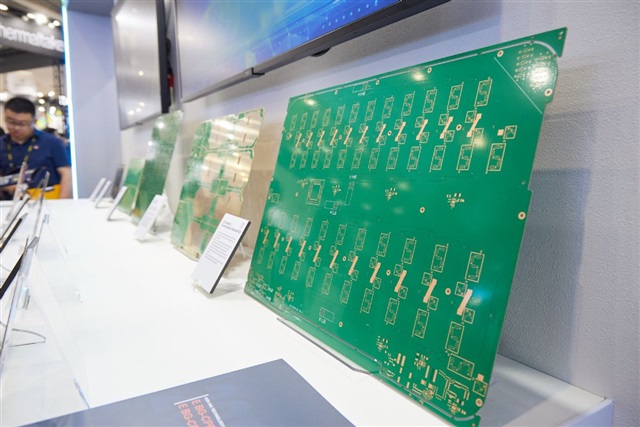
AI Infrastructure Boom Fuels Global PCB Expansion Race as Material Shortages Intensify
Global demand for AI infrastructure is accelerating at a rapid pace, and the impact is being felt across the printed circuit board supply chain. As major technology companies continue investing in AI servers, data centers, networking equipment, and high-performance computing systems, suppliers are racing to expand production capacity to keep up with rising orders.
The momentum behind artificial intelligence has created stronger visibility for future orders, giving PCB manufacturers more confidence to commit to long-term factory expansion plans. Instead of short-term capacity adjustments, the industry is now entering a larger growth cycle driven by sustained demand for advanced computing hardware.
At the center of this expansion is the growing need for high-end PCBs used in AI servers and related infrastructure. These boards require more advanced materials, higher layer counts, better thermal performance, and stronger signal integrity than conventional PCBs. As AI workloads become more complex, the hardware supporting them must also become more powerful, placing additional pressure on suppliers throughout the production chain.
One of the most urgent challenges is the shortage of copper-clad laminate, commonly known as CCL. This key upstream material is essential for PCB manufacturing, and demand has surged as AI infrastructure orders increase. With supply tightening, PCB makers are facing rising competition for reliable material sources, especially for high-performance laminates used in advanced server and networking applications.
The shortage is not limited to raw materials. Land, factory space, and production equipment are also becoming harder to secure. As more companies move to expand capacity, industrial sites suitable for large-scale PCB production are in high demand. At the same time, specialized machinery needed for advanced PCB manufacturing is seeing longer delivery times, creating another bottleneck for companies trying to scale quickly.
This combination of strong AI demand and limited supply chain resources has triggered what many industry observers view as a long-term capacity race. PCB manufacturers are not only trying to meet current orders but also positioning themselves for the next wave of AI data center construction and hardware upgrades.
The expansion race could reshape the global PCB market over the coming years. Companies with access to stable CCL supply, advanced production technology, and sufficient factory space may gain a competitive advantage. Meanwhile, suppliers that fail to secure materials and equipment early could struggle to keep pace with the growing requirements of AI infrastructure customers.
As artificial intelligence continues to drive investment in servers, cloud computing, high-speed networking, and data center equipment, the PCB supply chain is expected to remain under pressure. The industry’s ability to expand efficiently will play a critical role in supporting the next stage of global AI infrastructure growth.