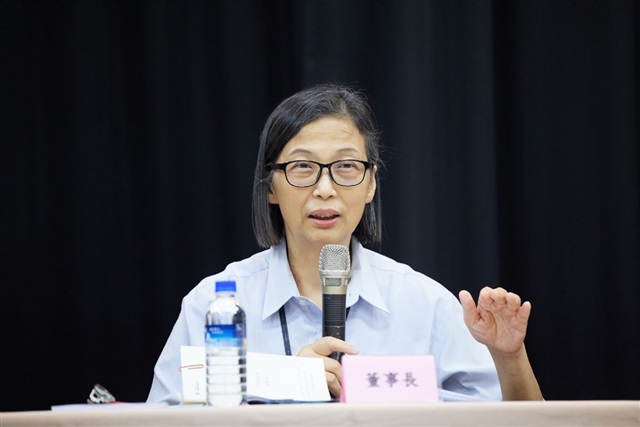
Sino-American Silicon Products is looking to artificial intelligence as a practical way to ease Taiwan’s growing pressure on green electricity, as demand for power continues to climb across the island’s high-tech industries.
The company, led by chairwoman Doris Hsu, is adopting AI-based power management tools to improve how electricity is monitored, allocated, and used. The move comes at a time when Taiwan is facing a persistent shortage of renewable energy, while advanced semiconductor manufacturing and AI data centers are consuming more power than ever.
Taiwan’s role as a global hub for chip production has made reliable electricity supply a critical issue. Cutting-edge chipmaking requires enormous amounts of stable power, and the rapid expansion of artificial intelligence infrastructure is adding even more strain to the grid. As more companies build AI servers, data centers, and high-performance computing facilities, the need for efficient energy use has become a major business and policy priority.
Sino-American Silicon Products, a key supplier in the semiconductor and solar industries, sees AI as part of the solution. By using intelligent power management systems, companies can analyze energy consumption patterns in real time, predict demand, reduce waste, and shift electricity usage more efficiently. These tools can help businesses make better decisions about when and how to use power, especially when renewable energy supply is limited or inconsistent.
The push also reflects a broader challenge for Taiwan: balancing its leadership in advanced technology with its clean energy goals. The island has been working to expand renewable energy sources such as solar and offshore wind, but supply has not grown fast enough to match industrial demand. This gap has created pressure on manufacturers that are trying to reduce carbon emissions while maintaining production capacity.
AI-powered energy systems could help narrow that gap by making existing electricity resources work harder. Instead of relying only on new power generation, companies can use data-driven tools to optimize equipment, manage peak loads, and improve energy storage strategies. For semiconductor firms and material suppliers, even small efficiency gains can translate into meaningful savings and lower environmental impact.
SAS’s focus on AI-based power management highlights how energy strategy is becoming increasingly important in the semiconductor supply chain. As global customers pay closer attention to carbon footprints and sustainable production, suppliers in Taiwan are under pressure to prove they can operate with greater energy efficiency.
The trend is likely to accelerate as AI data centers expand and next-generation chip production becomes more power-intensive. Without smarter energy management, Taiwan’s green-power shortage could become a larger bottleneck for future technology growth.
By turning to artificial intelligence, Sino-American Silicon Products is positioning itself for a future where energy efficiency, renewable power, and semiconductor competitiveness are closely connected. The company’s approach signals a growing shift across the tech industry: AI is not only driving electricity demand, but it may also become one of the most important tools for managing it.