The Game Preservation Society (GPS), a nonprofit organization based in Japan and focused on protecting and documenting video game history, has launched a Patreon as it pushes toward stable, self-sustaining funding. Alongside that move, the group is also working on opening a sister organization in the United States, a step that could help broaden its long-term preservation efforts beyond Japan.
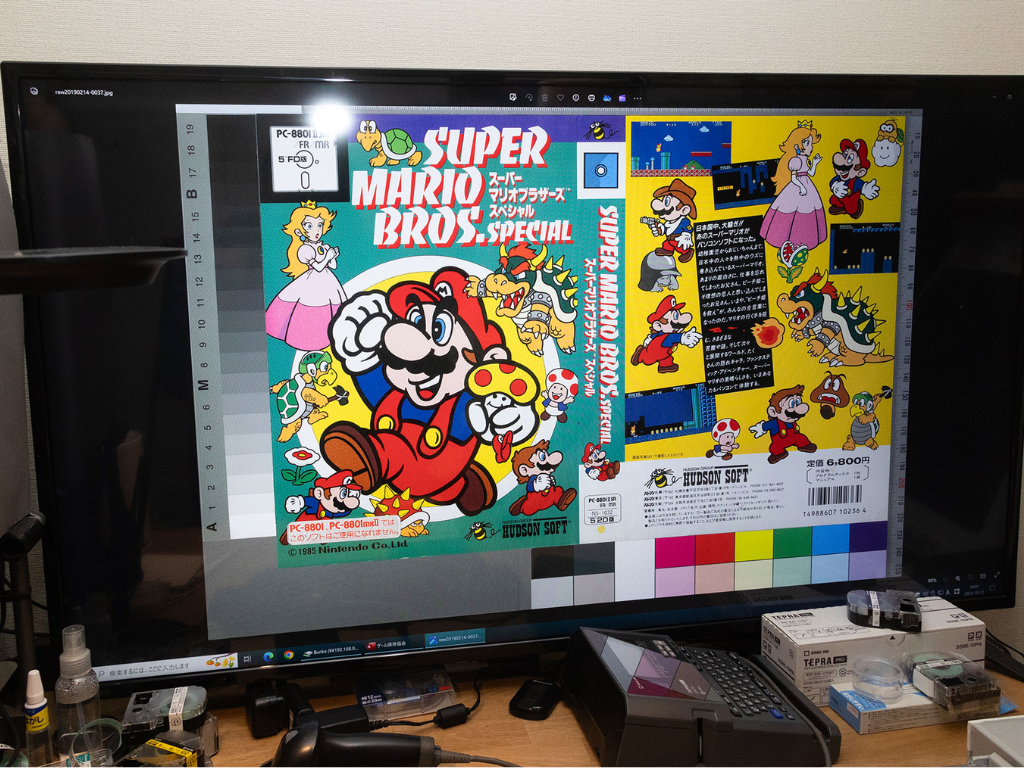
The shift toward community backing comes after a difficult stretch with government support. In July 2025, Japanese government assistance for GPS was halted following allegations of regulatory violations tied to how the organization was archiving materials. The concerns reportedly centered on practices such as collecting images from books, magazines, and game covers, as well as scanning full magazine pages to build a digital library—actions that were said to be restricted under Japanese law. Despite the setback, GPS continued operating out of Tokyo.
The issue gained attention last summer when authorities raised two main objections: first, obtaining images of printed media and game-related visuals in ways that allegedly breached regulations; and second, scanning entire magazine pages for private archival use, which was described as limited or prohibited. GPS head Josh Redon said the experience was messy and unclear, describing how funding was threatened unless changes were made, while the reasons were not fully explained. According to Redon, GPS ultimately had to bring in legal help and consult with the Agency for Cultural Affairs to understand what was expected and how to proceed.
After working through the process, GPS continued receiving funding, but with a 20% penalty. Donations starting in April 2025 helped cover the gap and keep the organization moving forward.
Even with these hurdles, GPS says it has expanded its Tokyo headquarters and continued making tangible progress in preserving gaming history. This fiscal year, the group has indexed more than 855 Famicom strategy guides and preserved over 7,000 magazine advertisements—materials that often disappear over time despite being key pieces of gaming culture and industry history.
Now, GPS is aiming to reduce reliance on subsidies altogether by building a steady base of supporter funding through Patreon. The Patreon includes a free tier that provides updates, while a $5-per-month tier offers news delivered via email. The organization also plans to add higher tiers in the future, with promises of livestreams from its operations and longer feature-style content that goes deeper into what it’s archiving and why it matters.
Redon emphasized that contributions are intended to support preservation work, not to buy “content.” The stated focus is on archiving and maintaining real-world materials—magazines, guides, ads, and other memorabilia—so they can be properly indexed and protected for researchers, historians, and fans.
GPS believes community support could be transformative. Redon said that with roughly 300 backers, the organization could reach a level of autonomy that frees it from government pressure and reduces dependence on a small number of large private donors. In his view, that independence is essential for maintaining the group’s integrity, sticking to its philosophy, and making preservation decisions based on what best serves the public interest.
By turning to Patreon while continuing expansion plans—potentially including a US sister group—GPS is signaling a clear next chapter: building a preservation effort that can survive policy shifts and funding uncertainty, while keeping video game history from quietly fading away.