Adeia sues AMD over hybrid bonding patents tied to 3D V-Cache, after years of failed licensing talks
IP licensing firm Adeia has filed two patent infringement lawsuits against AMD, alleging the chip designer has relied on Adeia’s patented semiconductor technologies without authorization. The complaints were lodged in the U.S. District Court for the Western District of Texas and center on innovations that Adeia says AMD has used for years across its products.
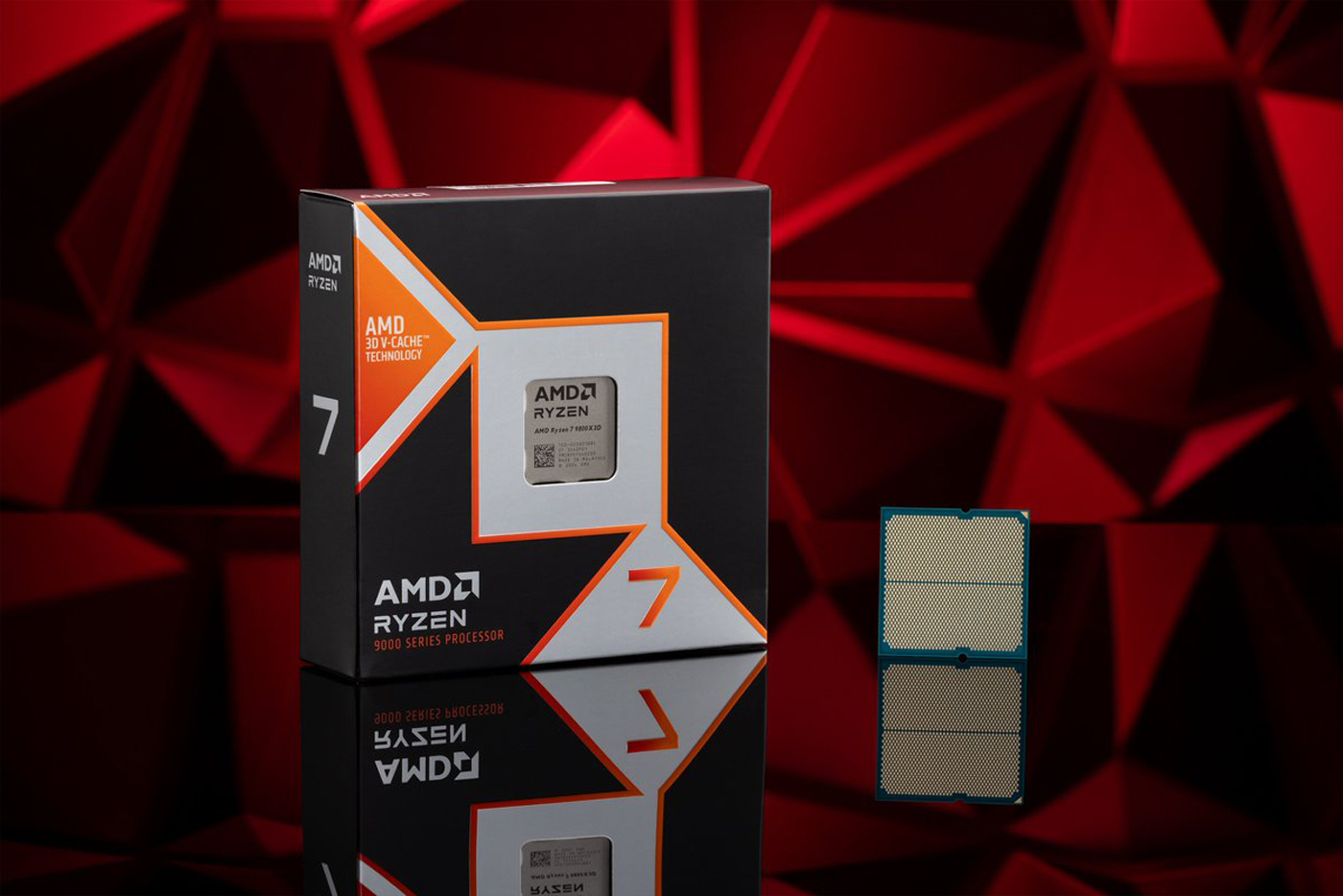
At the heart of the dispute is hybrid bonding, a 3D chip-stacking technique credited with enabling AMD’s 3D V-Cache processors. That packaging approach has delivered notable gains in gaming and select workloads since 2022, giving AMD a clear edge in the client CPU segment. Adeia contends it spent years trying to reach a licensing agreement with AMD, but after prolonged negotiations stalled, it opted to take legal action.
According to Adeia, the lawsuits cover ten patents in total: seven related to hybrid bonding and three involving advanced semiconductor process technologies. While the company says it remains open to a negotiated resolution, it also indicates it is fully prepared to press its case in court if necessary.
If Adeia prevails or a licensing deal is reached, AMD could face new royalty costs tied to products that employ 3D-stacked packaging. That scenario may influence AMD’s long-term roadmap and cost structure for future chips built around hybrid bonding, a technique that has become central to its recent performance gains.
It’s worth noting that AMD’s chips are manufactured by TSMC. However, Adeia is targeting AMD as the designer and primary beneficiary of the disputed technologies rather than the contract manufacturer. Such dynamics are common in semiconductor patent disputes, where licensing terms often hinge on how core innovations are integrated into end products.
AMD has not yet issued a public response to the complaints. With hybrid bonding and 3D-stacked cache now essential to high-performance CPUs, the outcome of this case could shape licensing practices and technology adoption across the industry, as both companies weigh the risks and rewards of litigation versus settlement.