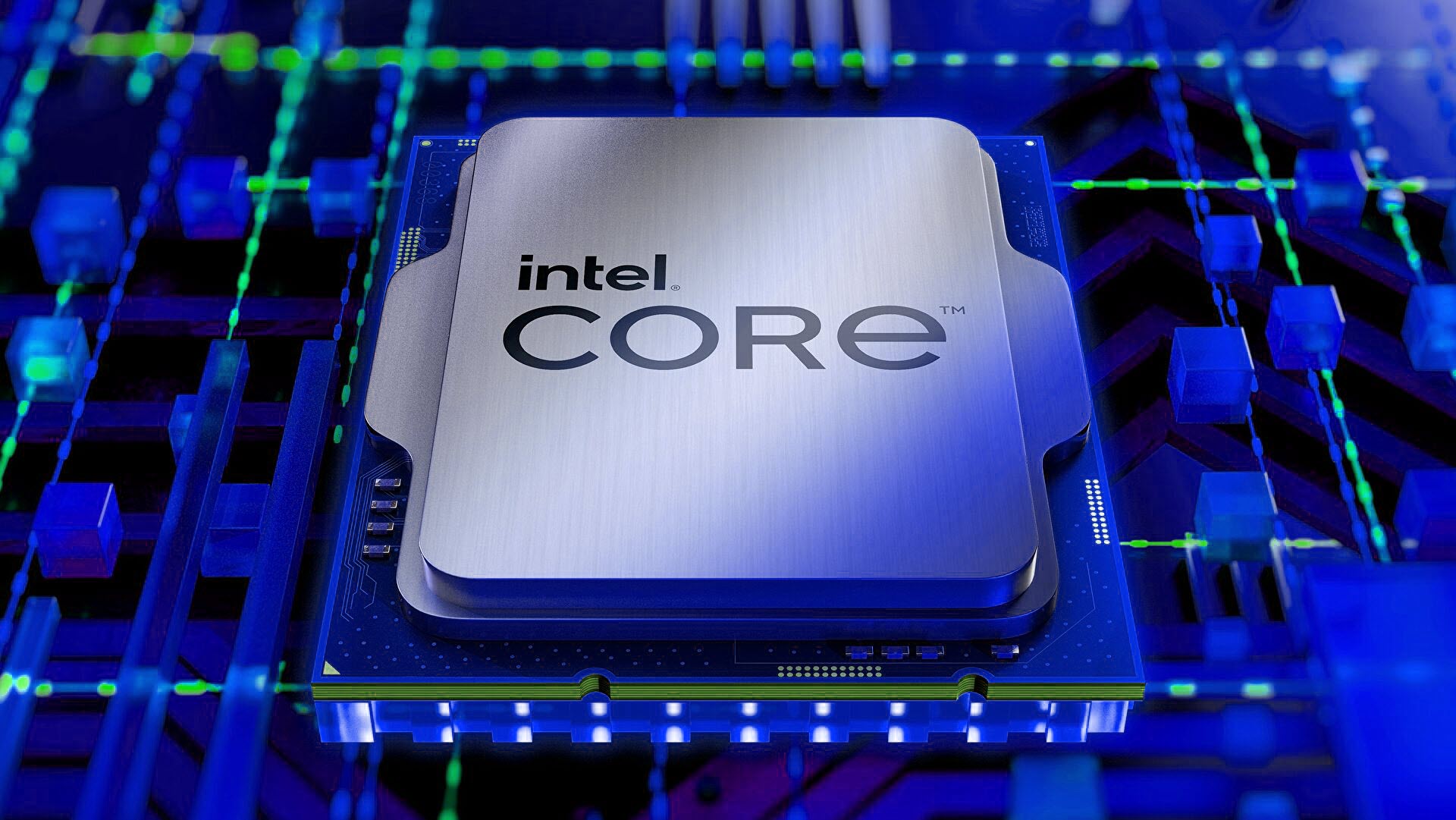
Intel’s recent microcode update has been designed to tackle instability issues plaguing its 14th Gen and 13th Gen processors. The new patch, nicknamed “0x129,” comes amidst concerns from users who have experienced problems with their CPUs. It’s welcome news to those affected, as the much-anticipated fix appears not to have compromised processor performance.
The microcode “0x129” has been shared with motherboard manufacturers early in August, beating the initial mid-August predictions. Frontrunners ASUS and MSI have already integrated this update in their BIOS offerings, and users are beginning to see the benefits unfold.
One pertinent analysis comes from JayzTwoCents, who compared the latest microcode with its predecessors on an ASUS motherboard. The initial “0x123” firmware release and subsequent “0x125” microcode — designed to address what’s known as the eTVB bug — now stand as benchmarks to measure the extent of Intel’s improvements within the last few months. Tests were carried out on the Core i9-14900K CPU, which represents a significant portion of the CPUs identified as unstable.
In rendering software Cinebench R23, the difference in performance between the old and new microcodes was negligible. The newer “0x129” update showed a modest increase in single-core performance, rising slightly from 2,336 to 2,345 points. However, multi-threaded performance in Cinebench R24 showed a small decline.
Even in CPU-intensive benchmarks like TimeSpy’s Extreme CPU test, while there was a more marked drop of 700 points, the origin of this performance discrepancy remains unclear. Yet it’s speculated to be tied to the new microcode adjustments.
Gaming tests, including popular titles like Shadow of the Tomb Raider and Cyberpunk 2077, yielded unexpectedly stable results with no significant performance drop noted, suggesting that gaming aficionados can breathe easy for now.
A closer examination of the CPUs’ core clocks, temperatures, and core VIDs after applying the “0x129” microcode indicated no drastic changes. These findings suggest that, for the most part, the microcode patch maintains the CPUs’ performance integrity. Thus, Intel’s latest microcode seems to have achieved its primary goal: stabilizing the 14th Gen and 13th Gen platforms without sacrificing performance.
Nevertheless, cautious optimism is warranted. With the microcode freshly released, only time will tell if Intel has successfully engineered a long-term solution or if this is merely a stopgap. Users will be watching closely for any signs of instability reemerging.
For those with Intel’s 14th Gen or 13th Gen CPUs, keeping an eye on manufacturer updates and being prompt with BIOS updates is recommended. This ensures that you can take advantage of Intel’s efforts to refine and enhance CPU performance and reliability as developments continue to unfold. It’s a pivotal moment that could signal a steady course for these advanced processors.