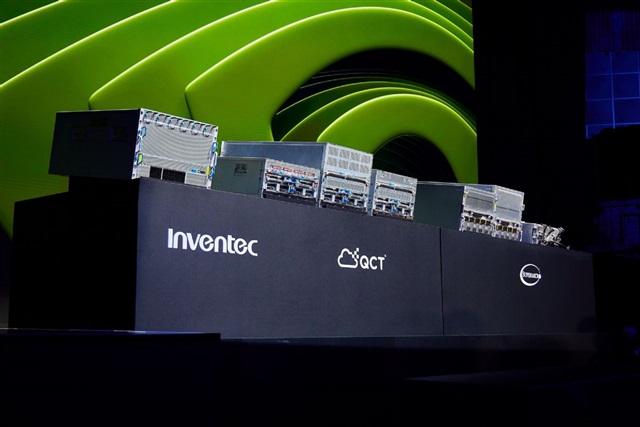
As Nvidia continues to lead the charge in developing artificial intelligence (AI) chips, its CEO Jensen Huang has been strategically establishing partnerships within Taiwan’s robust electronics sector. However, not all tech companies in the region have secured a place in Nvidia’s esteemed supply chain circle. Notably, Acer and Compal Electronics, two influential firms in the industry, find themselves on the outside looking in, according to industry insiders.
Nvidia’s decision to exclude certain key local firms sparks significant interest and speculation in the tech community, as it could impact not only the future of the companies involved but also the broader state of the AI industry. Acer and Compal Electronics are tech behemoths known for their contributions to the global computer market, yet their absence from Nvidia’s supply chain for AI chips suggests a missed opportunity for these firms to diversify and expand their presence in the latest tech frontier.
For consumers and businesses looking to navigate the evolving terrain of AI technology, understanding the dynamics of supply chain partnerships is crucial. Here is a comprehensive guide with helpful insights and advice on the influence of supply chains on AI chip availability, and tips on staying informed about the latest developments:
1. **Understand Supply Chain Importance**: The supply chain for AI chips is critical because it ensures the availability and timely delivery of these essential components for various AI applications. Supply chain disruptions can lead to product shortages and increased costs.
2. **Stay Informed on Industry Trends**: Knowing which companies are in or out of supply chains can offer insights into emerging industry leaders and innovators in AI. Keep tabs on press releases, industry reports, and trade publications to stay ahead of the curve.
3. **Consider Diversification**: For businesses in the electronics sector, consider diversifying your partnerships and investments to avoid over-reliance on a single supplier or customer. This strategy might prevent being caught off-guard by shifts in supply chain alignments.
4. **Leverage Supplier Networks**: If your company’s services align with the needs of major industry players like Nvidia, establishing a network with their suppliers could open the door to future collaborations and business opportunities.
5. **Anticipate Market Fluctuations**: Companies involved in manufacturing, distribution, or use of AI-powered products must anticipate market demand changes that could arise due to supply chain adjustments like Nvidia’s. This allows for strategic adjustments in operations and procurement.
6. **Explore Alternative Sourcing**: Don’t put all your eggs in one basket. If leading-edge AI chips are vital to your business operations, ensure you have multiple sourcing options to mitigate the risks of a disrupted supply chain.
7. **Monitor Regional Developments**: Regional developments, including government regulations, trade agreements, or economic events, can influence supply chain dynamics and availability of technology components like AI chips.
As the landscape evolves with technology giants like Nvidia reshuffling their supply chain decks, it impacts not just direct partners but the entire AI sector’s growth and distribution of innovations. For those embedded within or reliant upon these technologies, keeping a close eye on these shifts while preparing and adjusting strategies can be essential for sustained success in a competitive market.