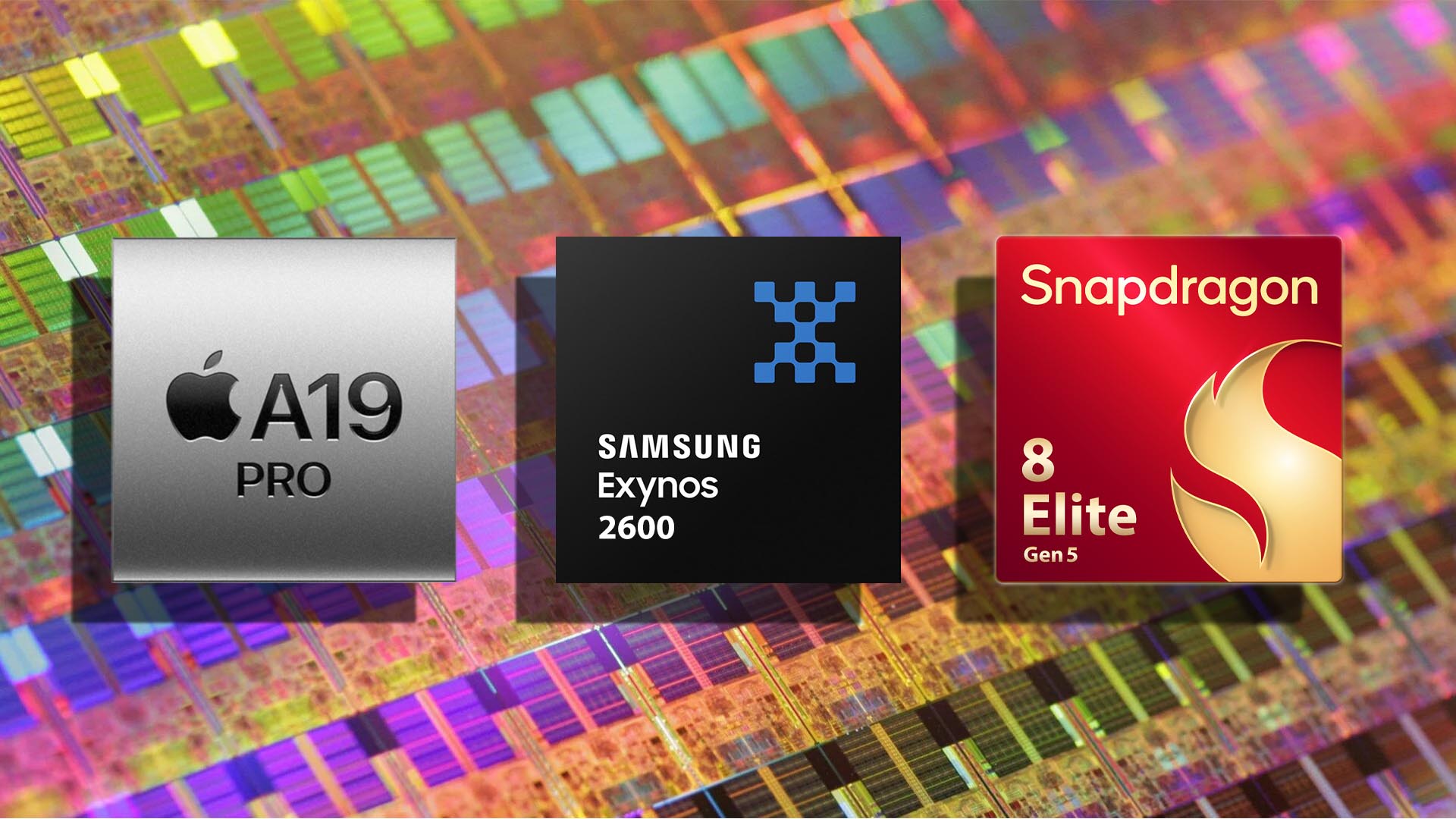
Apple wrapped its iPhone 17 showcase and, right on cue, early Geekbench 6 numbers for the A19 Pro arrived. The 6-core chip posts a modest generational uplift of about 13 percent over the A18 Pro—exactly what you’d expect from a mature 3nm process that already squeezed out big gains last year. The headline remains the same: Apple continues to dominate single-core performance, but the latest Android flagships are flexing serious multi-core muscle.
In recent Geekbench 6 runs, the A19 Pro delivered 3,895 in single-core and 9,746 in multi-core. Those are strong flagship results, but they also suggest Apple is prioritizing efficiency and thermals over chasing bigger multi-threaded numbers. That leaves room for rivals to surge ahead in aggregate CPU throughput, and that’s exactly what’s happening.
An underclocked Snapdragon 8 Elite Gen 5, tested with its performance cores at 4.00GHz instead of the standard 4.74GHz, posted a multi-core score of 11,515. That’s an 18.2 percent lead over the A19 Pro in multi-core, despite the reduced clocks, though it still trails by 12.9 percent in single-core. Samsung’s upcoming Exynos 2600, expected to be its first 2nm GAA design, also clears the A19 Pro in multi-core by 15.5 percent. However, it lags by roughly 15 percent in single-threaded performance.
There’s necessary context behind these results. Apple sticks to a 6-core CPU configuration to preserve its hallmark efficiency and consistent performance under sustained loads. By contrast, Snapdragon 8 Elite Gen 5 and Exynos 2600 rely on higher core counts—8-core and 10-core clusters, respectively—to secure those multi-core wins. Scale up the core count on the A19 Pro to match, and we’d likely be having a very different conversation.
The takeaway is familiar but important. The A19 Pro remains the single-core benchmark to beat, a metric that still correlates strongly with everyday responsiveness, app launch speeds, and UI fluidity. Android’s latest silicon is closing the gap and even surpassing in multi-core tasks that benefit from more threads, such as heavy multitasking and certain content creation workloads.
Synthetic benchmarks are valuable indicators, but they don’t always mirror real-world experiences. Battery efficiency, thermals, sustained performance, and software optimization will determine how these chips feel in daily use. As devices hit shelves, we’ll learn how these impressive numbers translate when the phones are in your hand. What do you think about this year’s balance of efficiency versus raw multi-core power?