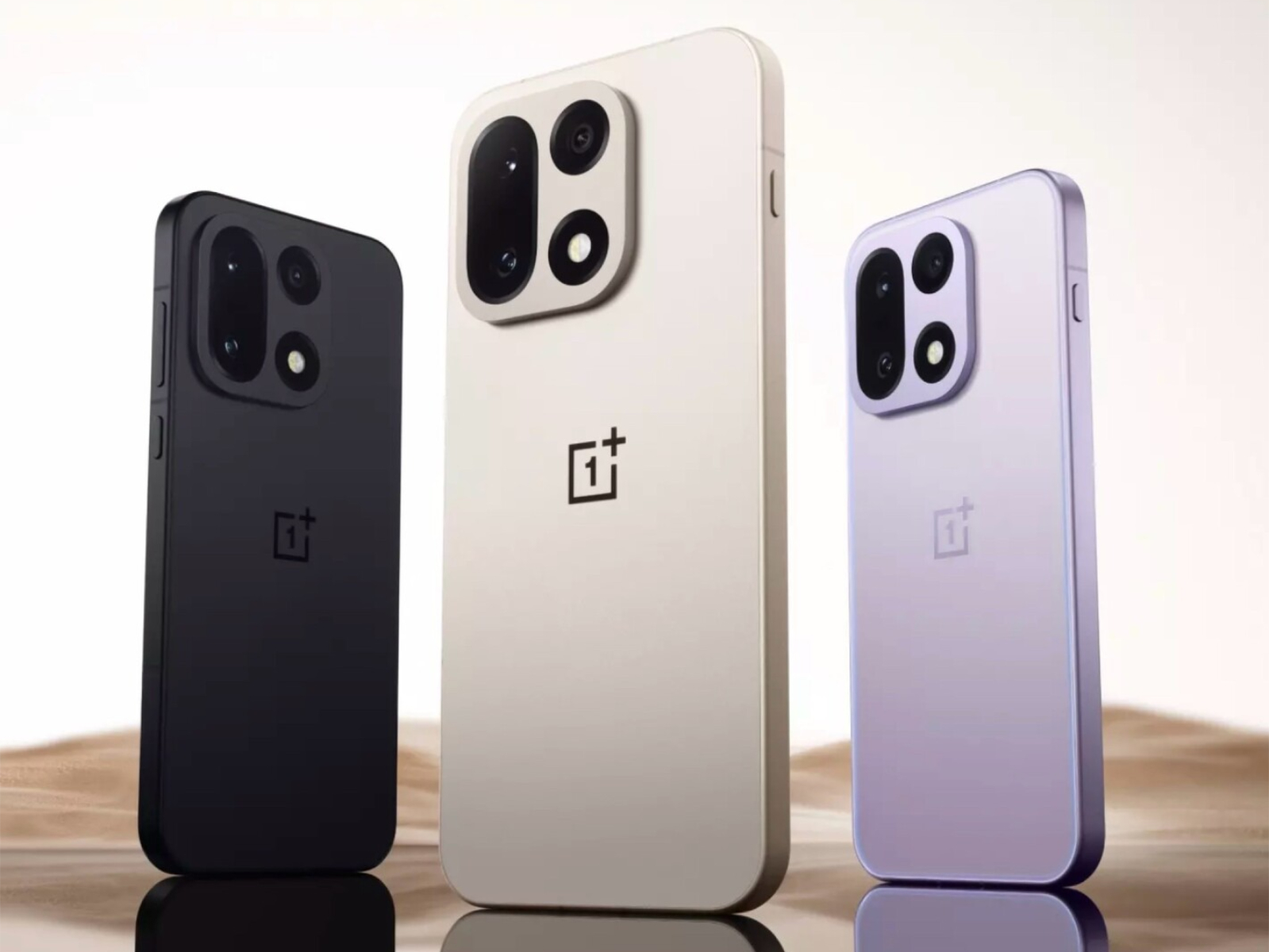
A fresh round of premium smartphones from major Chinese brands is starting to take shape, and early leaks suggest buyers should brace for higher starting prices, even if the core configurations stay the same.
According to well-known tipster Digital Chat Station, OnePlus, iQOO, and Xiaomi’s Redmi sub-brand are aligning their next flagship releases around similar pricing targets in China. OnePlus is also reportedly preparing a OnePlus 15T launch for the Chinese market, adding to the growing list of upcoming high-end models expected in the next cycle.
To understand why this matters, it helps to look at where pricing sits today. Xiaomi’s current flagship pricing begins around CNY 4,499 (about $655) in China, with street pricing dipping closer to CNY 4,299 (around $625). In the more value-focused flagship space, a device like the Redmi K90 Pro Max starts at CNY 3,999 (about $580) when equipped with 12 GB of RAM and 256 GB of storage. That same 12 GB/256 GB combination is also positioned as a common entry point for premium Android phones in this segment.
Here’s the big change: the leak claims that upcoming “next-generation 2nm flagship” phones from these brands could see noticeable price increases. Xiaomi and Oppo are tipped to join iQOO in pushing prices upward for their next wave of top-tier devices, likely influenced by the rising cost of cutting-edge manufacturing and components associated with next-gen chip production.
However, there may be one silver lining for shoppers. Despite the rumored price hikes, the base memory configurations aren’t expected to improve. Instead of moving to higher entry-level specs, OnePlus, iQOO, and Redmi are said to stick with 12 GB RAM and 256 GB storage as the standard starting option—even on more expensive flagships.
So how high could prices go? Digital Chat Station suggests the next OnePlus, iQOO, and Redmi flagship launches may start around CNY 5,000 (roughly $725). If accurate, that would represent a significant jump versus current models. In Redmi’s case, a future K100 Pro Max could end up costing more than 25% above the K90 Pro Max’s current starting price, marking a major shift for a brand line that has traditionally competed aggressively on value.
If these leaks hold true, the next flagship season could look very different: higher prices across the board, familiar base specs, and a growing premium attached to next-generation 2nm hardware. For buyers, that means paying closer attention than ever to launch pricing, early discounts, and whether the real-world gains of next-gen chips justify the extra cost.