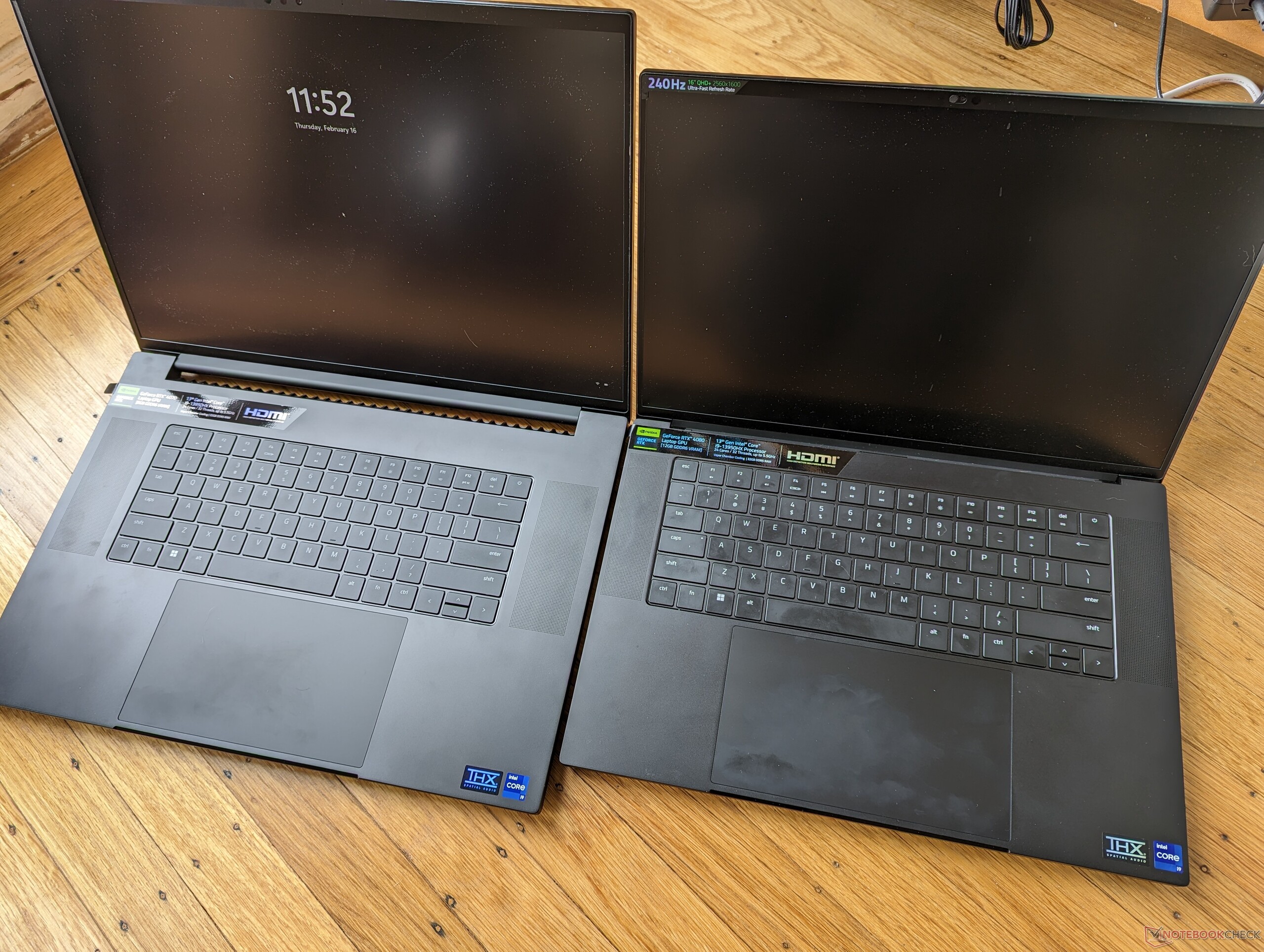
In the world of gaming laptops, an intriguing trend is surfacing for 2025. It appears that manufacturers are shifting gears, opting to blend older and newer technologies to enhance gaming experiences. According to whispers from industry insiders, many Original Equipment Manufacturers (OEMs) are reportedly choosing not to integrate the upcoming Arrow Lake-HX or Zen 5 CPUs into their new gaming laptops. Instead, they are pairing the upcoming GeForce RTX 50 GPUs with existing processors like Zen 4, Meteor Lake, and Raptor Lake.
Intel’s latest innovations, built on the Lunar Lake architecture, have attracted attention, yet they seem more tailored for power-efficient uses rather than the high-stakes demands of gaming. Arrow Lake-HX chips, which could potentially supercharge laptops, are not expected to make an appearance until CES 2025. This delay might be influencing OEMs to rely on robust, current-generation processors such as the 14th-gen Raptor Lake or high-caliber Meteor Lake versions. A standout prediction is the frequent use of the Core i7-14650HX, anticipated to become a staple in many gaming machines.
The scenario with AMD is equally fascinating. Despite the existence of Strix Point processors, which are already popular in certain laptop models together with the Ryzen AI 9 HX 370 and GeForce RTX 40 series GPUs, the forthcoming RTX 50 series will likely be combined with Zen 4 CPUs. Think along the lines of Ryzen 7000 or Ryzen 8000 series, which could redefine laptop gaming in a unique way.
While some might be disappointed by the seeming lack of wholly next-generation hardware, this strategic pairing isn’t necessarily a setback. Previous-generation processors are known to handle gaming tasks proficiently and should complement the advanced capabilities of the GeForce RTX 50 GPUs well. Next year’s gaming laptops could indeed feature a unique mix: new-generation graphics cards alongside refined, reliable CPUs from the recent past, promising a seamless gaming experience without compromising performance.