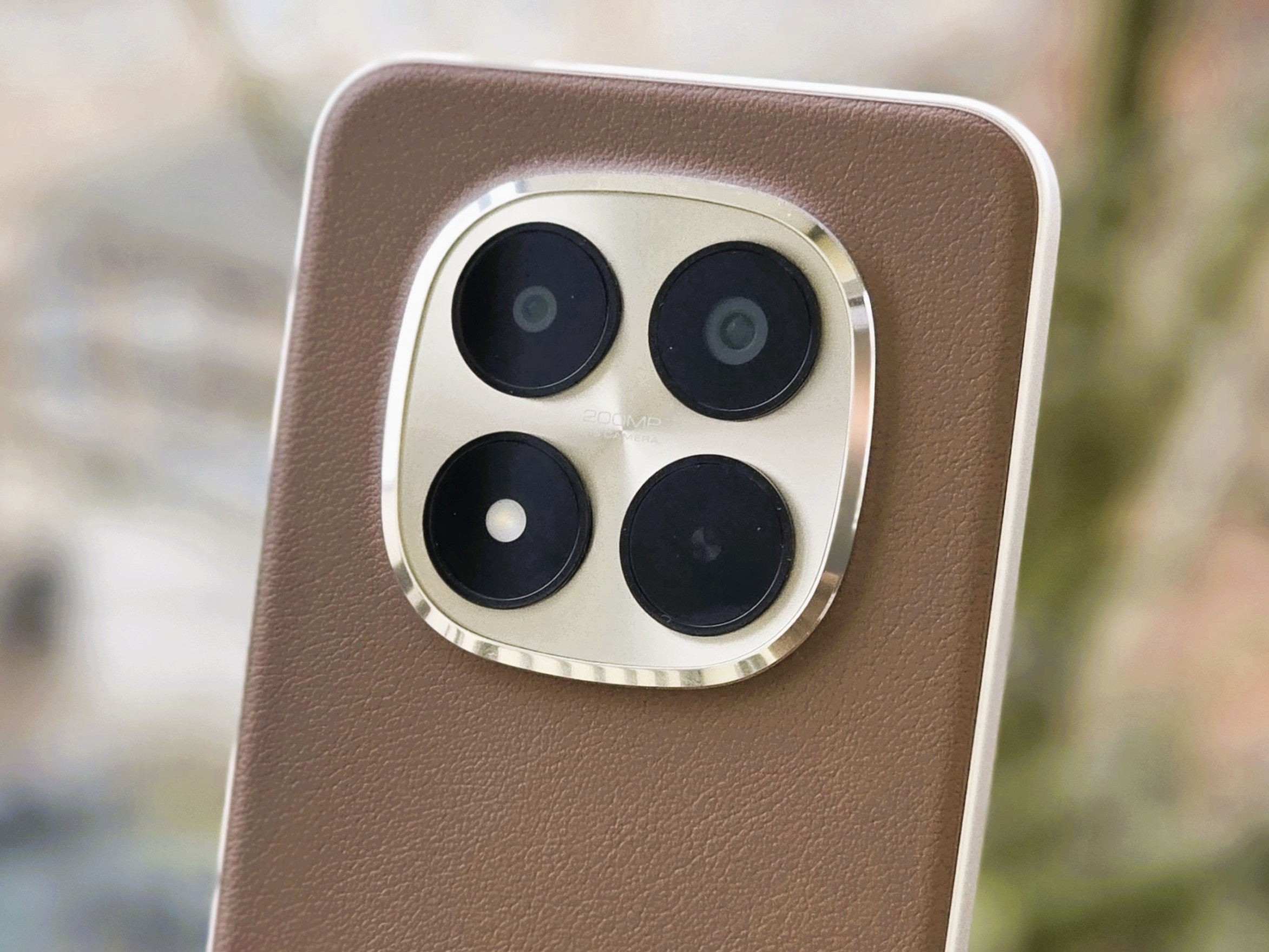
Samsung and Xiaomi are proving that you don’t need perfect conditions to get impressive smartphone photos anymore. A recent side-by-side look at two 200MP camera phones highlights just how close the gap has become between a premium flagship and a well-equipped mid-range device—especially in bright daylight.
In good lighting, both phones’ 200MP main cameras capture sharp, well-balanced images with plenty of detail. The Redmi Note 15 Pro Plus holds its own surprisingly well, delivering punchy photos that look crisp at a glance. That said, those images can appear a little more artificially sharpened, giving fine textures a slightly “processed” look compared to Samsung’s more refined output. Overall, the Galaxy S25 Ultra still comes out ahead for image quality, but the difference in daytime photography isn’t as dramatic as many people might expect from a flagship-priced phone.
Interestingly, previous flagship comparisons have shown more obvious weaknesses in dynamic range in certain challenging scenes, but in this matchup the results are far less extreme. That raises an intriguing question for camera phone fans: is Xiaomi doing an unusually great job optimizing its mid-range camera performance, or does Samsung have room to improve the main camera results on its top-tier model? Either way, the takeaway is clear—mid-range camera phones are getting seriously competitive.
Low-light photography is where the Galaxy S25 Ultra creates more separation. In night shots, Samsung’s images come out noticeably sharper, largely thanks to shorter exposure times. This helps reduce blur and keep edges and details cleaner as lighting conditions fall. By comparison, when the light gets worse, the Redmi Note 15 Pro Plus starts losing fine detail, and textures can look softer.
However, the Redmi does manage one advantage in tricky nighttime scenes: bright light sources are less likely to blow out. While Samsung’s flagship captures sharper night images overall, it can also clip highlights more aggressively, making lamps and illuminated signs appear harsher or more washed out.
For anyone shopping for the best camera phone experience, this comparison reinforces a few important points: a 200MP camera can deliver excellent daylight photos on both mid-range and flagship smartphones, but software processing and exposure choices still define the final look—especially at night. If you take most of your photos in daylight, today’s strong mid-range camera phones may be more than enough. If you frequently shoot in low light and want the sharpest results, the flagship still has a clear edge.