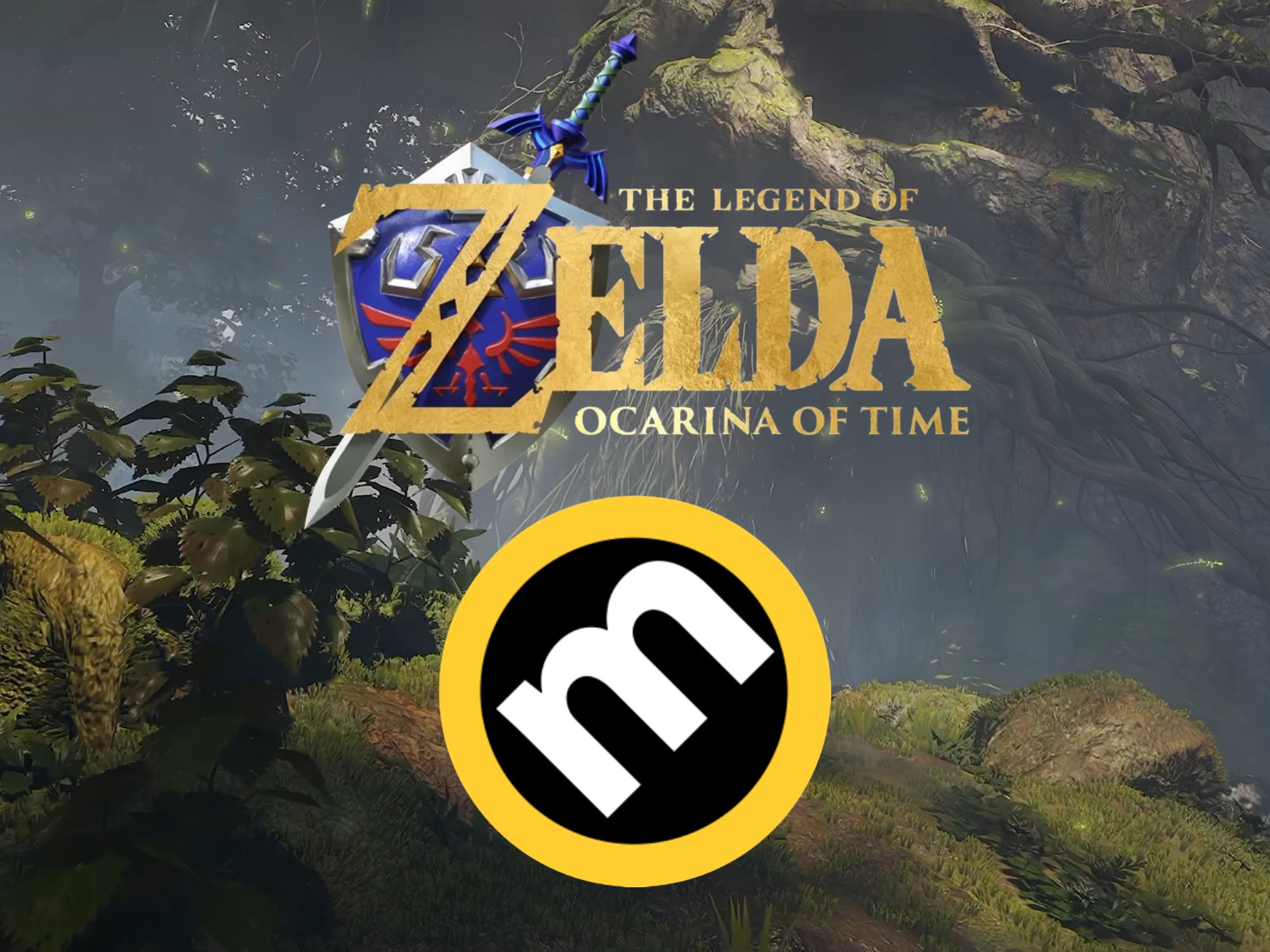
Zelda: Ocarina of Time Remake Scores Big on Switch 2, But One Mixed Review Sparks Fan Backlash
The Legend of Zelda: Ocarina of Time remake has quickly become one of the most celebrated Nintendo Switch 2 releases of 2026, earning widespread praise from critics and players alike. With an outstanding 95 Metascore, the modernized version of the legendary Nintendo 64 classic currently stands as one of the highest-rated games of the year.
However, not every review has followed the overwhelmingly positive trend. A mixed 3.5 out of 5 score, equivalent to 70 out of 100, has stirred debate among fans, especially because it arrived after the review embargo had already lifted and after the game’s release. By that point, more than 100 critic scores had already shaped a strong consensus around the remake’s quality.
The lower rating slightly pulled the game’s average down from 96 to 95, a small change on paper but one that has frustrated many Zelda fans. Some players believe the score was intentionally contrarian, arguing that publishing a noticeably lower review after the critical consensus had formed made it stand out more.
The publication behind the mixed review has a history of scoring major acclaimed games lower than most other critics. In the past, it gave The Legend of Zelda: Breath of the Wild a 60 despite its 97 Metascore, rated Red Dead Redemption 2 at 70 while the broader critical average sat near 97, and assigned Sekiro: Shadows Die Twice a strikingly low 40 despite its Game of the Year reputation.
At the center of the debate is whether The Legend of Zelda: Ocarina of Time needed another remake at all. The original game has already returned several times since its 1998 debut, including a Nintendo 3DS version in 2011 and availability through Nintendo’s online classic game catalog.
The mixed review questioned the value of revisiting the iconic adventure yet again, especially at a time when major publishers are increasingly leaning on remakes and remasters. Some players agree that the gaming industry has become heavily dependent on nostalgia, but others argue that Ocarina of Time is exactly the kind of landmark title that deserves a full modern update.
Interestingly, the same review also praised several key elements of the remake, including its upgraded visuals, smoother combat, and respect for the original design. That has only intensified fan criticism, with many wondering how a game could receive such compliments while still landing far below the broader critical average.
Another point that angered longtime Zelda fans was the suggestion that the original Ocarina of Time was only occasionally fun. For many players, the 1998 adventure remains one of the most influential and beloved games ever made, often credited with redefining 3D action-adventure design.
Despite the controversy, the Switch 2 remake remains a major success. Its 95 Metascore keeps it at the top of the 2026 rankings, and player reception has been just as strong. Even after attempts at review bombing, the game holds an impressive 9.6 user score, showing that fans are still overwhelmingly embracing Link’s return to Hyrule.
The debate ultimately highlights a familiar tension in gaming culture: how much weight should one outlier review carry when nearly everyone else is praising a game? In the case of The Legend of Zelda: Ocarina of Time remake, the answer may not matter much. The game is still one of the most acclaimed releases of the year, and its reputation as a must-play Nintendo Switch 2 title appears firmly intact.