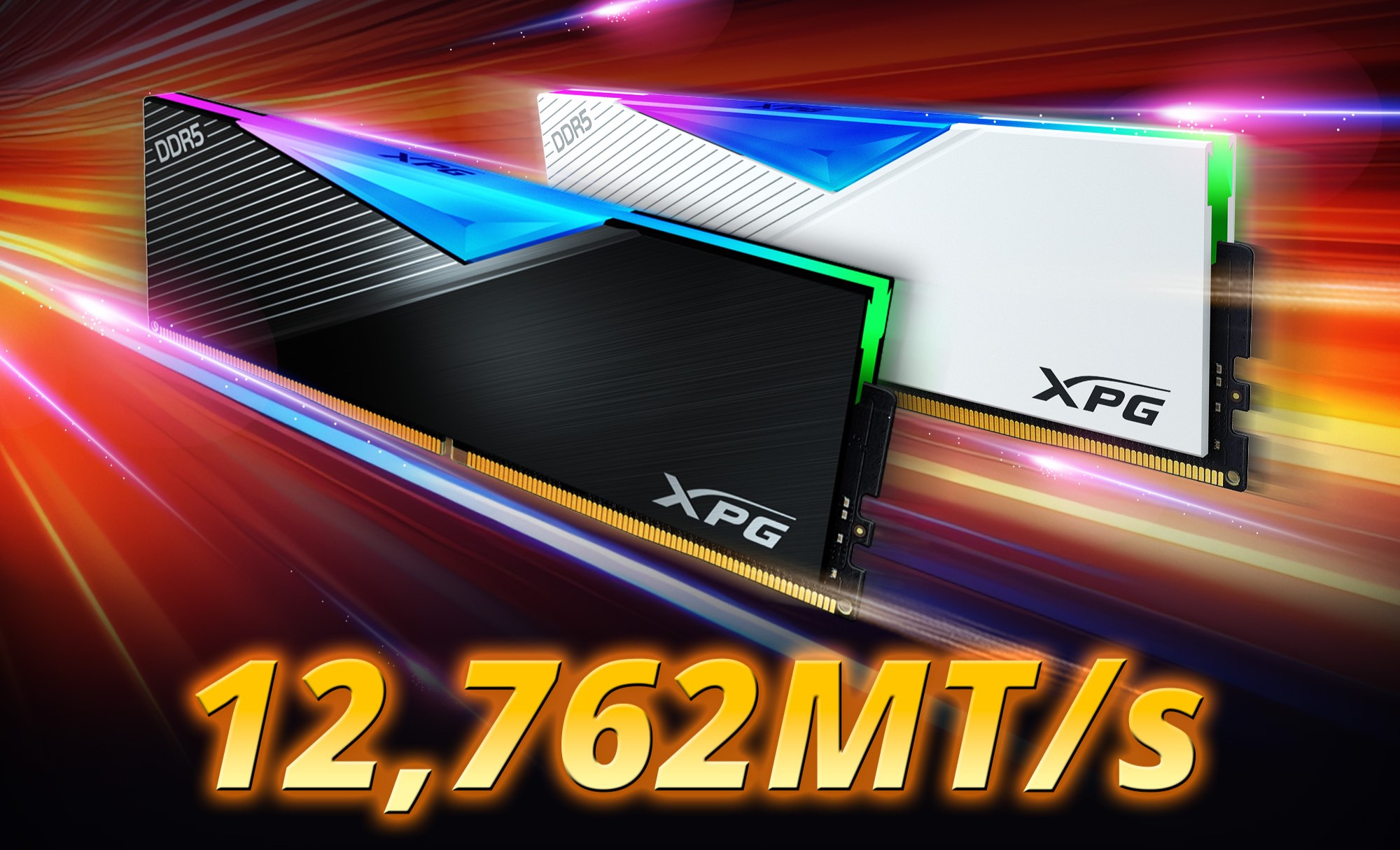
In a stunning display of technical prowess, world-class overclocker Hicookie has once again pushed the boundaries of memory speed, setting a new world record with the XPG LANCER RGB DDR5 memory. Utilizing the Gigabyte Z890 AORUS Tachyon ICE platform, Hicookie surpassed his previous benchmarks, propelling memory speeds to jaw-dropping new heights.
Previously, Hicookie had achieved phenomenal speeds using V-Color Manta XFinity DDR5 memory, attaining an impressive 12,726 MT/s with the aid of liquid nitrogen cooling. The stifling pace of advancement continued when he switched to XPG LANCER RGB DDR5, a decision that paid off extravagantly as he reached a staggering speed of 12,762 MT/s.
Though the cache latency timings for the new record remain undisclosed, it mirrors his former record at CL68-127-127-254. It’s important to note that while reaching such high speeds is a remarkable feat, these achievements are primarily enjoyed as a hobby rather than for practical applications, as the memory performance can be affected by latency even at higher speeds.
XPG, a gaming brand under ADATA, has celebrated this incredible accomplishment, emphasizing how Gigabyte’s use of machine learning and AI during the memory’s development phase played a crucial role. This technology helped stabilize the memory at such superlative speeds by identifying and optimizing specific parameters.
For those interested in the technical details, the XPG LANCER DDR5 memory comes with high-quality Power Management Integrated Circuit (PMIC) chips and Error Correction Code (ECC) support. It is compatible with both XMP 3.0 and AMD EXPO, boasting speeds from 6000 MT/s to 8000 MT/s. The memory is available in various capacities ranging from 16 GB to 48 GB, catering to a wide range of user needs.
Overall, this achievement not only reflects the dedication and skill in the world of overclocking but also highlights the innovative engineering behind modern memory technology.


