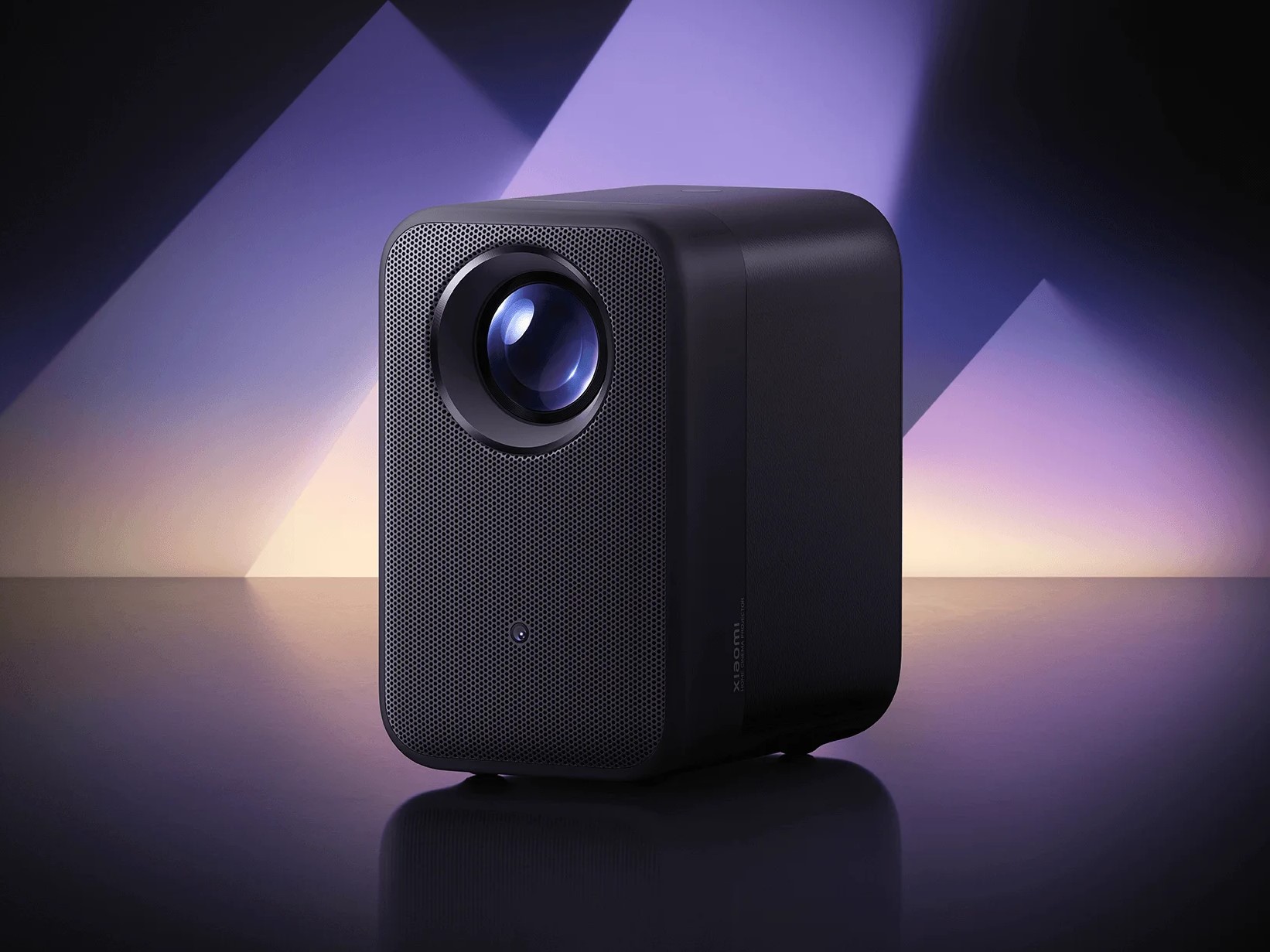
The Xiaomi Smart Projector L1 Pro is making waves as it gears up for a global launch, offering an upgrade that promises to excite tech enthusiasts and home entertainment lovers alike. With an impressive enhancement in brightness, this model stands out from its predecessor, the Smart Projector L1, by boasting double the peak brightness — jumping from 200 to 400 ISO lumens. This leap means clearer and more vibrant images projected with a recommended maximum size of 100 inches, although it can handle up to 120 inches with ease.
Designed with convenience and performance in mind, the L1 Pro maintains the same cutting-edge LCD technology that delivers images in rich 1080p resolution with a reliable 1.2:1 throw ratio. Effortless setup is part of the package thanks to features such as auto focus, auto keystone correction, and intelligent obstacle avoidance, ensuring every viewing experience is as smooth as the last.
Experience entertainment like never before with the Google TV-powered Android interface that brings a world of content to your fingertips. Stream your favorite shows and movies seamlessly, and with the support of Chromecast, casting from your other devices is a breeze. Connectivity options are modern and plentiful, including Bluetooth 5.0 and dual-band Wi-Fi (2.4GHz/5GHz), ensuring you stay connected at all times.
Sound quality hasn’t been overlooked either, with two built-in 5W speakers that deliver crisp audio, bolstered by Dolby Audio for an immersive listening experience. While the excitement builds for its anticipated release, Xiaomi remains tight-lipped about the pricing details and exact launch dates for the Smart Projector L1 Pro. Competition in the market is fierce, with rivals such as the Anker Nebula Mars 3 Air projector offering formidable features at competitive prices.
As tech fans eagerly await more information, the Xiaomi Smart Projector L1 Pro’s promising specifications hint at a new level of home entertainment that could redefine how we perceive visual media in our living spaces.


