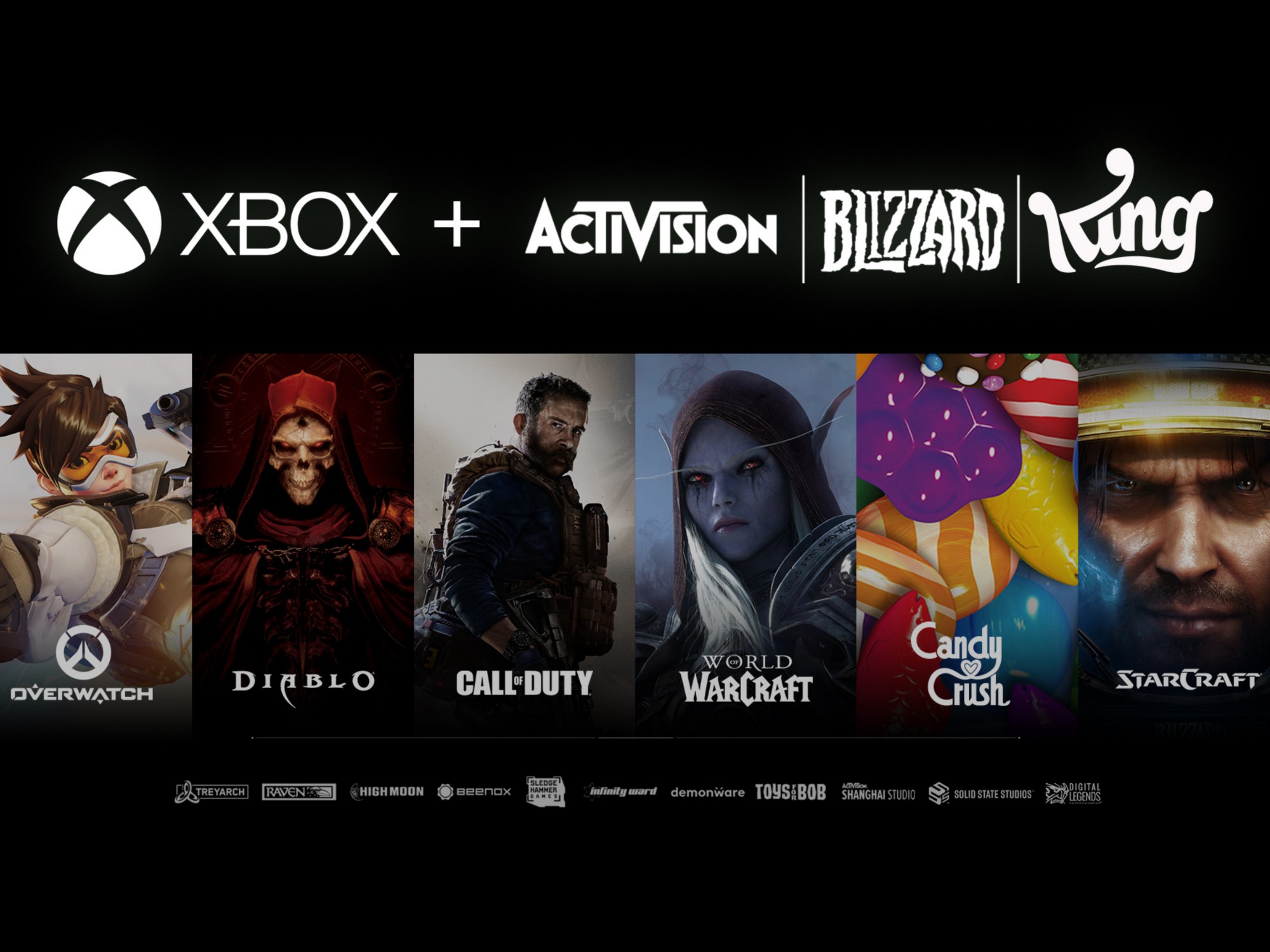
Another Xbox Game Pass price hike has reignited debate over the long-term impact of Microsoft’s Activision Blizzard acquisition. The increase lends weight to FTC chair Lina Khan’s warning that when a single player consolidates power, consumers often end up paying more.
During 2023 court proceedings, Microsoft pushed back on concerns that the merger would lead to higher subscription fees. Fast-forward a few years, and the Ultimate tier now costs $29.99 per month, while cheaper plans have been cut back on perks. Add in more expensive Xbox hardware, and some analysts argue the merger, along with questionable strategy choices, has made gaming costlier for everyday players.
It’s also true that not every fear about the deal has come to pass. The FTC worried Microsoft could use its expanded catalog to squeeze rivals, especially by locking major franchises behind exclusivity. Instead, blockbuster titles like Call of Duty remain on PS5, and in some cases availability on competing platforms has even broadened.
Zooming out, rising prices are not limited to one ecosystem. PlayStation has faced criticism over its digital storefront practices, with consumer groups claiming the platform has made it harder for third-party sellers to offer cheaper digital games. Sony has raised the cost of both PlayStation Plus and PS5 hardware in various regions, with tariffs sometimes cited among the reasons. Meanwhile, Nintendo continues to keep the original Switch, first-party games, and accessories at stubbornly high MSRPs years into the console’s lifecycle.
Even so, Microsoft is catching the most heat right now. That’s partly because subscription gaming has become the centerpiece of its strategy, making price changes feel immediate and unavoidable to millions of players. With Ultimate hitting $29.99 and entry-level tiers shedding benefits, the value proposition that once made Game Pass a no-brainer is under pressure.
What to watch next:
– Whether Microsoft retools its tiers to restore value without further price shocks
– How quickly competitors adjust their own subscription and hardware pricing
– The fate of day-one releases on subscription plans as costs escalate
– Ongoing regulatory scrutiny of consolidation and its impact on consumer prices
For gamers, the takeaway is simple but frustrating: subscription convenience isn’t immune to inflation or corporate course corrections. As platform holders chase profitability, expect sharper trade-offs between price, perks, and platform loyalty across Xbox, PlayStation, and Nintendo.