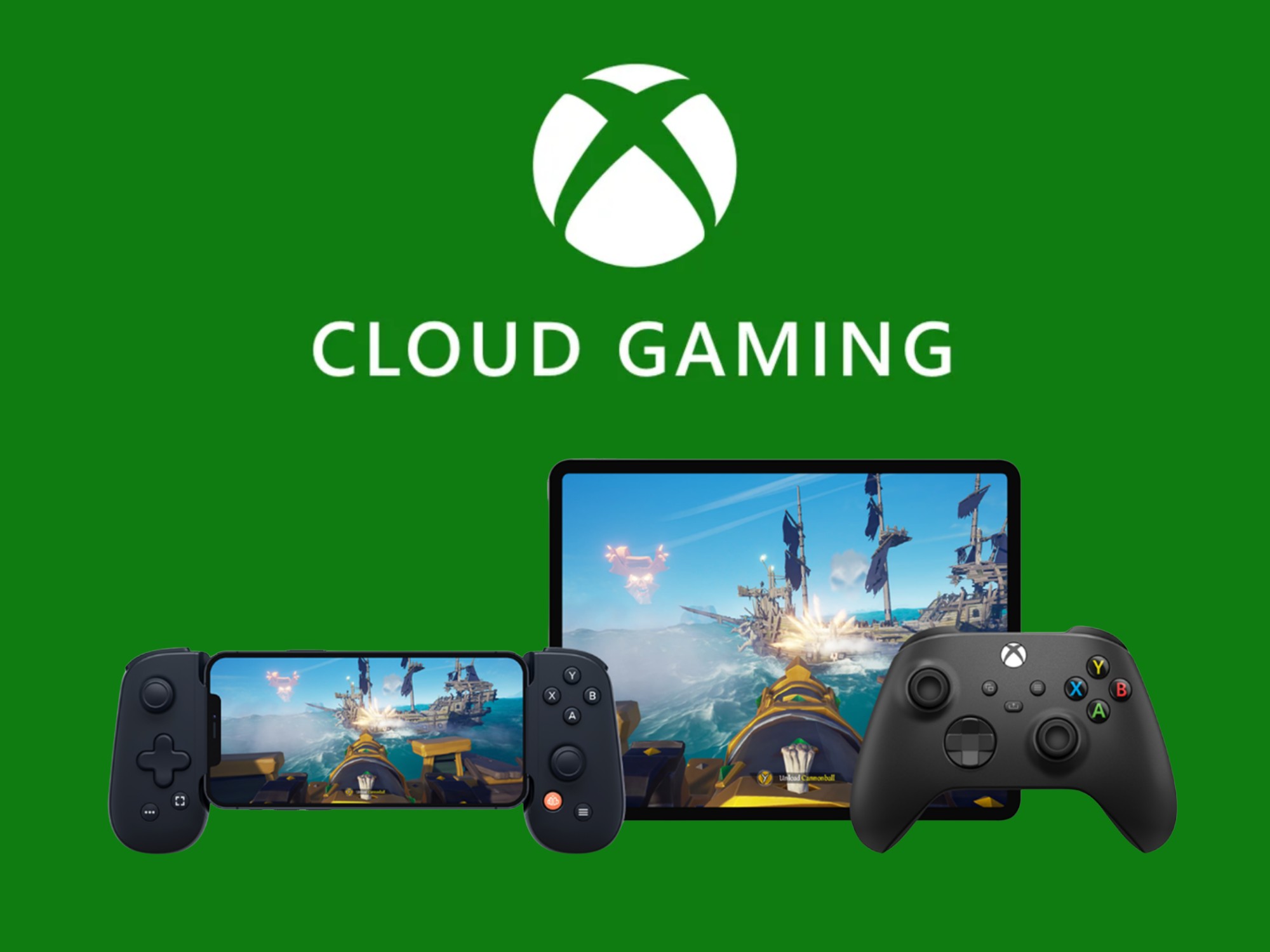
Xbox cloud gaming is about to get a major shake-up, and heavy users may soon need to pay extra to keep playing.
Microsoft is ending unlimited Xbox cloud streaming for Game Pass subscribers starting in November. Instead of open-ended access, players will receive a fixed number of cloud gaming hours each month based on their subscription tier. Once that limit is reached, users will need to buy additional playtime through the Xbox Store if they want to continue streaming.
Under the new system, Game Pass Ultimate subscribers will get 15 hours of cloud streaming per month. Game Pass Premium members will receive 10 hours, while Game Pass Essential users will be limited to 5 hours monthly.
For casual players who only use cloud gaming occasionally, these limits may not be a big issue. But for people who regularly stream Xbox games on phones, tablets, handhelds, smart TVs, or lower-powered devices, the change could make cloud gaming more expensive and less convenient.
Microsoft says the decision is tied to rising server infrastructure costs. Running cloud gaming services requires powerful data centers, constant maintenance, and large-scale bandwidth support, especially as more players try streaming games instead of downloading them. According to the company, only around 4 percent of current subscribers are expected to hit the new monthly limits.
Still, the move marks a clear shift in Microsoft’s cloud gaming strategy. Until now, Xbox cloud streaming has been one of the biggest selling points of Game Pass Ultimate, giving players the ability to jump into supported games without installing them. The upcoming cap changes that value proposition, especially for users who rely on cloud play as their main way to access Xbox games.
Another major change is that Xbox cloud gaming will no longer be tied exclusively to Game Pass. Beginning in November, players who own digital Xbox games will be able to purchase cloud playtime separately and stream titles from their existing library without needing an active Game Pass subscription.
That could be good news for players who prefer buying games outright instead of paying for a monthly subscription. It means Xbox cloud gaming may become more flexible, allowing users to pay only for the streaming time they actually need. However, it also introduces a new paid layer to a feature many subscribers have grown used to having without strict time limits.
Microsoft has not yet revealed the exact pricing for extra cloud gaming hours. The company is expected to sell top-up bundles through the Xbox Store, and unused purchased hours will reportedly carry over into the next month. That rollover feature may soften the blow for some users, but the overall value will depend heavily on the final pricing.
The 15-hour monthly limit for Game Pass Ultimate is already drawing attention because it may feel restrictive for dedicated cloud gamers. Fifteen hours works out to roughly 30 minutes of playtime per day over a month. For players who enjoy long sessions in role-playing games, racing titles, shooters, or open-world adventures, that allowance could disappear quickly.
The new limits also raise questions about the future of cloud gaming as a mainstream alternative to traditional consoles. Cloud gaming has long been promoted as a way to make high-quality games available almost anywhere, without needing expensive hardware. But if streaming time becomes tightly limited or costly, some players may return to downloading games locally or using dedicated gaming devices instead.
For Microsoft, the challenge will be balancing cost control with customer satisfaction. Cloud gaming is expensive to operate, but it is also an important part of Xbox’s broader ecosystem. If the new pricing for extra hours feels fair, casual users may accept the change without much resistance. If top-up bundles are too expensive, however, the move could frustrate some of the service’s most active players.
Starting in November, Xbox Game Pass subscribers should keep a closer eye on how often they use cloud streaming. Casual users may barely notice the change, but frequent streamers will need to plan their playtime more carefully or prepare to pay extra once their monthly limit runs out.