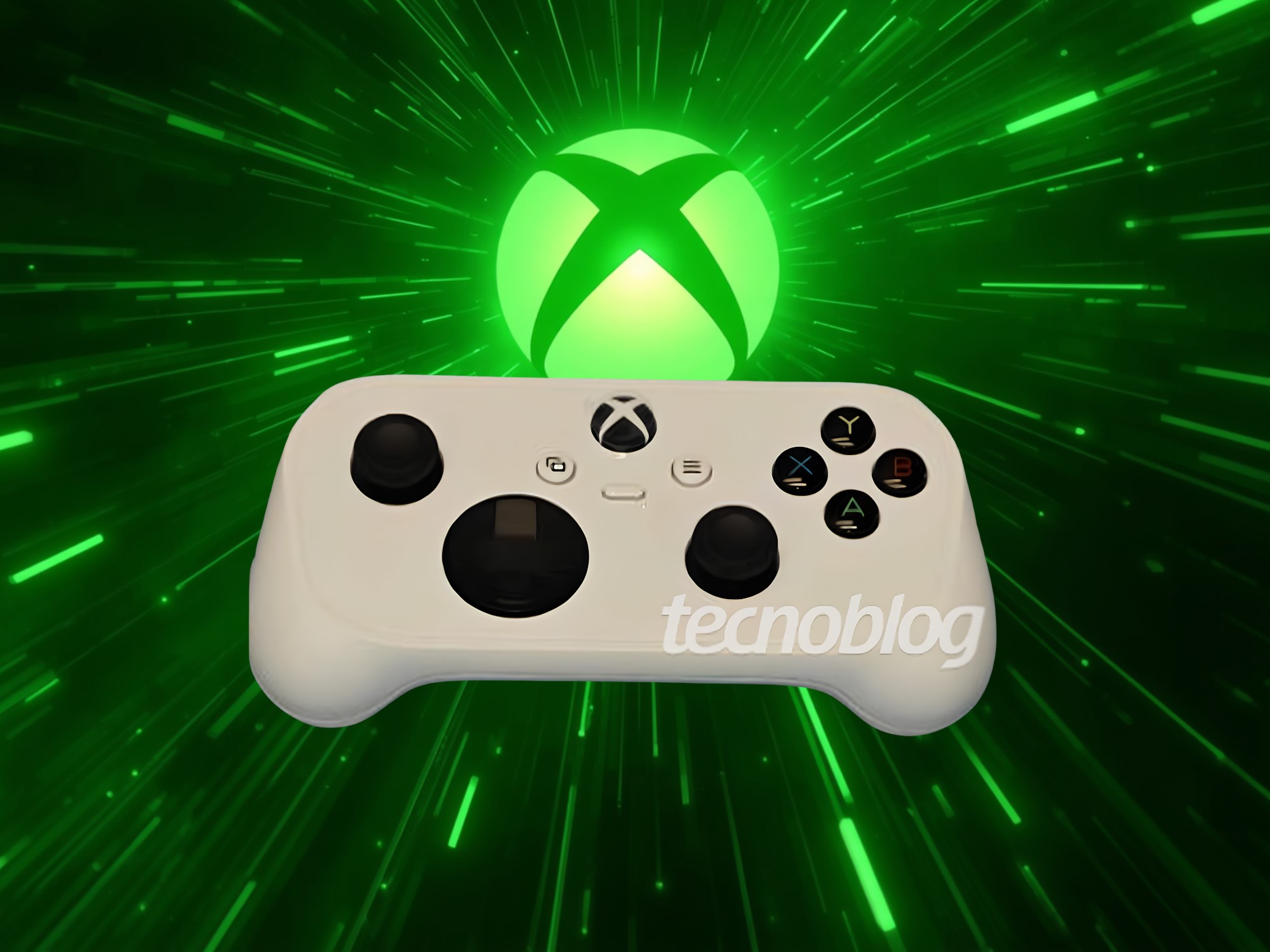
Leaked Xbox Cloud Gaming controller may be in trouble as Game Pass limits raise questions
Microsoft’s rumored Xbox Cloud Gaming controller is once again the center of attention, but not necessarily for the reason fans hoped. After appearing in a regulatory leak earlier in 2026, the wireless controller was believed to be designed specifically for cloud gaming, with direct connectivity to Microsoft’s servers to help reduce input lag. Now, new reports suggest the device may have been paused or even canceled, leaving its future uncertain.
The controller reportedly surfaced through a Brazilian regulatory filing, where it appeared in black and white versions. At first glance, it looked like a more compact Xbox controller, keeping the familiar button layout while trimming down the overall design. Its most important feature, however, was said to be Wi-Fi 6 support, allowing it to connect directly to Xbox Cloud Gaming instead of sending inputs through a phone, tablet, TV, or PC first.
That could have been a major advantage. Traditional cloud gaming setups often rely on Bluetooth, which can add a small but noticeable delay between pressing a button and seeing the action happen on screen. A controller built to communicate directly with cloud servers could make streaming games feel more responsive, especially for fast-paced titles where timing matters.
The future of the device may have been affected by Microsoft’s Activision Blizzard acquisition. During the approval process, regulators raised concerns that Microsoft could gain too much control over the cloud gaming market. To ease those concerns, Microsoft made several concessions, including arrangements involving Activision content and partnerships with other cloud gaming services.
While the acquisition was eventually completed, the rumored cloud controller may have become a casualty of that process. Some claims suggest Microsoft shelved a similar accessory during the regulatory battle. However, the situation remains unclear, as other reports say the company has denied canceling the device.
Even if the controller still exists behind the scenes, the market for it may be shrinking. Xbox Cloud Gaming is facing new pressure due to upcoming Game Pass restrictions. Starting in November 2026, some Game Pass plans are expected to include monthly cloud gaming limits, with caps reportedly ranging from 5 to 15 hours depending on the tier. Players who want more time may need to pay extra.
That change could make a dedicated Xbox Cloud Gaming controller less appealing. If subscribers only have a limited number of hours each month, fewer people may be willing to buy hardware designed mainly for streaming. The situation is made more complicated by rising subscription costs, with the Ultimate plan already priced at $23 per month.
Support changes on older smart TVs also add to the uncertainty. Some 2020 TV models are losing access to Xbox Cloud Gaming, reducing the number of living room devices that can use the service without a console. For a product built around easy cloud access, fewer supported screens could limit its audience.
Still, Microsoft may not be ready to give up on cloud gaming hardware. Earlier in 2026, Xbox executive Asha Sharma described cloud gaming as an important way to reach more players. With console prices continuing to climb, cloud gaming remains a cheaper entry point for people who want to play Xbox games without buying dedicated hardware.
That is where a low-latency Xbox Cloud Gaming controller could still make sense. If Microsoft can solve pricing concerns, improve availability, and keep the streaming experience smooth, a dedicated controller could help make cloud gaming feel more like playing on a console.
For now, the leaked Xbox Cloud Gaming controller sits in uncertain territory. It could still return as part of Microsoft’s long-term cloud strategy, or it could remain an abandoned experiment from a time when the company had bigger ambitions for game streaming. Its fate may depend on whether Xbox Cloud Gaming can convince players that the future of gaming is not just downloaded or installed, but streamed.