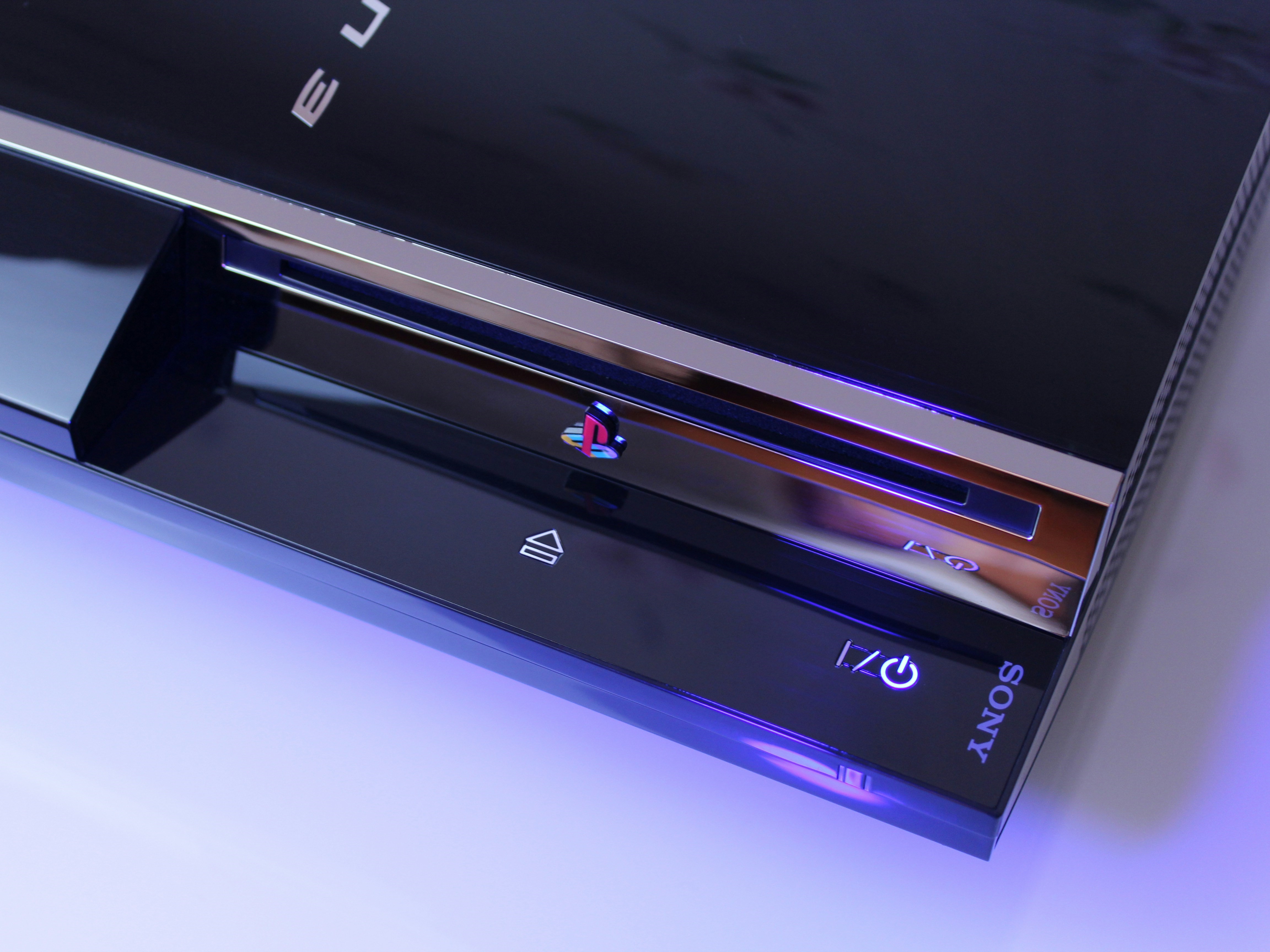
The team behind RPCS3, one of the most widely used PlayStation 3 emulators, has shared its official system requirements—and they’re noticeably higher than many people expected for a console that originally launched in 2006.
According to the developers, RPCS3 recommends the following PC specs for a solid experience:
A Ryzen 5 5600 or Intel Core i5-10400
16 GB of RAM
A Radeon RX 5600 XT or GeForce RTX 2060
Windows 11 or Linux
Seeing these specs laid out sparked a familiar question across the emulation community: why does software designed to run PS3 games need a PC that’s far more powerful than the PS3 itself? Some users pointed directly to the CPU and RAM recommendations, while others were surprised that the processor demands seem so high compared to the graphics card.
To address that confusion, the RPCS3 developers clarified what really makes PS3 emulation so demanding—and why CPU power matters far more than most people assume.
The PS3’s architecture is the real challenge, not the graphics
RPCS3’s team explains that PlayStation 3 emulation isn’t simply about “matching” the console’s specs. The PS3 used a unique Cell processor design that included two different instruction set styles within the same chip (PPC plus SIMD) along with an 8-core setup. Recreating that behavior accurately on modern PCs is complex, and it places a heavy workload on the processor rather than the GPU.
In practical terms, the emulator’s performance is driven primarily by the CPU, followed by the operating system and system memory. The graphics card matters too, but it’s not the main bottleneck for most PS3 emulation tasks.
Why the CPU matters most for RPCS3 performance
Because the hardest part of emulating the PS3 happens on the CPU side, anyone aiming for top-end results should prioritize processor performance first. The developers note that maximum performance targets can involve extremely powerful modern CPUs, while the GPU recommendations remain comparatively less extreme. The message is clear: if you’re building or upgrading a PC specifically for RPCS3, spending more of your budget on a strong CPU and sufficient RAM will typically deliver better results than focusing primarily on the GPU.
You don’t have to emulate to play PS3 games
It’s also worth noting that emulation isn’t the only route for revisiting the PS3 era. PS3 games are still available through official digital storefront options in some cases, and refurbished PS3 consoles are widely available through major resale marketplaces. For players who prefer original hardware—or who don’t want to invest in a CPU-heavy PC build—those remain viable alternatives.
Ultimately, RPCS3’s requirements aren’t about brute-forcing old games with new parts. They reflect how unusually complex the PS3 was—and how much work a modern PC has to do to replicate that console accurately and smoothly.