Just recently, Apple was shipping MacBooks with 8 GB of soldered RAM, but times have changed. Now, 16 GB is the standard minimum for most laptops, with 32 GB becoming a common choice, whereas it was once considered a luxury. However, the tech landscape is evolving rapidly, and even 32 GB might soon be insufficient for some users. This shift is largely driven by the emergence of powerful local applications that demand more RAM. Laptops with upgradeable RAM offer an edge, sometimes allowing up to 96 GB through two SO-DIMM slots.
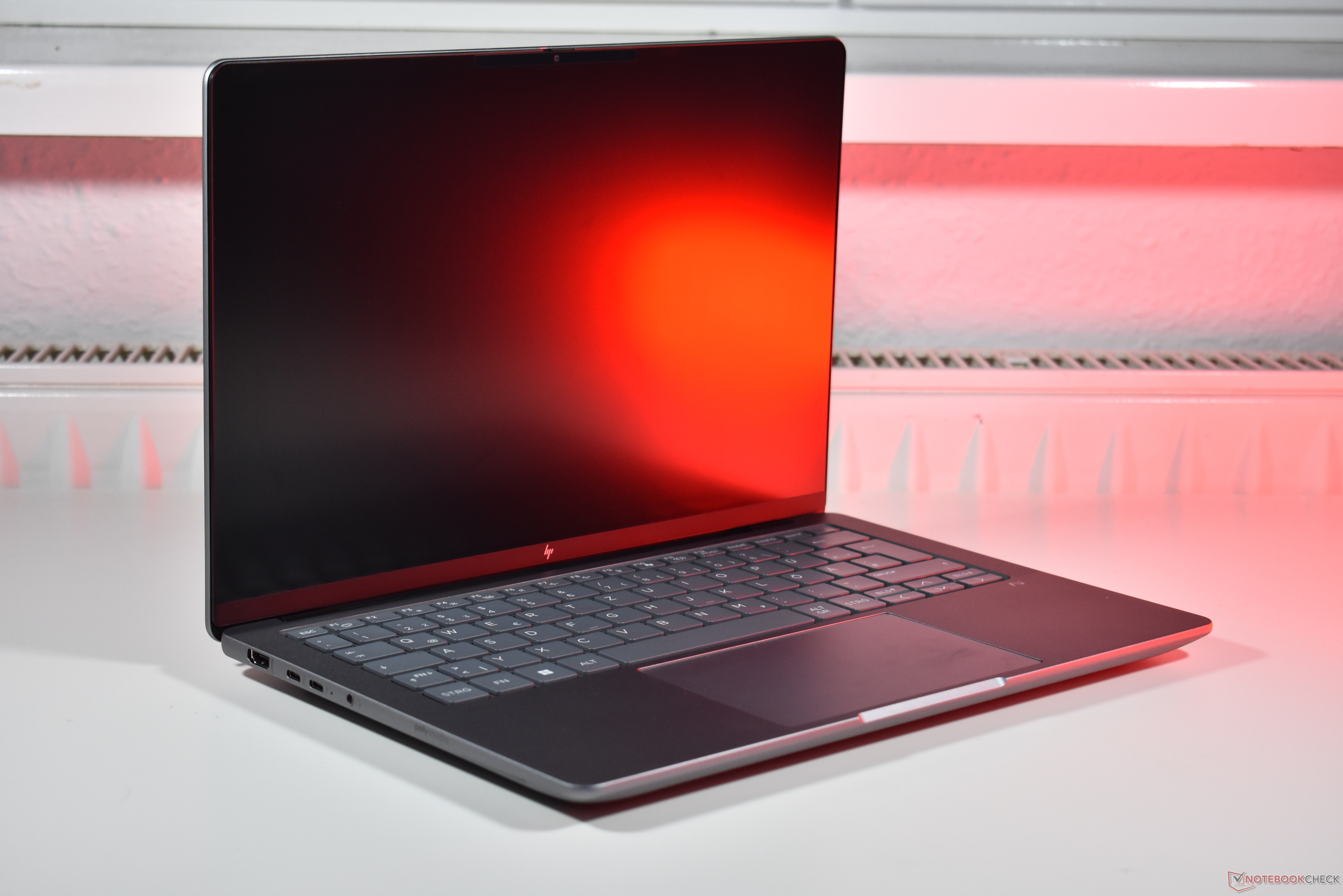
Certain scenarios underscore why 32 GB may fall short: laptops with high-performance integrated GPUs that utilize system memory instead of dedicated VRAM. Take, for example, the HP ZBook Ultra G1a 14. This compact 14-inch workstation laptop is powered by an AMD Ryzen AI Max Pro 390, a twelve-core Zen5 CPU with a robust integrated GPU, the AMD Radeon RX 8050S. In performance tests, this GPU rivals older mid-range mobile GPUs from Nvidia, like the RTX 3000 Ada.
However, the reviewed model of the HP ZBook Ultra only came with 32 GB of soldered RAM, which is not upgradeable. The integrated GPU relies on the system RAM as VRAM, and users can adjust the VRAM setting in the BIOS. By default, it’s set to 8 GB, which falls short for demanding applications, such as some games that might not run at all. With just 32 GB, increasing the VRAM is problematic—switching to 16 GB for VRAM leaves only 16 GB for other operations.
Therefore, for a device like the HP ZBook Ultra G1a 14, 32 GB of RAM does not suffice. It’s advisable to opt for at least 64 GB. As more laptops emerge with powerful integrated GPUs, like the Strix Halo, the trend towards higher RAM requirements is likely to continue.