Imagine a Call of Duty movie directed by Steven Spielberg. According to new industry chatter, that almost happened—until negotiations reportedly fell apart over creative control. The legendary filmmaker is said to have pitched his take on a big-screen adaptation, but the deal didn’t move forward because he wanted complete authority over the project, including the final cut and control of marketing. Activision, now under Microsoft, wasn’t willing to hand over that level of power.
Insiders describe what’s often referred to as the “Spielberg Deal”: top-tier pay and full creative say from production through promotion. That level of autonomy can be a dream for directors and a hurdle for studios, and in this case it allegedly pushed Activision to pursue a different path. The company has since teamed up with Paramount on a live-action Call of Duty film, reportedly favoring a proposal from David Ellison that gives the rights holder more control over the process.
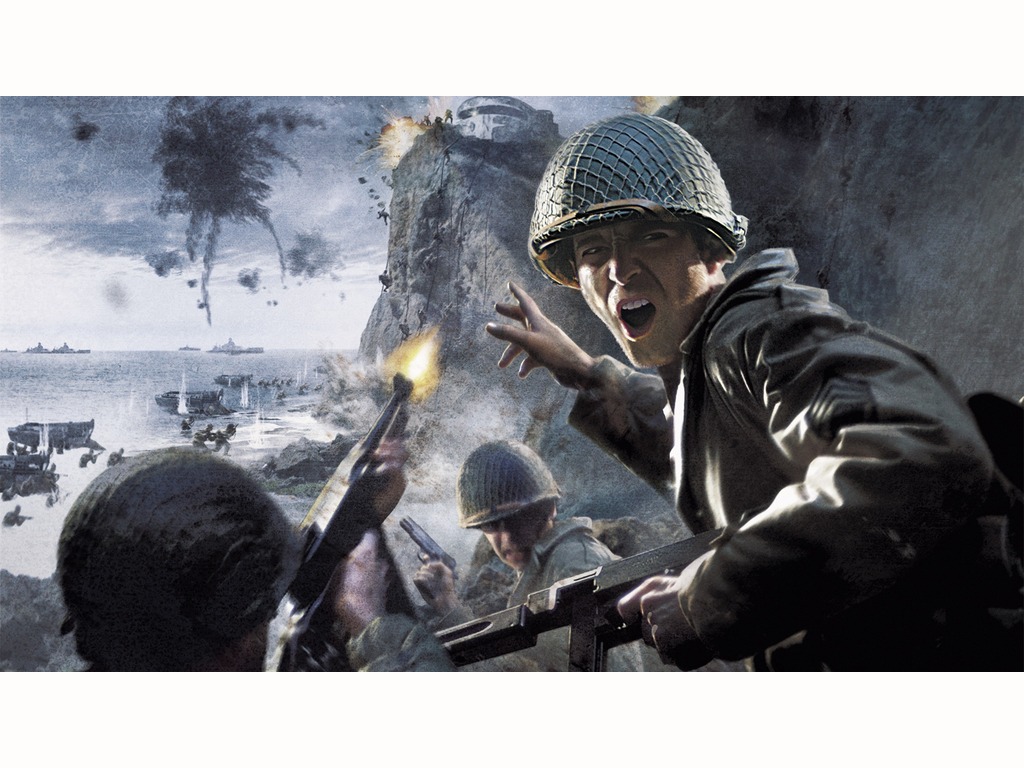
It’s hard not to wonder what a Spielberg-led Call of Duty would have looked like. His filmography is stacked with World War II masterpieces—Schindler’s List and Saving Private Ryan—that helped define the modern war epic. The visceral Omaha Beach landing in Saving Private Ryan famously influenced the D-Day mission in Call of Duty 2, and that shared DNA could have translated into a gritty, prestige-level adaptation. Spielberg’s involvement alone would have signaled a serious, awards-caliber approach to a video game franchise with decades of cultural weight.
For now, the Paramount-backed project is moving ahead without a director attached, and major details remain under wraps. A central question for fans is scope and setting: Will the movie go back to the franchise’s roots with a World War II story, or lean into the contemporary, globe-trotting espionage of Modern Warfare and the shadow-ops intrigue of Black Ops? Each direction offers a distinct tone. A historical campaign could deliver boots-on-the-ground realism and moral complexity; a modern narrative could play up high-tech warfare, special forces units, and breathless, set piece-driven action.
Another factor to watch is how closely the film mirrors the games’ cinematic style. Call of Duty is known for kinetic pacing, ensemble casts, and mission-based storytelling that jumps between theaters of war. Translating that energy to a feature-length film without feeling episodic will be a creative challenge. There’s also the question of rating: a PG-13 approach could broaden the audience, but an R rating might better capture the franchise’s intensity and stakes.
While the Spielberg version may remain a fascinating what-if, the franchise has more than enough brand power to anchor a major theatrical release. Call of Duty is one of the best-selling video game series in history, with an audience that spans generations. Done right, a Call of Duty movie could appeal to longtime players and general action fans alike—especially if it balances character-focused drama with the pulse-pounding combat scenarios the series is known for.
What to look for next:
– Director announcement: The choice will signal tone, whether gritty realism or blockbuster spectacle.
– Time period and sub-franchise: World War II, Modern Warfare, or Black Ops will shape everything from casting to visual style.
– Creative control and production partners: How much freedom the filmmakers have will influence the film’s personality and authenticity.
– Release strategy: A theatrical-first rollout versus a hybrid approach could hint at budget and franchise ambitions.
The reported breakdown with Spielberg underscores a broader trend in game-to-film adaptations: finding the right balance between a creator’s vision and a brand’s guardianship. As development continues at Paramount, all eyes are on who steps behind the camera and what kind of battlefield the Call of Duty movie chooses to fight on.