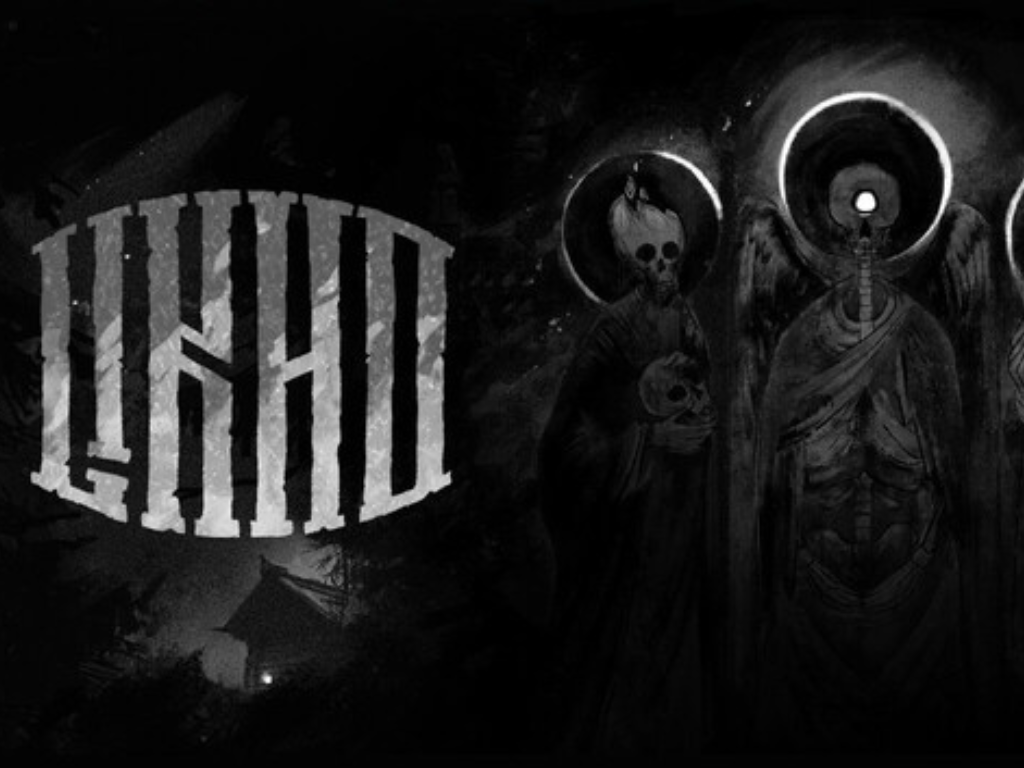
One-Eyed Likho invites players into a mesmerizing journey, crafting a horror experience deeply rooted in Slavic mythology. Portrayed as a symbol of misfortune in folklore, the game’s titular character sets the tone for a chilling adventure. From the haunting monochrome visuals to its intriguing narrative, the game promises a unique escapade into folk horror.
Although I’m not typically drawn to horror games, One-Eyed Likho managed to capture my interest since its announcement last year. Equipped with a review key, I delved into the first few hours, ready for a narrative influenced by Eastern European legends. The game ran smoothly on my setup, featuring a Ryzen 7 5800X CPU and RTX 3060 Ti GPU, with minor hiccups like occasional awkward animations.
The game’s striking monochrome palette stands out, transforming environments into atmospheric tales. As you wander through pine forests under starlit skies or explore derelict chapels, each scene feels both mythical and foreboding. The design effectively uses shadows and lighting to create depth, enhancing the supernatural tension.
The environmental storytelling is compelling, with each location—from ancient woods to sacred ruins—offering a rich narrative backdrop. Every detail, from cobweb-filled cabins to eerie grave sites, adds a layer of intrigue and enhances the folk horror atmosphere the game strives to achieve.
Audio plays a crucial role, with sparse Russian dialogue, ambient sounds, and haunting folk tunes deepening the immersion. The strategic use of silence makes every creak and rustle notably unsettling, building tension without over-relying on jump scares.
Exploration is at the heart of One-Eyed Likho, interspersed with simple puzzles that emphasize narrative over challenge. The game utilizes an innovative matchstick mechanic, where matches serve as a fleeting light source, reinforcing themes of fragility and uncertainty. This element cleverly heightens suspense as players navigate the enigmatic world.
The narrative, inspired by Slavic mythology, is a standout. Players follow Smith, a protagonist drawn to misfortune out of curiosity. This unusual premise engages players, placing them against both natural and supernatural forces. While dialogue and voice acting add layers to the story, some early-game choices feel less impactful, suggesting room for growth as the story progresses.
For those interested in a taste before committing, a demo is available on Steam. Overall, One-Eyed Likho offers an engaging folk-horror experience, blending captivating visuals, atmospheric audio, and mythological storytelling to create a unique and intriguing journey into the heart of Slavic legend.In the eerie and artistic realm of the horror genre, “One-Eyed Likho” stands out with its meditative approach and folk horror foundation. Its visual allure lies in the mesmerizing play of darkness and light. Imagine a ruined chapel softly illuminated by candlelight, or star-filled night skies over desolate graveyards; these scenes masterfully blend the grotesque with the sublime.
The game’s atmosphere is consistently intense yet breathtaking. Even during quieter moments, a lingering sense of danger keeps players on edge. Unlike conventional horror, “One-Eyed Likho” focuses on narrative-driven scares, where tension builds gradually. When the eerie moments strike—like statues inching closer just before entering a coffin—they resonate deeply, offering more than just usual jump scares.
Performance-wise, while generally solid, some areas need refinement. Issues like clipping, stiff animations, and dialogue quirks slightly mar the experience, but they rarely disrupt the overall immersion.
“One-Eyed Likho,” with its muted, washed-out color palette, presents a visual treat. As you navigate the game, scenes and checkpoints, like the coffin—a vital juncture before meeting Likho—are woven into the narrative, adding depth and intrigue.
At its core, “One-Eyed Likho” diverges from conventional horror games like “Outlast” by prioritizing atmospheric storytelling over relentless action. It shares more in common with games that prioritize exploration and narrative, reminiscent of titles like “Return of the Obra Dinn.” This unique focus on exploring a mesmerizing yet menacing world is its most compelling feature, making it perfect for fans seeking a fresh and artful horror experience.