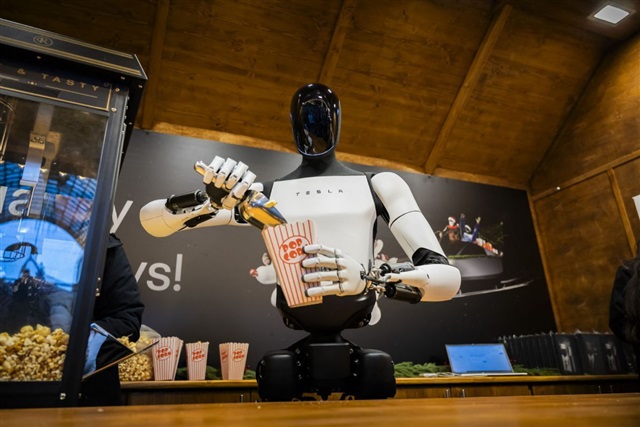
Generative AI is no longer confined to screens, chat windows, or cloud servers. It’s rapidly moving into the real world, where machines can see, understand, and act within physical environments. This emerging wave—often described as Physical AI—is pushing robotic systems beyond purely digital tasks and into hands-on interaction with their surroundings through perception, decision-making, and action.
As Physical AI gains traction, interest in robotics is surging again worldwide. The robotics industry has long been associated primarily with industrial automation—robot arms on factory floors, repetitive assembly tasks, and tightly controlled production environments. Now, the conversation is shifting toward smarter, more adaptable robots that can operate in more dynamic settings, thanks to advances in generative AI and AI-driven perception.
A major catalyst behind this momentum is the ongoing public support for robotics and AI-driven physical systems from Nvidia CEO Jensen Huang. His repeated endorsements have helped keep the spotlight on robotics as the next major frontier for AI, reinforcing the idea that the future of artificial intelligence isn’t just about generating text or images—it’s about enabling machines to function effectively in the real world.
This renewed excitement is also reshaping the robotics supply chain. Companies involved in robotics hardware, sensing systems, compute platforms, and manufacturing are accelerating strategic moves to position themselves for what could become a significant growth cycle. At the same time, the broader robotics ecosystem is undergoing a structural reshuffle, with supply chain players adjusting priorities and partnerships to keep pace with rising demand and a changing competitive landscape.
In simple terms, as AI becomes more physical, robotics is becoming a bigger global priority—and the businesses behind the parts, platforms, and production of robots are moving quickly to capture the opportunity.