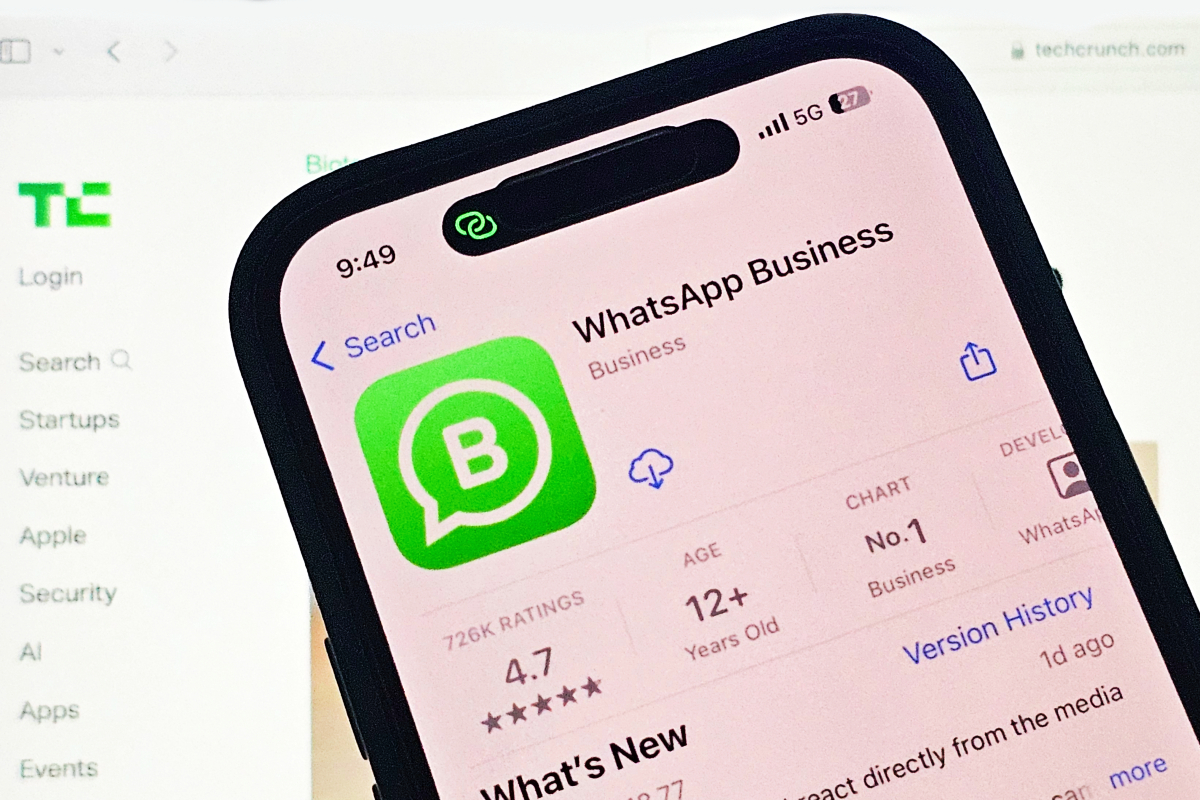
WhatsApp Business has rapidly expanded its reach, now boasting over 200 million monthly users. This remarkable growth means an influx of messages from businesses, some of which may feel like spam to users. Until now, customers had limited options: allow these messages or block the business entirely. However, WhatsApp is introducing a more nuanced approach.
In a bid to refine the user experience, WhatsApp is testing new features that allow users to provide specific feedback on the types of messages they receive from businesses. Options such as “interested/not interested” and “stop/resume” will be available for certain message categories.
These global trials will offer users the ability to tailor their message preferences. For instance, users might opt-out of receiving promotional offers but retain service updates. If they change their mind, they can choose to resume communications, perhaps during a sales event or festive season.
WhatsApp explains that business messages are typically organized into four categories: marketing, utility, authentication, and service. Although these categories help businesses target their messages, users previously had no easy way to selectively opt out of certain types.
In many regions, particularly in countries like India and Brazil, WhatsApp serves as the primary mode of communication, similar to how email functions elsewhere. Unlike email, where it’s common to unsubscribe from promotions, WhatsApp has lacked similar features, leading to a barrage of unsolicited messages.
Influential voices within WhatsApp have been advocating for enhanced user controls. Nikila Srinivasan, Meta’s VP of product management for messaging monetization, pointed out the necessity for users to communicate their preferences more effectively. She emphasized the importance of educating businesses to align their campaigns with both platform standards and user expectations.
Earlier this year, WhatsApp took steps towards curbing spam by limiting the number of marketing messages users receive daily, although it didn’t set an explicit cap.
Traditionally, WhatsApp has been known as a platform for personal conversation. Nonetheless, it has evolved to include features for community-building, content broadcasting, and business-customer interactions, all of which are integrated into the main chat interface. The Q3 2024 report highlighted the financial significance of WhatsApp Business, which contributed significantly to app revenue, raising the challenge of balancing monetization with user satisfaction.
When questioned about potential segregation of business messages from personal interactions, Srinivasan acknowledged that while newer features remain optional and separate, the core WhatsApp experience remains centered around the inbox. She noted that their efforts are directed towards distinguishing high-value communications worthy of users’ attention.
By tailoring business message preferences, WhatsApp aims to enhance user experience and maintain its appeal as a primary communication tool, while ensuring businesses adhere to higher standards.