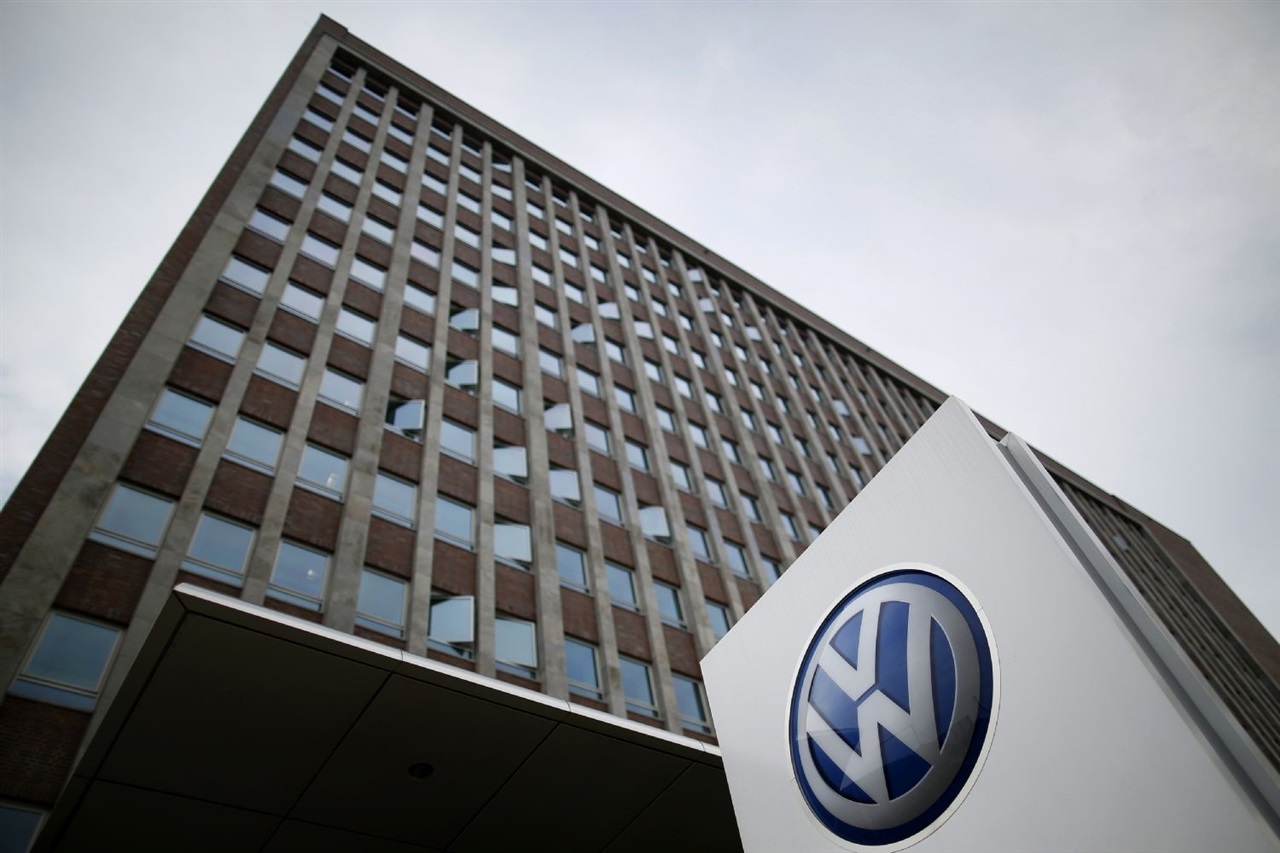
Volkswagen Faces Pivotal Board Meeting as Major Restructuring Plan Looms
Volkswagen is approaching a defining moment as its supervisory board prepares to meet on July 9 to review a sweeping restructuring proposal that could reshape the future of one of the world’s largest automakers. The discussions are expected to focus on deep cost reductions, possible factory closures, and job cuts that could affect as many as 100,000 workers.
The potential overhaul comes at a time when Volkswagen is under growing pressure from rising production costs, slowing demand in key markets, and intense competition in the global electric vehicle sector. The company has been working to strengthen its position in an industry that is rapidly shifting away from traditional combustion engines toward battery-powered vehicles, software-driven features, and more flexible manufacturing strategies.
For Volkswagen, the stakes are especially high. The automaker has long been seen as a pillar of Germany’s industrial economy, employing hundreds of thousands of people and operating major production sites across Europe and beyond. Any decision involving large-scale job reductions or plant closures would likely carry major economic, political, and social consequences.
The July 9 board meeting is expected to examine how far the company must go to restore competitiveness and protect long-term profitability. While no final decisions have been confirmed, the possibility of such a large restructuring signals the seriousness of the challenges facing the group.
Volkswagen has been dealing with a difficult mix of market pressures. In Europe, demand for electric vehicles has been uneven, with customers weighing high prices, charging access, and government incentive changes. In China, one of Volkswagen’s most important markets, local electric vehicle brands have gained momentum by offering advanced technology and aggressive pricing. At the same time, global supply chains, labor expenses, and development costs continue to weigh on profit margins.
The company’s leadership is likely to argue that major changes are needed to make Volkswagen faster, leaner, and better prepared for the next phase of the auto industry. Restructuring could allow the automaker to reduce excess capacity, streamline operations, and redirect investment toward electric vehicles, battery technology, digital platforms, and next-generation mobility services.
However, the path forward will not be easy. Volkswagen’s workforce is highly organized, and labor representatives hold significant influence within the company’s governance structure. Any plan involving mass job cuts or factory closures would face strong resistance from unions and employee representatives, particularly in Germany, where the company’s manufacturing footprint is deeply tied to local communities.
The outcome of the July 9 meeting could mark a turning point not only for Volkswagen but also for the broader European auto industry. Traditional carmakers are under pressure to adapt quickly as newer competitors move faster in electric vehicle development and software innovation. Companies that once dominated global markets are now being forced to reconsider long-established business models.
For investors, the restructuring discussions may be viewed as a necessary step toward improving efficiency and restoring confidence. For employees, the situation brings uncertainty and concern about the future of jobs, plants, and entire regional economies connected to Volkswagen’s operations.
The coming weeks could reveal whether Volkswagen is prepared to make some of the toughest decisions in its modern history. If the supervisory board moves forward with a major restructuring plan, the company may enter a new era focused on lower costs, sharper strategy, and accelerated transformation.
What remains clear is that Volkswagen is no longer dealing with short-term turbulence. It is confronting a structural shift in the global automotive market. The decisions made now could determine how strongly the brand competes in the electric vehicle age and whether it can maintain its position as a leading force in the future of mobility.