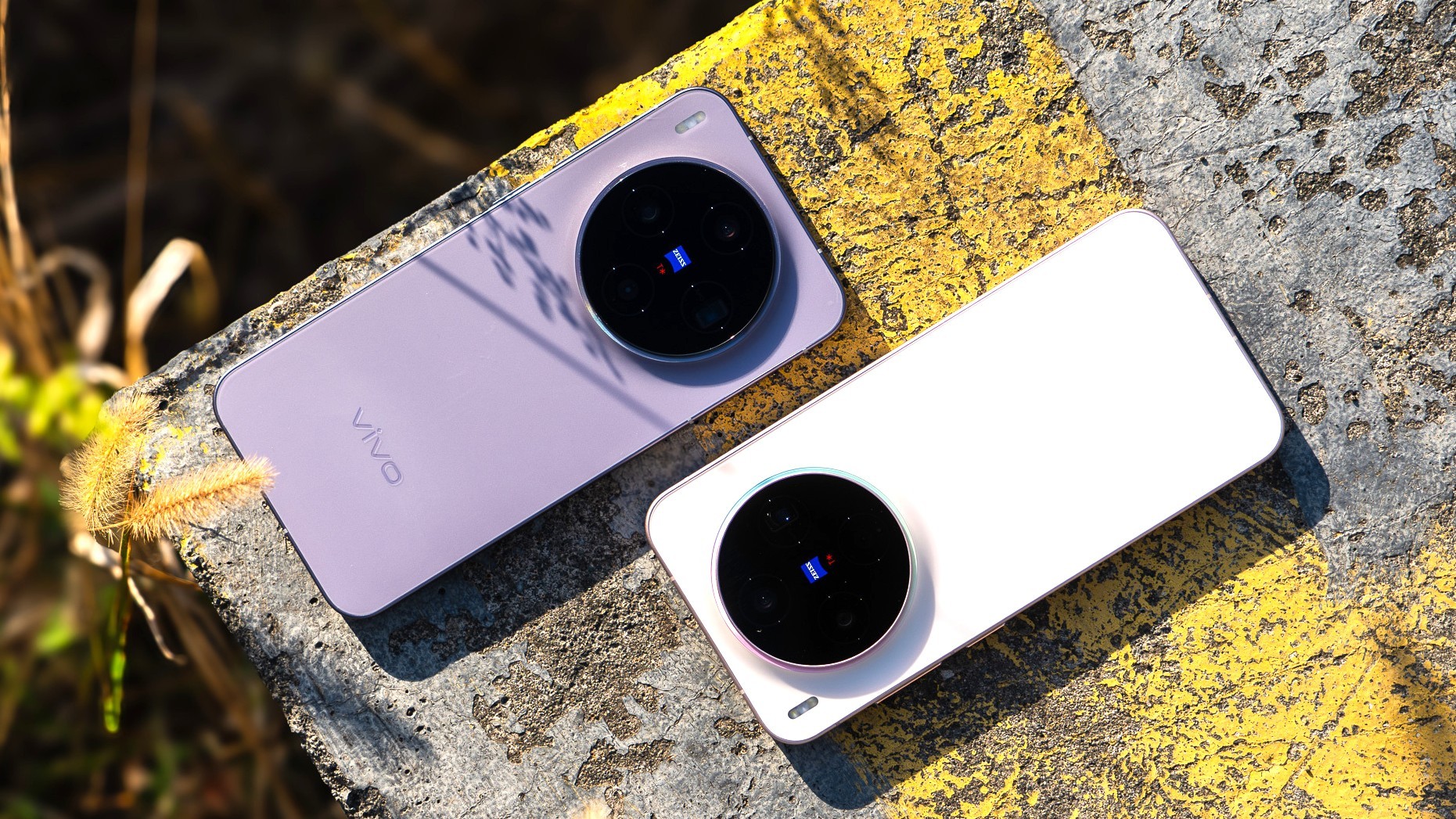
In a fresh 200 MP camera face-off, the compact Vivo X300 with Zeiss optics appears to edge out the Galaxy S25, especially when shooting at the sensor’s full native resolution. The comparison wasn’t done in the typical 12 MP pixel-binned mode most users rely on by default, but at full 200 MP, highlighting each phone’s raw resolving power and image processing.
Across the scenes tested, the Vivo X300 consistently delivered a more pleasing overall image with richer, more vibrant colors, finer micro-detail, and noticeably cleaner textures in shadowed and high-frequency areas. Noise was better controlled without smearing away detail, giving foliage, brickwork, and fabric patterns a crisper, more natural look.
What’s driving the difference? Two factors stand out. First, improved computational photography on the X300. Multiple testers have praised Vivo’s latest image-processing algorithms versus the previous X200 generation, and that refinement shows in demosaicing, sharpening, noise reduction, and color science at ultra-high resolutions. Second, the Zeiss collaboration likely contributes to more precise optics and color rendering, helping the sensor capture and preserve detail more effectively.
A quick caveat for everyday buyers: most people shoot in the default 12 MP mode to benefit from pixel binning, better low-light performance, and faster processing. Results can differ in that mode. But if you care about maximum detail, large prints, or aggressive cropping, the 200 MP samples suggest a clear advantage for the Vivo X300 in texture preservation and noise control.
Bottom line for smartphone photography enthusiasts and anyone choosing between these two flagships: at full-resolution shooting, the Vivo X300’s Zeiss-tuned camera and upgraded algorithms provide punchier colors, sharper fine detail, and cleaner files than the Galaxy S25. If you value lifelike textures and high-res clarity, the X300 is the one to watch.


