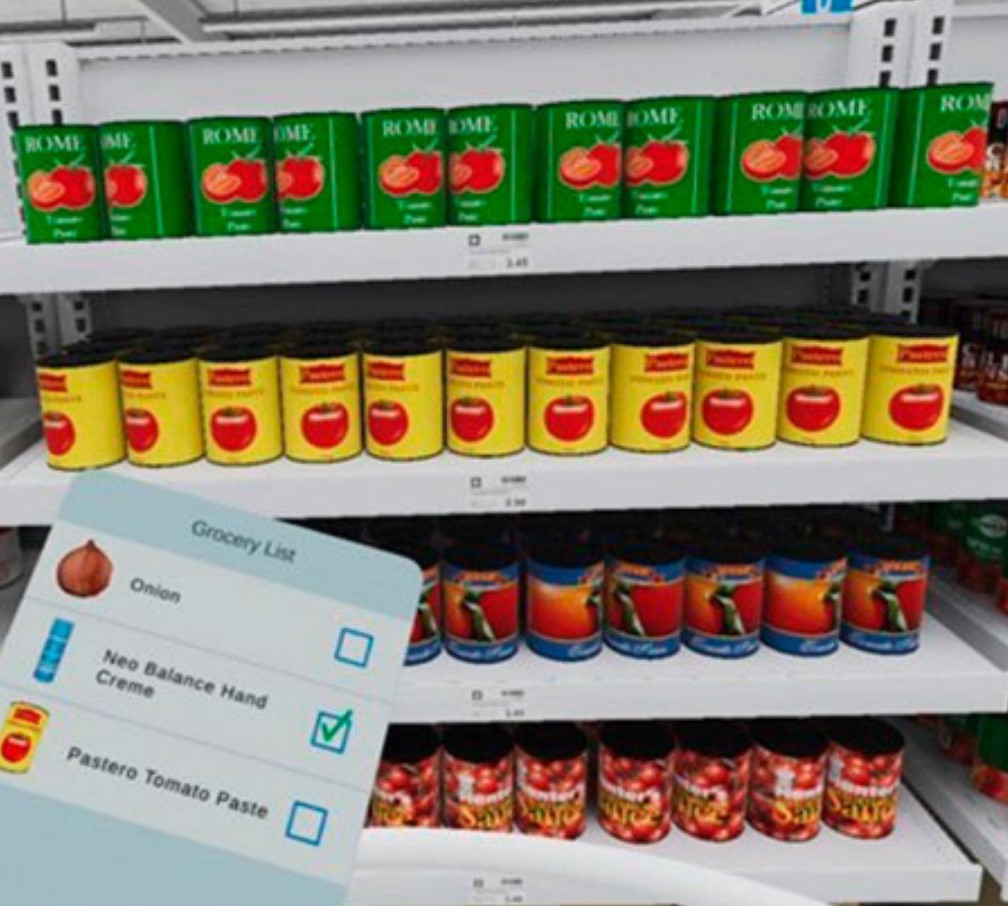
Cleveland Clinic researchers have unveiled an innovative virtual reality (VR) system—a supermarket shopping simulator—that has the potential to identify declines in cognitive and motor skills. This cutting-edge technology could lead to enhanced screening processes that detect early signs of decline in patients.
The virtual reality solution, pioneered by the research team led by M.M. Lewis, is specifically aimed at assessing the cognitive-motor abilities of older adults. Traditional methods for gauging functional abilities in the elderly involve Instrumental Activities of Daily Living (IADLs) tests. However, these tests often fall short in measuring actual performance in real-world tasks that require simultaneous cognitive and physical engagement, such as shopping for groceries.
The simulated VR grocery store environment is designed to mimic the challenges of a real shopping experience. Participants navigate the aisles using a VR headset and a treadmill, eliminating the need for a physical space stocked with items. The initial phase of the study required individuals to locate and purchase a list of five specified grocery items, with subsequent tasks increasing in complexity—such as remembering announcements and comparing item prices to make cost-effective decisions.
During the study, the researchers observed noticeable differences between younger and older participants. Older adults tended to stop more frequently, consult their lists more often, walk at a slower pace, and spend a longer time deciding on the best-priced items. These findings underscore the potential for this technology to reveal age-related cognitive-motor declines.
Plans are underway to roll out this innovative simulator in larger studies, with the aim to integrate it into regular health check-ups. This could be instrumental in early detection of cognitive decline, such as dementia. In the interim, individuals are encouraged to engage in activities that stimulate their cognitive functions, such as learning to play a musical instrument.
The VR system, which includes a treadmill and headset, offers a novel approach to evaluating cognitive-motor abilities through a virtual grocery shopping experience. Its ability to challenge users in finding items and making choices in a simulated setting reflects a powerful new avenue in geriatric evaluations.
Sharing this article can help raise awareness about this new technology and its potential impact on detecting cognitive decline.