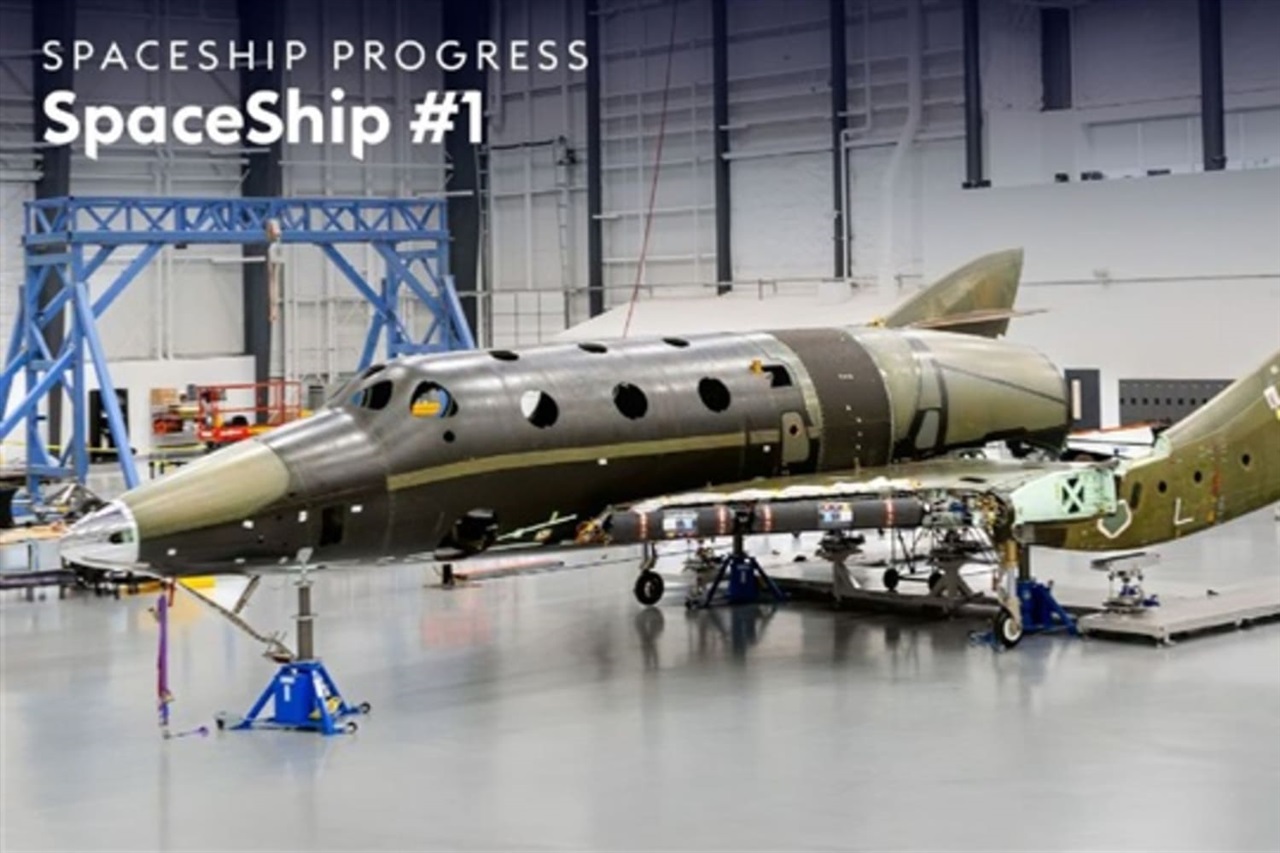
Virgin Galactic has taken a major step toward returning to commercial space tourism with its next-generation spacecraft fleet. On October 28, the company moved its first Delta-class suborbital spacecraft, known as D1, from its assembly facility in Mesa, Arizona, to Spaceport America in New Mexico.
The relocation is more than a routine transfer. It signals that D1 is moving out of the assembly phase and into preparations for flight testing, a key milestone for Virgin Galactic’s future commercial operations. The Delta-class spacecraft are expected to form the backbone of the company’s next era of suborbital flights, designed to carry private astronauts and research passengers to the edge of space.
Spaceport America will now become the center of activity for D1 as Virgin Galactic begins the next stage of checks, ground work, and flight-test readiness. These preparations are essential before the spacecraft can support crewed missions.
Virgin Galactic is currently targeting the start of commercial crewed Delta-class flights in early second quarter 2027. If the timeline holds, the company could be positioned to restart regular suborbital space tourism services with a newer generation of vehicles built for more frequent operations.
The move from Mesa to New Mexico highlights growing momentum behind Virgin Galactic’s Delta program. With D1 now at its operational home, the focus shifts to testing, validation, and proving that the spacecraft is ready for passengers.
For the space tourism industry, this development is significant. Virgin Galactic has long promoted the idea of opening access to space for private individuals, researchers, and future commercial customers. The arrival of D1 at Spaceport America brings that vision one step closer to its next chapter.