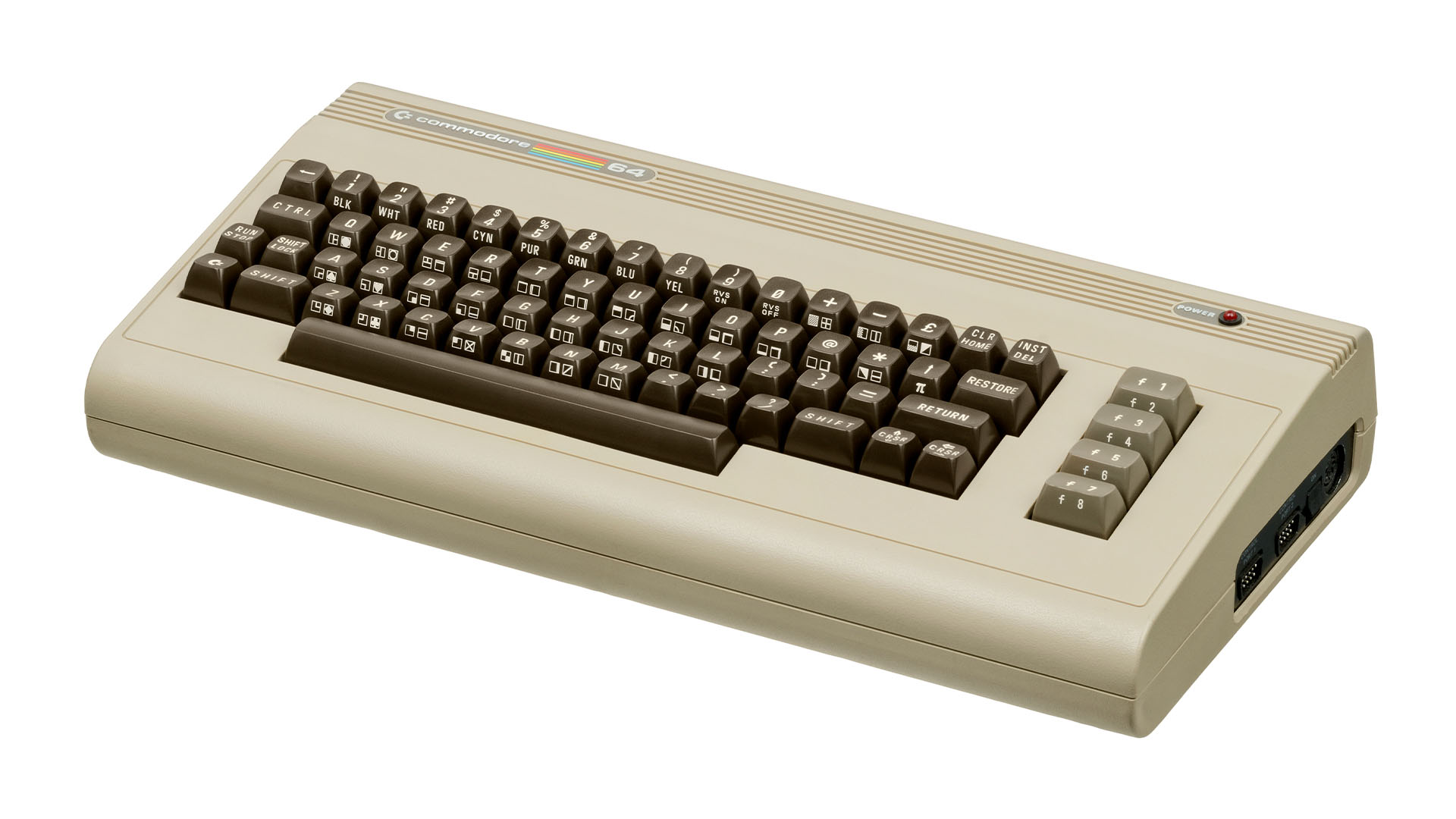
In an era where technology rapidly evolves, it’s fascinating to see how some pieces of vintage hardware continue to defy their age. A charming bakery in Indiana has captured attention not for its pastries but for its nostalgic use of two vintage Commodore 64 computers as cash registers. These devices, now a remarkable 42 years old, are proving that sometimes old-school technology can still do the job just as well as the latest innovations.
The Commodore 64 has a legendary status, and for good reason. With its reputation as the highest-selling individual computer of all time, boasting sales between 10 to 17 million units, it stands as a testament to its enduring appeal and functionality. Introduced to the market in the early 1980s, the Commodore 64 originally sold for $595 and included humble specs by today’s standards: a 1MHz CPU and 64KB RAM.
As revealed by a user named Tony Lyon, who shared captivating images on social media, the Hilligross Bakery in Brownsburg, Indiana, is using these vintage computers without a hitch. The simplicity of processing basic transactions like doughnut orders shows that sometimes less is more when it comes to technology needs.
What might seem like a relic to some is, in fact, a fully functioning component of the bakery’s daily operations, perfectly fitting their needs. And despite the old tech running behind the counter, Hilligross Bakery enjoys a strong customer reputation, holding impressive ratings: 4.7 stars on Google Maps and 4.4 stars on Yelp. This success illustrates that remarkable customer service and quality don’t necessarily hinge on having the latest gadgets.
For those nostalgic about vintage tech, the Commodore 64 is still available for purchase through online marketplaces, priced anywhere from $100 to over $1,250 depending on the condition and accessories included. It’s a fascinating reminder that while technology may march forward, the classics can still hang in there, doing exactly what they were intended to do: work reliably.