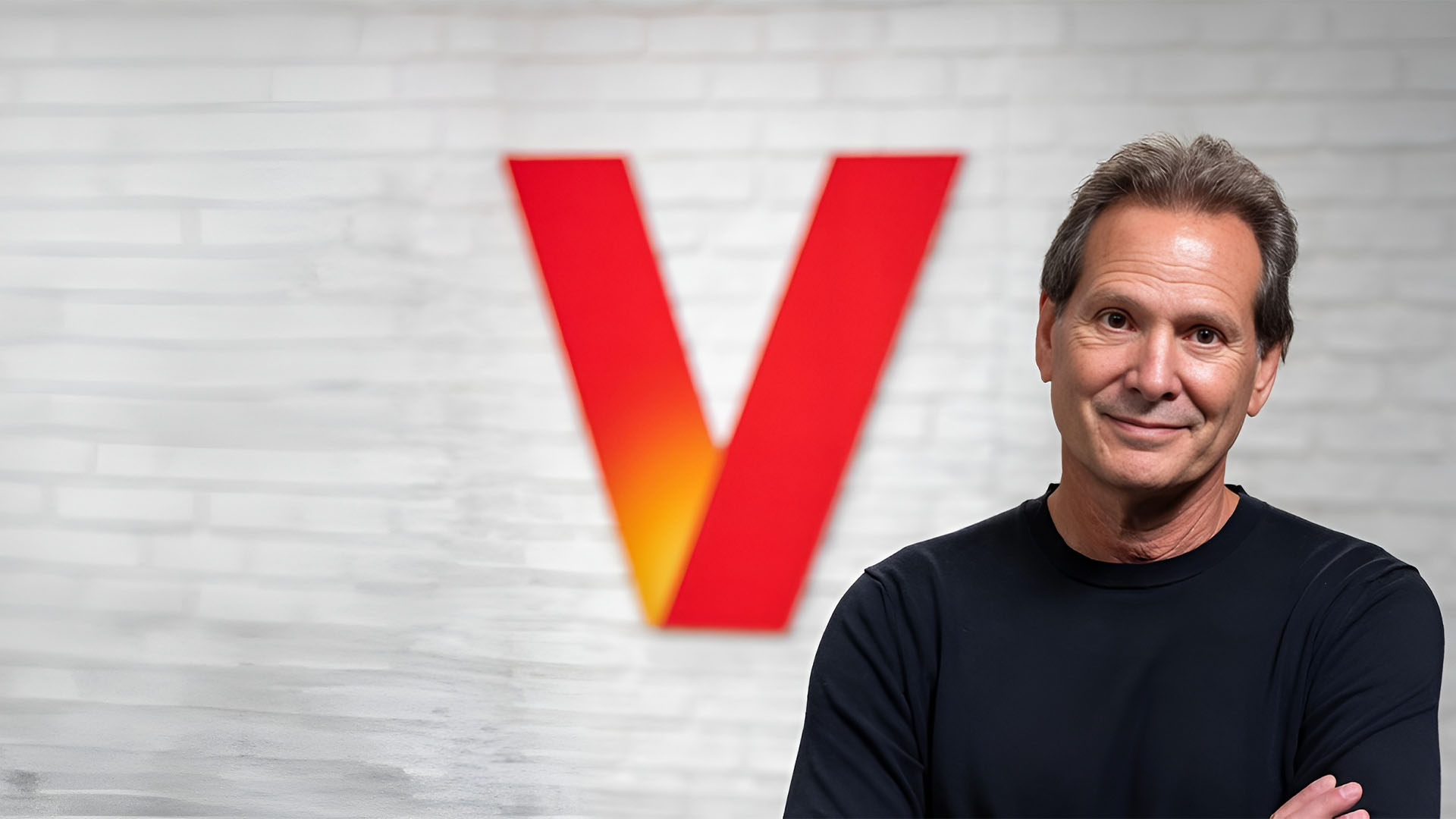
The last few months have been turbulent for Verizon CEO Dan Schulman. Between widespread network outages, layoffs, and the pressure that comes with leading the largest wireless carrier in the United States, the company has been forced to confront a difficult reality: having the “best network” isn’t enough to win customers the way it used to.
Speaking at the Semafor World Economy conference in Washington, Schulman suggested Verizon needs a major mindset shift around customer experience. His message was simple: the company must treat people like customers, not account numbers. While he still believes Verizon can claim the top spot on network quality, he admitted the gap between Verizon and its rivals has narrowed—meaning the basics matter more than ever.
“We probably do have, objectively speaking, the best network, but the differential on that is less than it used to be, and we now need to do all of the basic stuff. You have to treat people like humans, not like accounts,” Schulman said.
That’s an important admission at a time when competitors are pushing hard to take market share. Network performance remains crucial, but wireless subscribers increasingly weigh other factors just as heavily: how clear the pricing is, whether the promotions feel worthwhile, how easy it is to change plans, and whether customer support actually resolves issues quickly.
Schulman pointed to deals and promotions as a key area where Verizon has fallen behind. Rival carriers have been aggressive and highly focused on offering attention-grabbing incentives, helping them deliver offers that feel more compelling to consumers. For Verizon, he sees an opportunity in simplifying both promotions and plan structures—making it easier for customers to understand what they’re signing up for and easier to do business with the carrier overall.
The interview also touched on how Verizon is responding to workforce disruptions. Schulman acknowledged the intense effort employees have put into building and maintaining the network, even as layoffs have affected many roles. In a move aligned with his emphasis on treating people differently, he committed a $20 million retraining fund aimed at helping laid-off workers transition into new careers, particularly in the fast-growing artificial intelligence space.
He’s also encouraging other Fortune 100 CEOs to adopt similar retraining programs as AI continues to reshape job requirements across industries.
On the technology front, Verizon is preparing for broader AI adoption across its operations and customer-facing services. The company now has access to Anthropic’s Mythos tools, which could give it an advantage as AI becomes more embedded in how large enterprises handle support, automation, and internal efficiency.
For Verizon customers, the takeaway is clear: stronger customer experience, better wireless deals, and simpler plans may become a bigger part of Verizon’s strategy going forward. And for the broader wireless industry, Verizon’s message underscores a growing truth—winning in telecom isn’t just about network bars anymore. It’s about how customers feel they’re treated every step of the way.