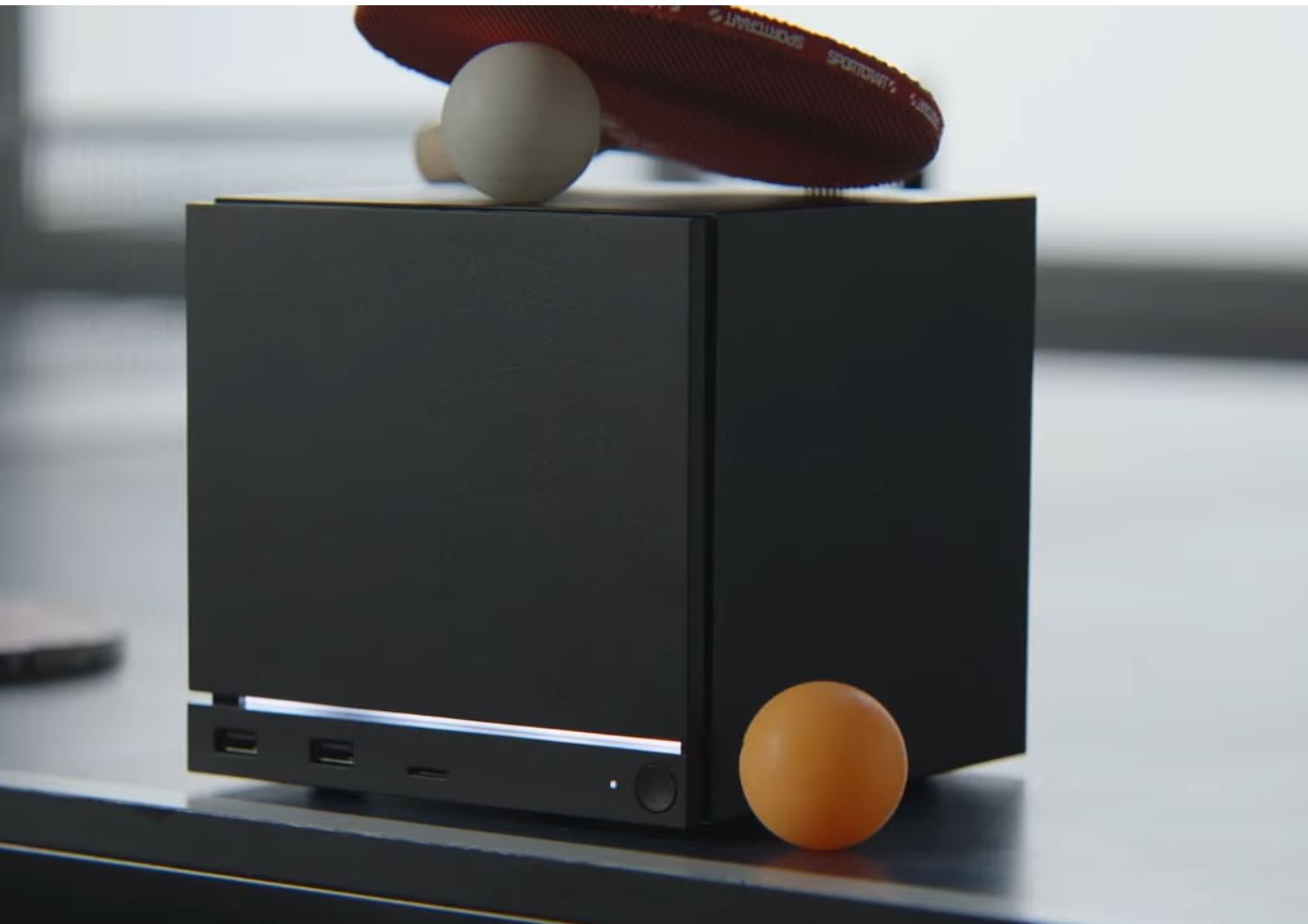
Valve’s Steam Machine may be off to a stronger start than many expected
Valve’s Steam Machine faced plenty of criticism when it arrived, especially over its steep price. Many players questioned whether a compact SteamOS gaming PC could gain traction at a premium cost, even as Valve pointed to rising memory prices and component shortages as key reasons behind the higher launch price.
Despite that early skepticism, the Steam Machine appears to be finding an audience. Based on analysis of publicly available Steam Hardware Survey data, Valve’s new SteamOS-powered gaming system may currently be selling somewhere between 10,000 and 15,000 units per week. These are not official numbers, since Valve has not released public sales figures for the device, but they offer an early look at how the hardware could be performing.
The estimate comes from tracking the growth of SteamOS users after the Steam Machine launched, then comparing those changes across Steam Hardware Survey updates. It is not a perfect method, and it cannot confirm exact shipment or sales totals. Still, in the absence of official data from Valve, it provides one of the first meaningful attempts to measure early demand for the system.
If the estimate is close, Valve could be moving around 50,000 to 60,000 Steam Machines per month. That would be modest compared with major gaming consoles like PlayStation, Xbox, or Nintendo Switch, but the Steam Machine is not really designed to compete directly with those systems. Instead, it targets a more specific group of PC gaming fans who want a living-room-friendly device with access to their Steam library.
Another important factor is availability. The Steam Machine is currently being sold through a reservation system, which means early numbers may be limited more by supply than demand. Valve has already acknowledged that higher component costs and memory shortages affected its original production plans, so the company may not be producing as many units as it initially hoped.
Interestingly, the Steam Machine’s early pace could be similar to the launch trajectory of the Steam Deck. Valve also kept official Steam Deck sales figures private, but past estimates based on Steam Hardware Survey trends suggested that roughly 77,000 units had been sold within the first few months after launch. If the Steam Machine is really selling 10,000 to 15,000 units weekly, it could reach a comparable early total within a similar timeframe.
That would be notable because the Steam Machine has a much higher starting price and appeals to a narrower audience than the Steam Deck. The handheld had the advantage of portability and a clearer value proposition, while the Steam Machine is aimed more at users who want a compact PC gaming console for the TV.
For now, these numbers should be treated as informed estimates rather than confirmed sales data. Valve has not announced official Steam Machine sales, and survey-based tracking can only provide an approximate picture. Even so, the early signs suggest the device may be building a healthy niche among enthusiasts who want a streamlined SteamOS gaming experience without building a full desktop PC.
The Steam Machine may not become a mainstream console rival, but it does not necessarily need to. If Valve can keep supply moving and continue improving SteamOS, the system could become an appealing option for PC gamers looking for a console-style setup. And for those who want something similar but not necessarily Valve’s own hardware, other manufacturers are also exploring their own versions of the compact PC-console hybrid.