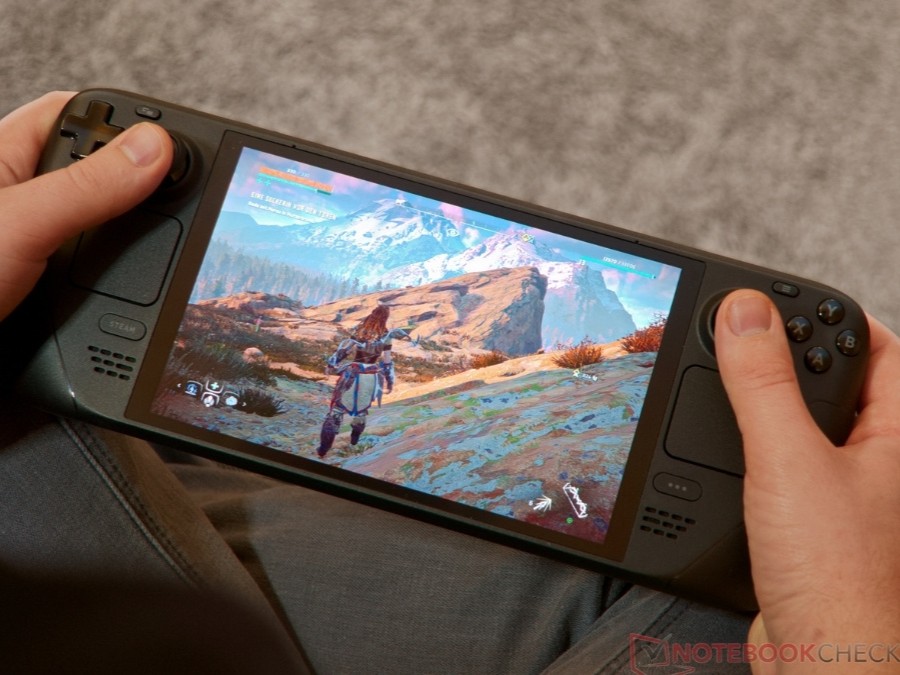
The global memory shortage continues to shake up the tech industry, pushing component costs higher and forcing many hardware makers to adjust pricing or reconsider future product plans. Handheld gaming devices, PCs, and consoles are all feeling the pressure, and even Valve’s current Steam Deck lineup has not been spared.
Despite the difficult market conditions, Valve says its long-term vision for the Steam Deck 2 remains unchanged.
The company has repeatedly made it clear that it does not want to rush out a new handheld gaming PC just because newer chips are available. Instead, Valve is waiting for the right moment to deliver a true next-generation upgrade. For the Steam Deck 2, that means a major jump in performance, better efficiency, and a price that still makes sense for players.
That approach is important because the original Steam Deck succeeded by offering a strong balance of power, portability, and affordability. Valve does not appear interested in releasing a minor refresh that only improves frame rates slightly while increasing the cost too much.
Rising RAM prices had raised questions about whether Valve might delay or change its plans for the next Steam Deck. However, Valve software developer Pierre-Loup Griffais recently explained that the company is still moving forward with the same goals in mind.
According to Griffais, Valve wants the next Steam Deck to feel like a clear generational leap rather than a small upgrade. The company is continuing to monitor the hardware market and component pricing so it can decide when the timing is right to build a device that meets those expectations.
Price remains one of the biggest challenges. The current Steam Deck OLED has already seen significant price pressure in some markets. The 512GB OLED model, which previously cost $549, has been listed as high as $789. Meanwhile, the 1TB version has climbed from $649 to $949. Those increases show just how much the memory crisis is affecting consumer hardware.
Valve’s other hardware efforts have also been impacted by higher component costs, with pricing coming in above what many fans expected. This makes the Steam Deck 2 strategy even more delicate. Valve needs to deliver stronger performance without losing the value that helped make the original device popular.
For now, the Steam Deck 2 release date remains unknown. Rumors have suggested that Valve may be looking toward a 2028 launch window, but the company has not confirmed any official timing.
What seems clear is that Valve is not abandoning its original plan. The Steam Deck 2 is still expected to arrive only when the company believes it can offer a meaningful upgrade in performance, battery efficiency, and overall user experience.
For handheld gaming fans, that may mean waiting longer. But if Valve sticks to its philosophy, the next Steam Deck could be a much more exciting device than a simple yearly hardware refresh.