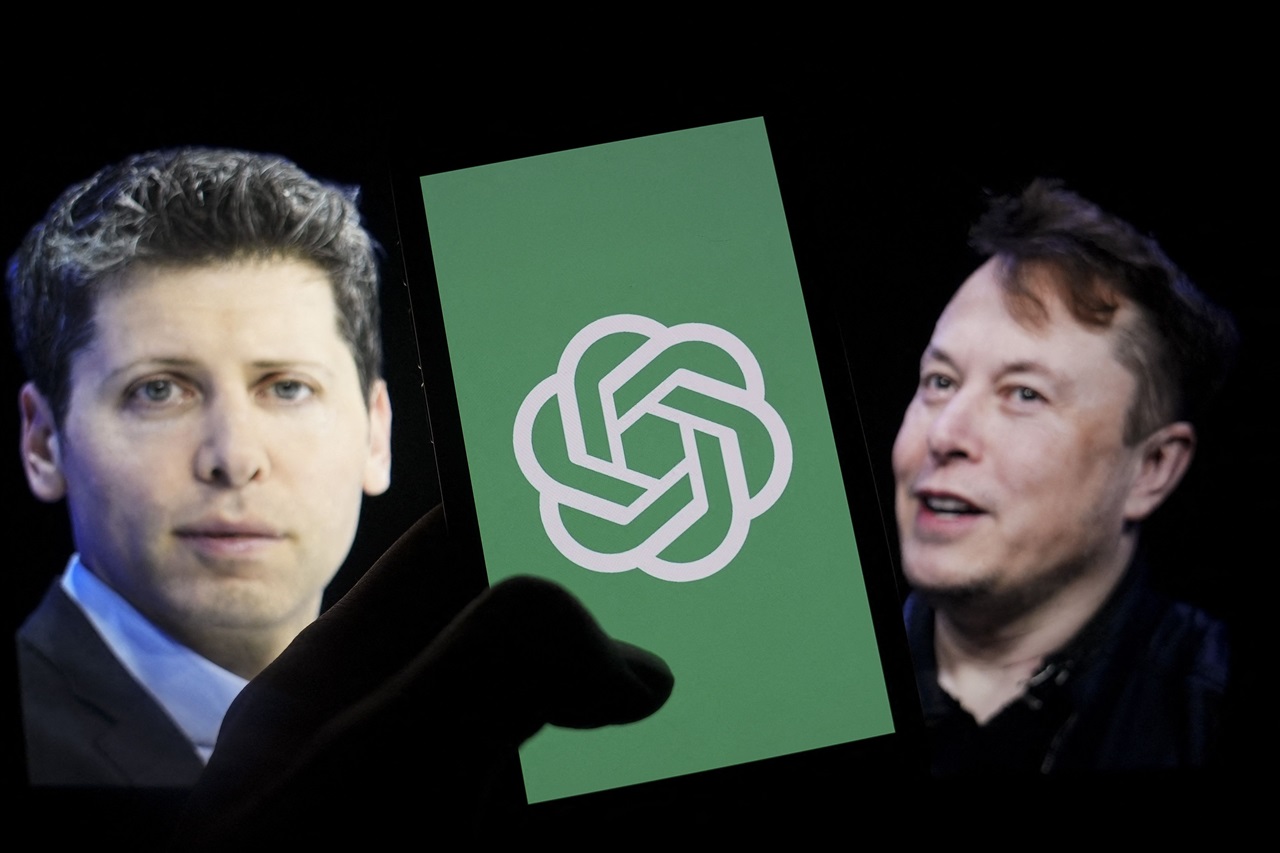
Elon Musk, a prominent figure known for his ambitious ventures in technology and space exploration, is at the center of a significant controversy in the tech industry. The debate involves the restructuring of OpenAI, a pioneering artificial intelligence startup, as it aims to transition into a for-profit company. Musk’s challenge to this move has caught the attention of two major US antitrust agencies, which have shown partial support for his argument.
OpenAI, originally founded as a non-profit organization, has made considerable strides in AI development. However, its shift towards a for-profit model has raised eyebrows, especially from Musk, who is concerned about the potential impact on innovation and fairness in the tech sector. The support from the antitrust agencies suggests there are legitimate concerns about the restructuring and its implications for competition and collaboration in AI advancements.
This development highlights the growing influence and scrutiny of major tech entities as they navigate new business models and market strategies. It reflects a broader discourse on maintaining balance between business interests and the public good in the rapidly evolving realm of artificial intelligence.
As Musk continues to press his case, the outcome could have far-reaching consequences for both the future of OpenAI and the governance of AI enterprises worldwide. The situation underscores the importance of transparent and responsible progression in AI, ensuring its benefits are accessible and equitable.