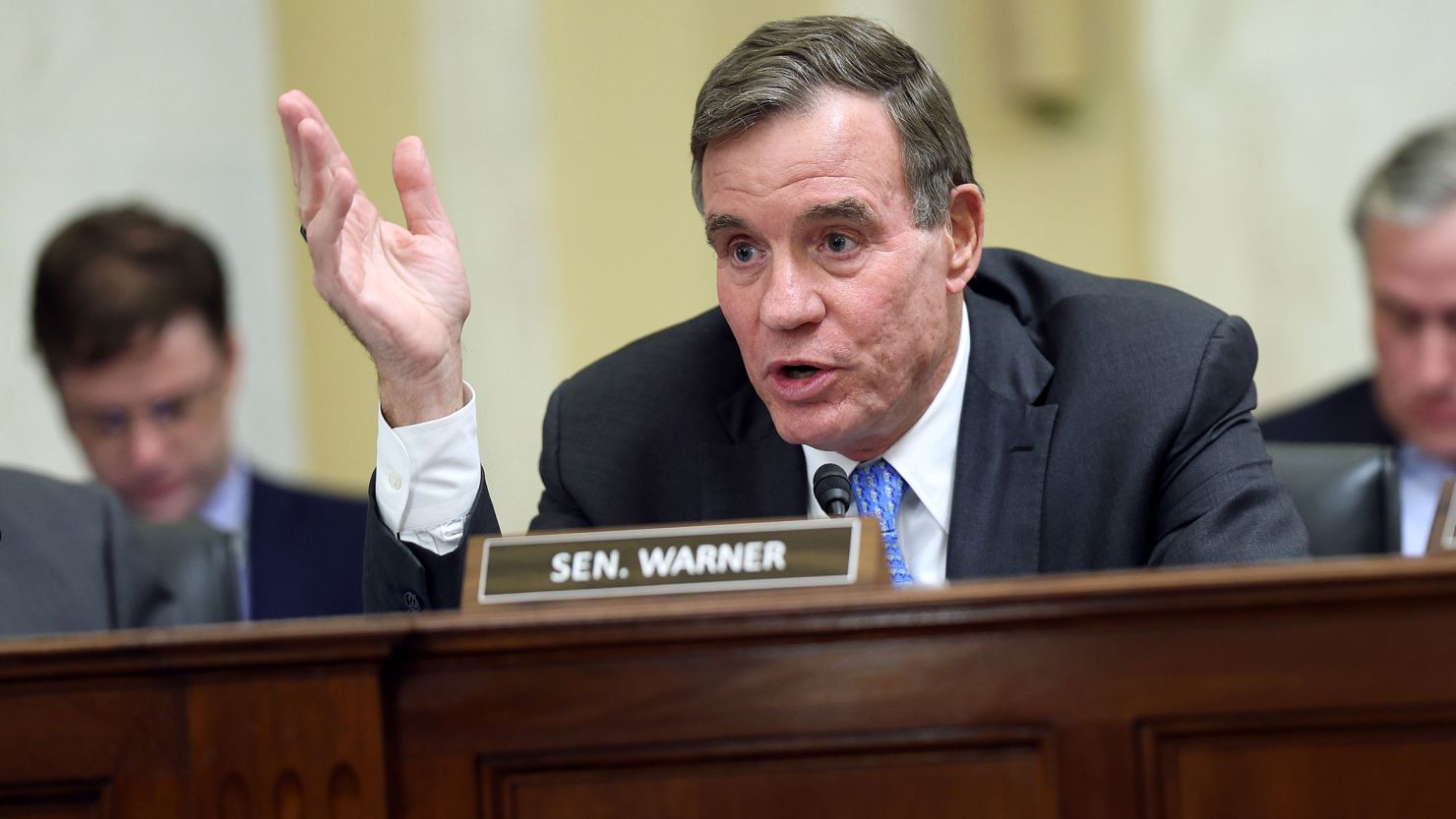
In a recent development, Senator Mark Warner from Virginia has drawn attention to Valve, the company behind the popular PC gaming platform, Steam. Warner’s concern, as outlined in his open letter, stems from an alarming report by the Anti-Defamation League, highlighting that Steam hosts over a million users and roughly 100,000 groups that promote antisemitic, Nazi, white supremacist, and other extremist ideologies.
Senator Warner argues that platforms like Steam should be subject to similar scrutiny as other social media sites such as Facebook, emphasizing that lax enforcement of conduct agreements can foster harmful social environments. He states, “We have witnessed how neglectful enforcement of user conduct agreements can lead to platforms becoming breeding grounds for harassment and abuse. Users should feel assured that they, or their children, will not face harassment or intimidation on such platforms.”
Valve, traditionally known for its hands-off approach in moderation, is being urged to reconsider its position. This challenge is further compounded by Valve’s massive user base, boasting over 132 million active players globally. Some critics, however, question Warner’s motivations, noting campaign contributions from Disney, which has financial interests in Epic Games.
In his letter, Warner demands Valve to respond by December 13 or prepare for increased federal scrutiny. He seeks clarification on Valve’s practices and definitions regarding conduct violations like encouraging violence or harassment, alongside detailed data on past breaches and moderation actions.
The letter also probes Valve’s staffing on content moderation and whether they utilize AI systems in monitoring inappropriate content. Warner is pressing Valve to disclose their measures for tackling extremist content and to commit to ensuring a safer community by the end of 2025.
Valve is asked for transparency on moderation actions and any shifts in policy decisions, especially those impacting content moderation. Additionally, there is an expressed need for openness about any decisions limiting their content moderation scope, particularly given previous criticisms of Valve for censoring certain publishers and developers despite pledging only to ban “illegal” or “trolling” content.
As the gaming community continues to grow, these concerns highlight the balancing act companies like Valve must perform between user freedom and maintaining a safe, inclusive environment. With the pressure mounting, responses from Valve will not only shape their future policies but could set precedents for other gaming and online platforms facing similar challenges.