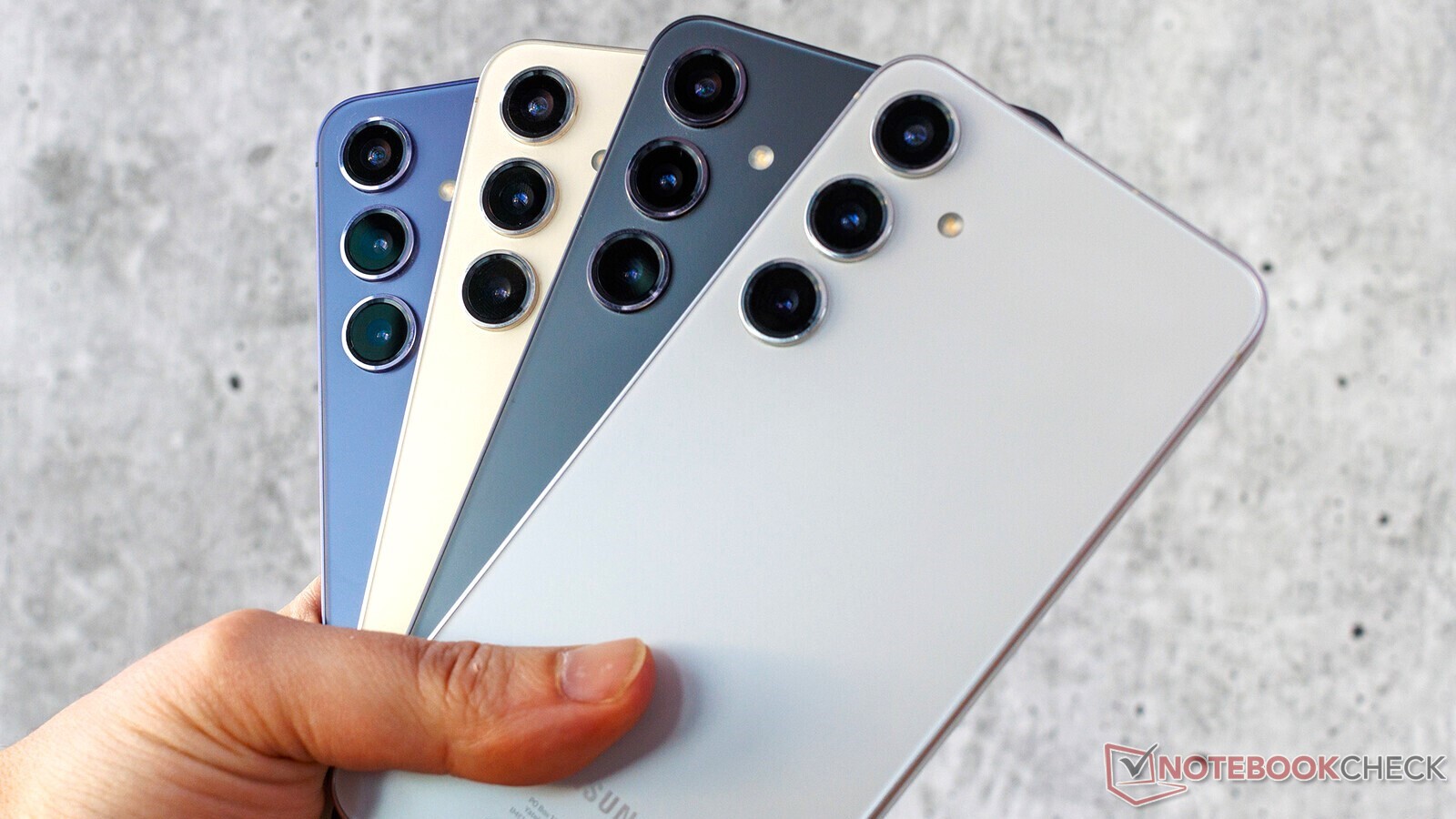
Rumors have surfaced indicating a significant upgrade for the future Samsung Galaxy S25 and S25+ models, as they are expected to come equipped with a new main camera for the first time in several iterations. According to insider sources, Samsung may be gearing up to implement a Sony image sensor in place of its traditional ISOCELL sensors for these upcoming flagships.
The Galaxy S22 and Galaxy S22+ set the stage in 2022 with their 50 MP cameras using the 1/1.57-inch ISOCELL GN5 sensor. In subsequent iterations, a similar ISOCELL GN3 sensor took its place. By 2024, the Galaxy S24 series saw only a minimal update to its camera system, with the introduction of an updated 5x telephoto lens in the Galaxy S24 Ultra.
However, the expected 2025 lineup, the Galaxy S25 series, is speculated to bring about a renewed focus on camera performance. This news follows previous predictions made by a South Korean leaker last year, suggesting that the upcoming Galaxy S25 and Galaxy S25+ will ditch the previously used GN3 sensor for a new Sony image sensor.
This strategic switch to Sony sensors may be facilitated by recent reports that Sony has begun delegating parts of its image sensor production to Korea, simplifying the integration process for Samsung’s Galaxy phones.
As of now, specifics on which Sony sensor will be implemented remain undisclosed, and official confirmation on this development is yet to be released. Nevertheless, this early buzz has already caught the attention of the tech community, eagerly anticipating what could be a significant leap forward in Samsung’s camera hardware for its flagship smartphones.
The potential move to Sony sensors represents Samsung’s commitment to continuous improvement, and if confirmed, could mark a new era of high-quality photography and videography for the brand’s loyal users and tech enthusiasts alike. The expectation for enhanced camera capabilities in the Galaxy S25 and S25+ is generating excitement, hinting at the prospect of more competitive and innovative offerings in the smartphone market for the year 2025.


