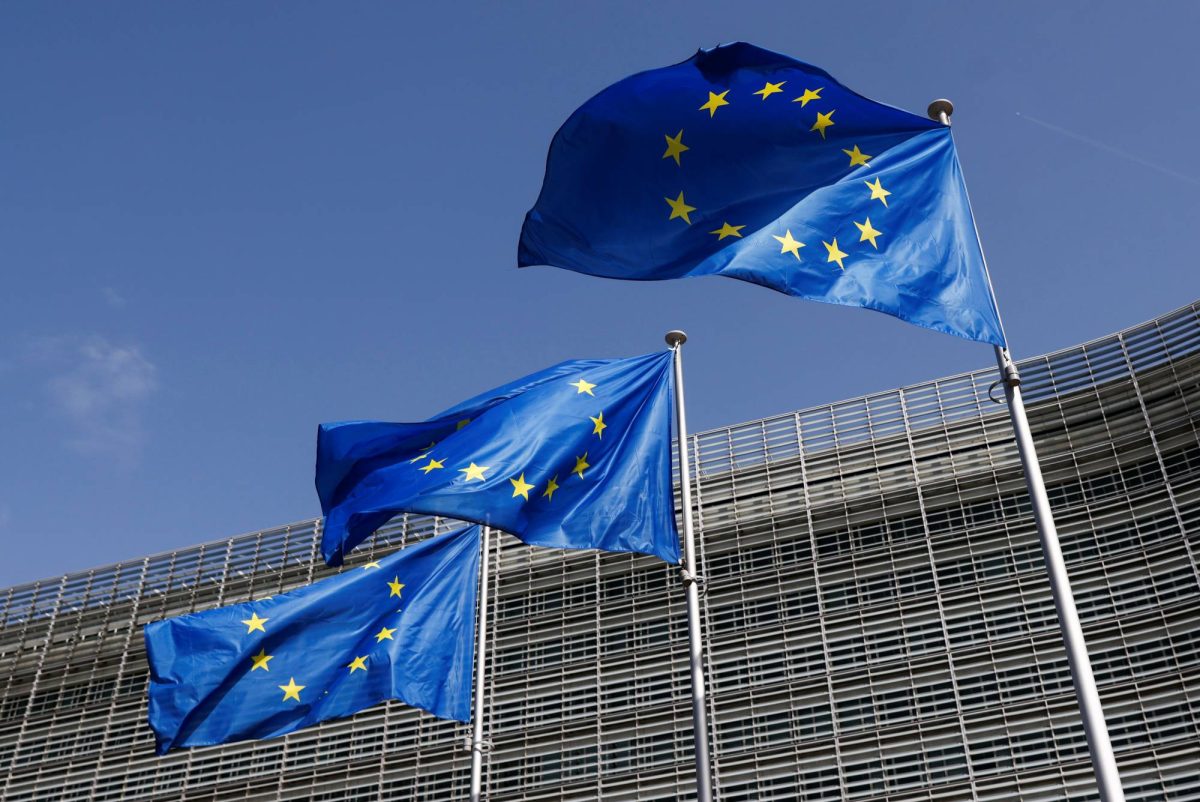
In recent times, regulatory bodies have been increasingly vigilant, targeting tech titans for alleged legal violations, fostering monopolistic practices, and curbing healthy competition. Google has long been under scrutiny, but now Apple and Meta are caught in the spotlight, with the European Union investigating whether these companies have breached the rules set by the Digital Markets Act (DMA). Originally scheduled for a decision in March, the European Union’s ruling was delayed due to shifting priorities towards tariff negotiations. However, the EU has now announced that their verdict will be revealed in the coming weeks.
The delay in the decision hasn’t deterred the European Commission, which has been examining these major companies since March of the previous year. The inquiry focuses on their potential violations of the DMA, aiming to address the dominance of these tech leviathans and foster a more competitive environment by providing users with a variety of choices in the digital marketplace. Reports suggest that Apple and Meta could be subjected to minor penalties if found guilty of breaching the act.
These moderate fines might be a reflection of current geopolitical dynamics, with attention often swaying towards more urgent global political issues. However, if enforced, this decision could be a pivotal moment, marking the European Union’s first rigorous application of the new legislation, potentially setting a precedent for future actions.
Meta has expressed dissatisfaction with the delay, arguing that the regulatory framework tends to unfairly paint major digital platforms in a negative light. The company insists on its cooperation with relevant authorities and has been vocal about its discontent with the EU’s anticipated judgment. This scenario underscores the ongoing tug-of-war between tech giants and regulatory entities over the governance of the ever-evolving digital market.
As the European Union gears up to issue its ruling shortly, the tech world watches closely. How this unfolds could greatly influence regulatory approaches not just in the EU, but across global markets, as the conversation about digital market dynamics continues to evolve.