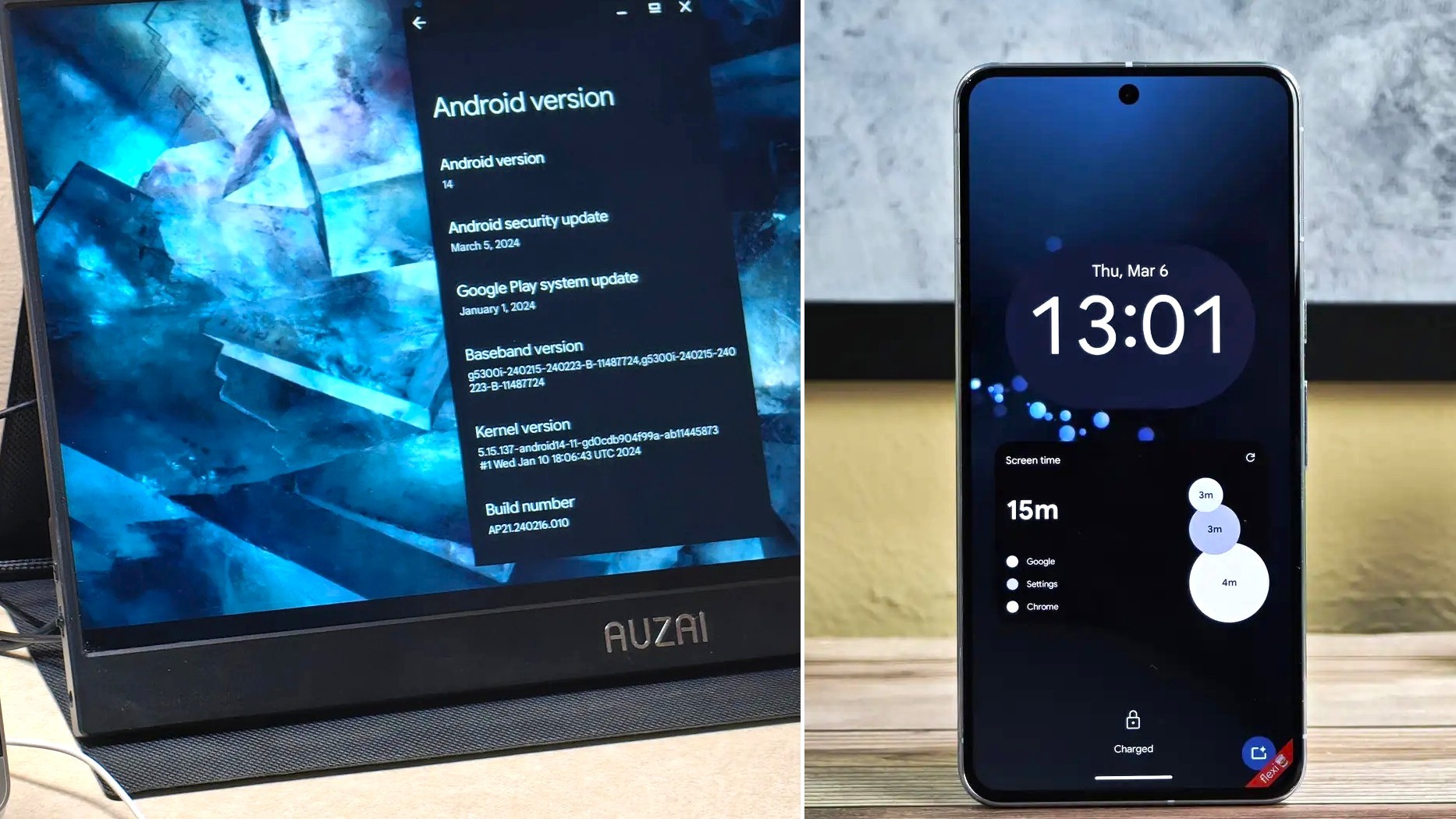
Google is setting the stage for Android to become a powerful contender in the world of desktop operating systems. Much like Apple has done with its ecosystem, Google aims to blur the lines between mobile and traditional desktop environments such as Windows, macOS, and Linux. With innovations like Android 15, users can now mirror their smartphone’s display onto an external screen. However, the aspiration doesn’t stop there.
With the upcoming Android 16, the potential for the Pixel 10 Pro to act as a temporary desktop replacement is becoming increasingly apparent. This is primarily due to the ongoing refinement of its multi-display capabilities. Tech enthusiasts have had an early look, experimenting with this cutting-edge feature before its official release.
Imagine the convenience of not just mirroring, but also extending your smartphone screen onto a second display. The recently expanded “External Display” settings in Android now make this possible. Users can effortlessly adjust the position of their secondary display relative to their smartphone, enhancing workflow and productivity. Additionally, they can use input devices like a mouse or touchscreen to navigate seamlessly across both displays.
Furthermore, Google plans to introduce separate customizable settings for refresh rates and the sizes of text and icons on these mirrored or extended displays. While the precise launch date for this highly anticipated feature remains under wraps, there is speculation it could roll out through a special Android 16 feature drop.
This evolution marks a significant leap forward, making Android a viable choice for users seeking a flexible and dynamic desktop experience. Keep an eye out as Google continues to push the boundaries of what an operating system can do.


