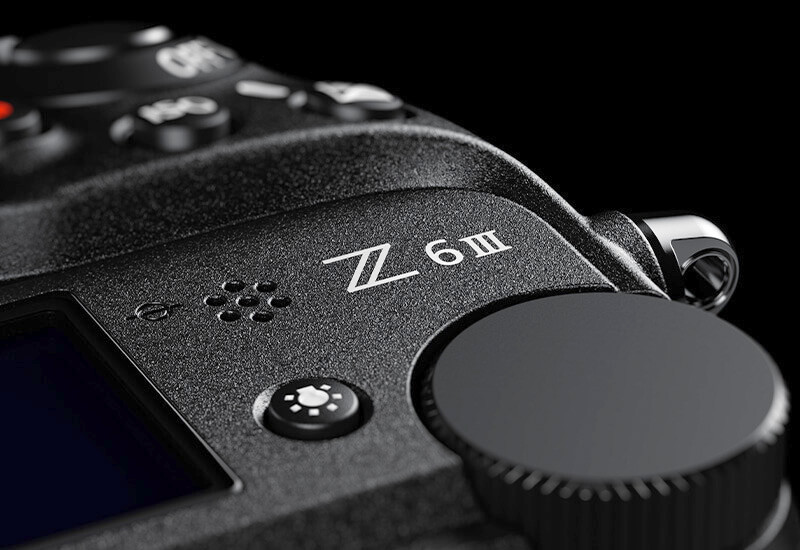
The mirrorless camera landscape has been evolving gradually, and the Nikon Z6 III serves as a latest testament to this trend. Building on the foundation of its predecessor, the Z6 II, the Z6 III has been unveiled with a suite of enhancements, including an advanced electronic viewfinder (EVF), refined processing capabilities, and sensor improvements. This progression brings more versatility to photographers and videographers alike.
On a surface level, the Nikon Z6 III offers brisker autofocus, a major update to the EVF, and stronger video capabilities, along with an improvement in in-body image stabilization. Desirable features from the top-tier models have made their way into the Z6 III as well—features such as Pre-Release Capture, fresh subject detection modes for autofocus, and the ability to shoot 6K 60 fps N-Raw video.
Launching at a price point that is $500 above the Z6 II, at $3,099.95, the Z6 III is setting a new bar for the mid-range segment. This follows a pattern observed in other recent industry releases; for instance, Fujifilm’s X-S20, X100VI, and the more recent X-T50 have showcased a proportional increase in both performance and cost.
The Panasonic Lumix GH7 released earlier provided some interesting features like phase-detection AF and enhanced audio capture alongside a high-resolution sensor. While the feature set was notable, some argued that its major advancements were partially attributed to the brand catching up with the market.
Though the upgrades in newer models are not trivial and serve the high standards of professional production environments well, the era of significant technological leaps in aspects like dynamic range and autofocus accuracy that characterized camera innovations in the mid-2010s seems to be tapering off. Sony’s A9 III, with its global shutter, stands out as an exception in an otherwise predictable rollout of new camera models—slightly better, occasionally more expensive.
However, the gradual evolution in camera tech isn’t necessarily negative. It contributes to the affordability of previous generation models, nurturing a robust second-hand market. For the enthusiast or “prosumer” photographer, there’s appealing value in older models like the Z6 II, which retails for nearly half the price of the Z6 III.
This steady pace of innovation may also discourage an excessive consumer mindset and a compulsion to upgrade gear too frequently — a phenomenon often seen with smartphones and other gadgets. With more subdued camera releases, there should be a decreased urge to purchase the latest model, potentially reducing electronic waste.
Additionally, when hardware remains relatively similar across generations, it raises the possibility of older models receiving new features through firmware updates, although this is not a widespread industry practice.
In conclusion, while the Nikon Z6 III may not represent a revolutionary leap forward in mirrorless camera technology, its release emphasizes the importance of steady, iterative improvements over sporadic breakthroughs. It offers a compelling option to those looking to upgrade without rendering previous models obsolete, and it may help encourage more sustainable consumer habits in the photography industry.